
Beautiful Plants For Your Interior
Beautiful Plants For Your Interior
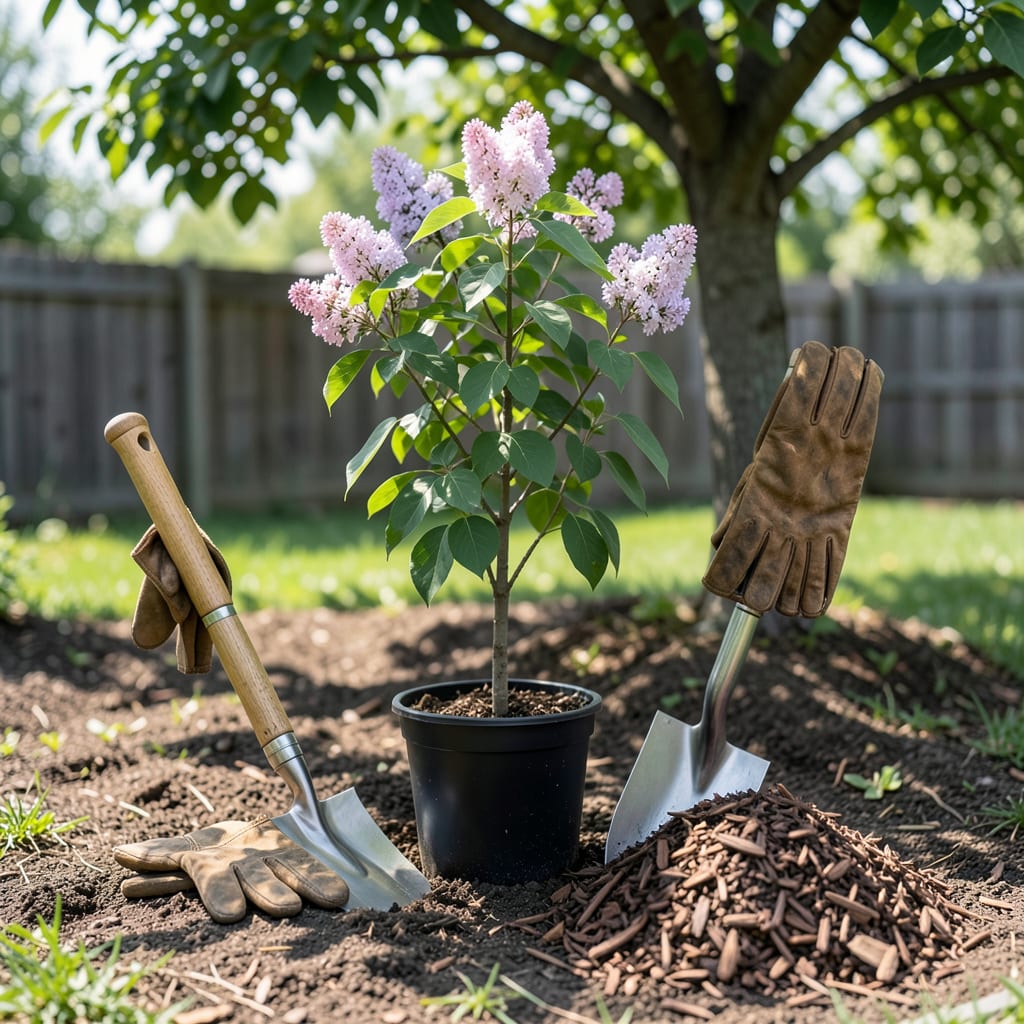
There’s nothing quite like the sight—and scent—of 🌸 lilacs in full bloom. But if you’ve ever planted them only to end up with lackluster growth, timing might be the culprit. Spring planting isn’t just about digging a hole; it’s about giving those roots the perfect head start before summer’s heat kicks in.
Get it right, and you’ll be rewarded with vibrant, fragrant blooms for years. I’ll walk you through the ideal window, why it matters, and how to adjust for your climate. Let’s make this the year your lilacs thrive.
If you’re eager to add lilacs to your garden this spring, timing is everything. The ideal window depends on your USDA zone and soil conditions. For most regions, aim to plant 4–6 weeks before your last frost, when the ground is workable but still cool.
In colder zones (3–5), early spring (March to early April) is best, while warmer zones (6–8) can push planting into late April or early May. The key? Soil temps should be 55–65°F—warm enough for roots to grow but not so hot that the plant gets stressed.
| Zone | Planting Window | Last Frost Date | Soil Temp Goal |
|---|---|---|---|
| 3–4 | Early March–April | May 1–15 | 55°F |
| 5–6 | Mid-March–Mid-April | April 15–30 | 55–60°F |
| 7–8 | Late March–Early May | March 15–April 1 | 60–65°F |
Note: Adjust for microclimates—urban areas may warm faster than rural zones.
For bare-root lilacs, plant as soon as the ground thaws. They need time to establish roots before summer. Container-grown lilacs are more flexible—you can plant them up to late spring, but avoid extreme heat waves.
Why does this timing matter? Lilacs planted too early risk frost damage to tender roots, while late planting leads to heat stress. The sweet spot ensures roots grow steadily without competing with top growth or blooms.
In northern climates (zones 3–5), watch for soil workability. If you can squeeze a handful of soil and it crumbles (not sticks), it’s ready. Southern gardeners (zones 7–8) should prioritize morning planting to avoid midday heat stress on new transplants.
Pro tip: Use a soil thermometer to check temps at 6-inch depth. If it reads 50°F+, you’re safe to plant. Pair this with a well-draining spot (lilacs hate wet feet!) and full sun (6+ hours daily) for best results.
If you miss the spring window, don’t panic—fall planting (September–October) is a great backup. But spring-planted lilacs often bloom a year sooner because they focus on root growth before winter dormancy.
Once planted, mulch with 2–3 inches of shredded bark to retain moisture and regulate soil temp. Water deeply once a week (more in sandy soil) until established. Avoid fertilizing at planting—wait until next spring to feed.
By following these timing guidelines, you’ll set your lilacs up for lush foliage and abundant blooms in just 1–2 years. And trust me, that first whiff of their sweet fragrance will make the wait worthwhile! 🌸
Even with perfect timing, small errors can derail your lilac’s success. I’ve seen gardeners plant with the best intentions, only to watch their shrubs struggle. The good news? Most mistakes are easy to fix—if you know what to look for.
One of the biggest blunders is planting too late in spring. When soil temps climb above 70°F, roots slow down, and the plant focuses on surviving heat instead of establishing. Aim to finish planting by late April in most zones.
Another common issue is wrong soil prep. Lilacs despise wet feet, so if your soil is heavy clay, mix in compost or sand to improve drainage. A quick test: Dig a 12-inch hole, fill with water. If it drains in under 1 hour, you’re good.
Skipping the mulch is a rookie mistake I made early on. Without it, soil temps swing wildly, stressing roots. I now use shredded bark (not rocks!) to keep moisture consistent. Just keep mulch 2 inches away from the stem to prevent rot.
Overwatering is sneaky—it mimics drought stress! Lilacs need 1–2 gallons weekly (more in sandy soil), but let the top 2 inches dry between waterings. Stick your finger in the soil: if it’s damp, wait. If dry, water deeply at the base, not the leaves.
Finally, don’t plant in partial shade hoping for “good enough” blooms. Lilacs demand full sun (6+ hours) to flower well. If your yard is shady, consider dwarf varieties like ‘Bloomerang Purple’, which tolerate a bit less light.
Fix these mistakes, and you’ll see stronger growth and more blooms by next spring. Trust me, your nose will thank you when those fragrant clusters arrive! 🌸
Deciding between spring and fall planting for lilacs can feel like a gamble. I’ve planted in both seasons, and each has its perks. The best choice depends on your climate, the type of lilac you’re planting, and your gardening goals.
Spring planting shines for container-grown lilacs because they’re already established. Their roots can settle in before summer heat. Fall, however, is ideal for bare-root lilacs, giving them months to grow roots before winter dormancy. Let’s break it down.
Best for container lilacs: Spring | Best for bare-root: Fall
If you’re in a cold climate (zones 3–5), fall planting often wins. The cooler temps and autumn rains help roots grow without the stress of summer heat. I’ve seen fall-planted lilacs outperform spring ones in these zones.
For warmer zones (6–8), spring planting can be ideal. The longer growing season lets roots establish before winter. Just avoid planting during heatwaves—aim for early spring or late fall instead.
Here’s my rule of thumb: If you’re planting container lilacs, spring is your best bet. They’ll recover faster with active growth. For bare-root lilacs, fall planting gives roots a head start. Either way, well-draining soil and full sun are non-negotiable.
Still unsure? Ask yourself: Do I want blooms sooner (spring) or less maintenance (fall)? Both seasons work—it’s about matching your garden’s needs and your schedule. Either way, those fragrant blooms will be worth it! 🌸
Planting after late April in most zones risks heat stress on young roots. When soil temps exceed 70°F, roots struggle to establish, leading to weak growth or even plant failure. Aim for early spring when soil is cool but workable.
Yes! Container-grown lilacs have established root systems, so they can handle planting up to late spring. Bare-root lilacs need 6+ weeks before last frost to develop roots, while container plants adapt faster to summer heat.
Test soil readiness by squeezing a handful. If it crumbles easily (not sticky or frozen), it’s plantable. Use a soil thermometer—50°F+ at 6-inch depth is ideal. Avoid working soggy soil; it compacts and harms root growth.
Unlikely, but possible with mature container plants. Most spring-planted lilacs focus on root establishment first. Expect light blooms the second year and full displays by year three. Fall-planted lilacs may take an extra year to bloom.
Planting in partial shade or poorly drained soil. Lilacs demand 6+ hours of sun and hate “wet feet.” Test drainage by digging a 12-inch hole—if water doesn’t drain in 1 hour, amend with compost or sand.
