
Beautiful Plants For Your Interior
Beautiful Plants For Your Interior
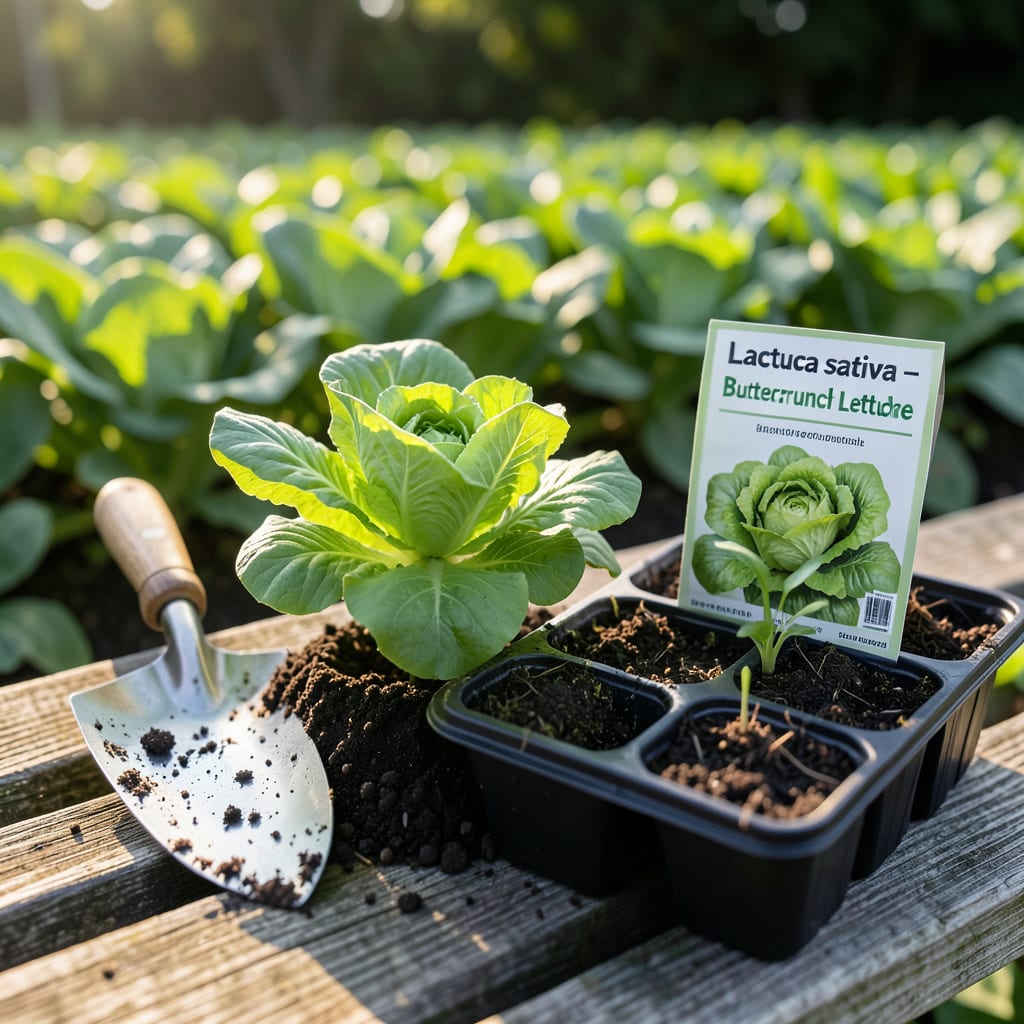
Nothing beats the taste of homegrown crisp lettuce—but in Virginia, timing your planting wrong can mean bitter bolts or frost-damaged leaves. I’ve seen too many gardeners miss their window and end up with sad, wilted greens instead of that perfect harvest.
Here’s the good news: With Virginia’s Zones 7a-8a, you’ve got two prime chances to grow 🥬 lettuce each year. I’ll break down exactly when to plant for spring’s tender leaves and fall’s sweet, cool-weather crops—so you never waste a seed again.
If you’ve ever wondered why your lettuce bolts before you can harvest or struggles to sprout, it’s likely a timing issue. Virginia’s diverse USDA hardiness zones (6a–8a) mean planting dates vary significantly across the state. The key is working with your last spring frost and first fall frost dates.
In coastal areas like Virginia Beach (Zone 8a), you can start lettuce as early as late February, while mountainous regions like Roanoke (Zone 6b) may need to wait until mid-March. I’ll break down the exact windows so you can plant with confidence.
| Zone | Last Spring Frost | Spring Planting | First Fall Frost | Fall Planting |
|---|---|---|---|---|
| 6a | April 15–25 | March 1–15 | October 1–10 | August 1–15 |
| 6b | April 10–20 | March 5–20 | October 10–20 | August 5–20 |
| 7a | April 5–15 | February 25–March 10 | October 20–30 | August 15–30 |
| 7b | April 1–10 | February 20–March 5 | October 25–November 5 | August 20–September 5 |
| 8a | March 15–25 | February 1–15 | November 5–15 | August 25–September 10 |
For spring planting, aim to sow seeds 4–6 weeks before your last frost. This gives seedlings time to mature before summer heat triggers bolting. In Zone 7b (Richmond area), that means starting seeds indoors in late February or direct-sowing in early March.
The fall window is even more critical. Plant 6–8 weeks before your first frost so lettuce matures in cool weather. In Zone 6a (Blacksburg), that’s early August, while Zone 8a (Norfolk) can wait until early September. I recommend varieties like ‘Winter Density’ for fall—it handles light frosts beautifully.
Don’t forget about soil temperature—lettuce seeds germinate best at 40–75°F. Use a soil thermometer to check before planting. If your soil is too cold, seeds may rot; too warm, and they’ll struggle to sprout. A simple row cover can help regulate temperature in early spring or late fall.
Virginia’s microclimates add another layer. Coastal areas stay warmer longer, while mountainous regions cool faster. If you’re in Charlottesville (Zone 7a), your fall planting might be a week earlier than Alexandria (Zone 7b). Always adjust based on your specific location’s frost dates.
For a continuous harvest, try succession planting. Sow a new batch every 2–3 weeks during the spring and fall windows. This ensures you’ll have fresh lettuce ready as older plants are harvested. I like to mark my calendar with reminders so I don’t miss a planting date.
If you’re eager to extend the season, consider cold frames or low tunnels. These can protect lettuce from light frosts, allowing you to plant a few weeks earlier in spring or later in fall. In Zone 8a, you might even overwinter lettuce with proper protection—just be sure to ventilate on sunny days to prevent overheating.
Remember, lettuce is a cool-season crop, so avoid planting in summer unless you’re using shade cloth and heat-tolerant varieties like ‘Jericho’. Even then, expect slower growth and potential bitterness. Stick to spring and fall for the best results in Virginia’s climate.
Virginia gardeners get two prime chances to grow lettuce each year—but spring and fall plantings require completely different strategies. The biggest challenge in spring is avoiding bolting before summer heat arrives, while fall planting focuses on beating the first frost.
Spring lettuce thrives when planted 4–6 weeks before your last frost, giving plants time to mature in cool weather. But if you wait too long, rising temperatures will trigger premature flowering (bolting), turning leaves bitter. In Zone 7b (Richmond), that means sowing by early March for a May harvest.
| Season | Planting Window | Key Challenge | Best Varieties | Harvest Time |
|---|---|---|---|---|
| Spring | Feb 15–Mar 15 (Zones 7a-8a) | Bolting in summer heat | ‘Black Seeded Simpson’, ‘Buttercrunch’ | May–June |
| Fall | Aug 15–Sep 15 (Zones 7a-8a) | Slow growth in cooling temps | ‘Winter Density’, ‘Romaine’ | Oct–Nov |
Fall lettuce often produces sweeter, more tender leaves because cooler temperatures reduce stress. Plant 6–8 weeks before your first frost so heads mature before hard freezes. In Zone 6a (Blacksburg), that means seeding by early August for an October harvest. Fall crops also face fewer pests than spring plantings.
For heat-tolerant varieties, try ‘Jericho’ or ‘Anuenue’—they can handle Virginia’s late-spring warmth. In fall, ‘Winter Density’ and ‘Arctic King’ shrug off light frosts. I always plant a mix to extend my harvest window and hedge against unpredictable weather.
Succession planting is your secret weapon for nonstop lettuce. Sow a new batch every 2–3 weeks during each season’s window. For example, in Zone 7a (Charlottesville), plant March 1, March 20, and April 10 for spring, then August 15 and September 1 for fall.
Don’t overlook soil prep—both seasons need well-draining, nitrogen-rich soil. Work in compost before planting, and consider a light fertilizer boost 3 weeks after germination. In fall, a mulch layer helps retain warmth and moisture as nights cool. I use straw or shredded leaves for this.
If you’re tempted to grow summer lettuce, use 30% shade cloth and plant in partial shade. Even then, expect slower growth. For most Virginia gardeners, sticking to spring and fall plantings yields the best results with minimal fuss. Your taste buds will thank you for the crisp, sweet leaves! 🥬
Even experienced Virginia gardeners can mess up lettuce planting. The most common mistake I see? Planting too late in spring, which guarantees bitter, bolted greens. But there are four other critical errors that can ruin your harvest before it even starts.
Another big one is ignoring soil temperature. Lettuce seeds need 40–75°F to germinate properly. If you plant when soil is too cold (below 40°F), seeds may rot. Too warm (above 80°F), and they’ll refuse to sprout. Always check with a soil thermometer before planting.
Many gardeners also overcrowd their lettuce, thinking more seeds mean more harvest. Wrong! Crowded plants compete for nutrients and airflow, leading to stunted growth and fungal issues. Thin seedlings to 8–12 inches apart for head lettuce, or 6 inches for leaf varieties.
Pest problems catch many Virginia gardeners off guard. Slugs and rabbits can decimate a lettuce patch overnight. I use beer traps for slugs and chicken wire cloches for rabbits. For organic control, sprinkle diatomaceous earth around plants—just reapply after rain.
Finally, don’t skip shade cloth for late spring or early fall plantings. Even heat-tolerant varieties like ‘Jericho’ benefit from afternoon shade when temperatures climb above 75°F. A simple 30% shade cloth can extend your harvest by weeks.
Remember, lettuce grows fast—most varieties mature in 30–50 days. Check your plants daily once they near harvest size. The perfect time to pick is when leaves are 4–6 inches long but before the central stem starts elongating (a sign of bolting). 🥬
It’s risky but possible with precautions. Virginia summers often exceed 80°F, causing lettuce to bolt. Use 30% shade cloth and plant heat-tolerant varieties like ‘Jericho’. Morning sun with afternoon shade works best.
Check the USDA Plant Hardiness Zone Map—Virginia ranges from 6a to 8a. Enter your ZIP code on the USDA website or use Virginia Cooperative Extension’s tool. Coastal areas (like Norfolk) are typically 8a, while mountains (like Roanoke) are 6b-7a.
Start with ‘Black Seeded Simpson’—it’s fast-growing (ready in 45 days), heat-tolerant, and easy to harvest as a cut-and-come-again. For fall, ‘Winter Density’ handles light frosts well. Both thrive in Virginia’s spring/fall conditions.
Bitterness usually means the plant bolted due to heat stress or maturity. In Virginia, this happens if planted too late in spring (after May 1 in most zones) or if summer temperatures spike. Harvest leaves when 4–6 inches tall and before the central stem elongates.
Use containers at least 6 inches deep with drainage holes. Fill with potting mix (not garden soil) and place where they’ll get 4–6 hours of morning sun. Water every 2–3 days—pots dry out faster than ground soil. Perfect for urban gardeners!
