
Beautiful Plants For Your Interior
Beautiful Plants For Your Interior
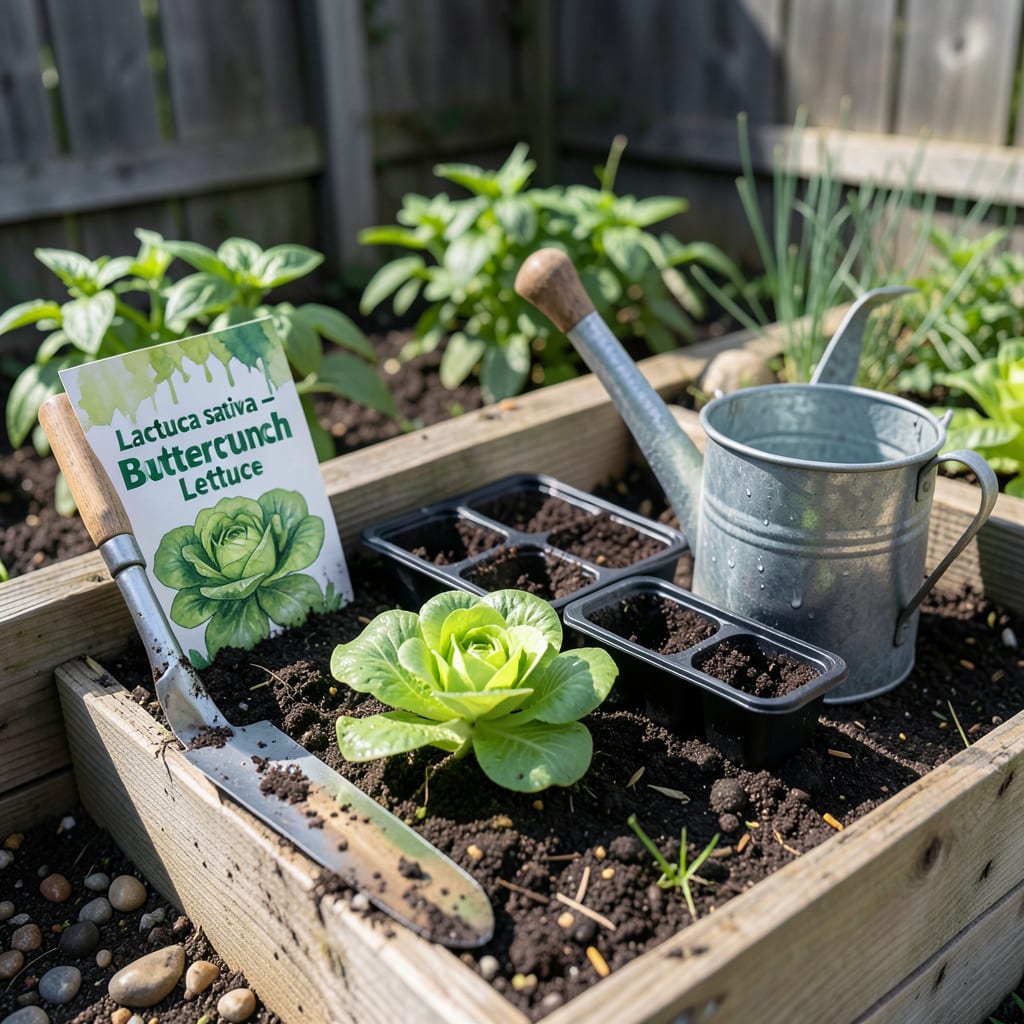
There’s nothing quite like biting into a crisp, homegrown 🥬 lettuce leaf—but timing is everything in Tennessee’s finicky climate. Plant too soon, and a late frost could ruin your crop. Wait too long, and summer’s scorching heat turns those tender leaves bitter before you can even say “salad.”
I’ve spent years perfecting the art of growing lettuce here in Zone 7a, and the secret lies in nailing those sweet-spot planting windows. Whether you’re in Memphis or the Smokies, I’ll show you exactly when to sow for perfect harvests—spring and fall—so you’re never left with wilted greens or empty garden beds.
If you’ve ever watched your lettuce bolt overnight in Tennessee’s summer heat, you know timing is everything. Our state’s three distinct regions—West, Middle, and East—each have microclimates that shift planting windows by 2-3 weeks. I’ll break down the exact months to sow for spring and fall harvests.
First, check your last frost date: it ranges from March 15 in Memphis to April 15 in the Smokies. Lettuce thrives in 45–65°F soil, so we’ll work backward from those dates. Pro tip: Use a soil thermometer—don’t guess! 🌡️
| Region | Spring Planting | Fall Planting | Last Frost | First Frost |
|---|---|---|---|---|
| West TN (Memphis) | Feb 1–Mar 1 | Aug 15–Sep 1 | Mar 15 | Nov 15 |
| Middle TN (Nashville) | Feb 15–Mar 15 | Aug 20–Sep 10 | Apr 1 | Oct 15 |
| East TN (Knoxville) | Mar 1–Mar 30 | Aug 25–Sep 15 | Apr 15 | Oct 10 |
💡 Succession tip: Sow new seeds every 10–14 days until mid-April for continuous spring harvests.
For spring planting, aim to sow 4–6 weeks before your last frost. In West TN, that means early February starts under row covers. Middle TN gardeners should wait until mid-February, while East TN’s higher elevation pushes planting to early March. Always harden off seedlings before transplanting!
Fall lettuce is where Tennessee gardeners shine. The key is counting backward from your first frost date. Sow seeds 8–10 weeks before that date so plants mature in cooler weather. I’ve found ‘Jericho’ romaine and ‘Winter Density’ perform best in fall—they handle light frosts like champs.
Don’t overlook microclimates! Urban areas like Nashville stay 5–10°F warmer than rural spots, letting you plant 7–10 days earlier in spring. Conversely, mountain valleys in East TN can dip below 40°F in September—adjust fall plantings accordingly. A low tunnel extends seasons by 3–4 weeks.
Soil prep matters too. Lettuce craves loose, moisture-retentive soil with a pH of 6.0–6.8. Work in 2–3 inches of compost before planting, and avoid fresh manure—it’ll burn tender roots. I swear by worm castings for that extra boost without risking nutrient overload.
Spacing is critical for airflow (and preventing fungal issues in our humid summers). Direct-sow seeds ¼ inch deep, 1 inch apart, then thin to 8–12 inches for head varieties or 6 inches for leaf lettuce. Crowded plants bolt faster—trust me, I’ve learned the hard way!
Want to squeeze in a second spring crop? Try this trick: After harvesting early lettuce, immediately sow heat-tolerant varieties like ‘Magenta’ or ‘Anuenue’ in partial shade. They’ll hold until temps hit 80°F. Pair with a 30% shade cloth for best results.
Remember, Tennessee’s 180-day frost-free window is a lettuce lover’s dream—but only if you time it right. Mark these dates on your calendar, set phone reminders, and don’t let a late frost or early heat wave catch you off guard. Your salad bowl will thank you! 🥬
Tennessee’s wild temperature swings can turn your lettuce patch from lush to limp overnight. One week you’re battling late frosts, the next you’re shielding tender leaves from 90°F scorchers. After ruining more than a few crops, I’ve learned the hard way: season extension isn’t optional here—it’s essential.
The biggest mistake I see? Gardeners assuming “cool-season crop” means “no protection needed.” Even cold-hardy lettuce like ‘Winter Density’ can succumb to Tennessee’s humidity + heat combos. The fix? A two-pronged approach: shade for summer and warmth for spring/fall. Let’s break it down.
When temps hit 80°F+, lettuce bolts within 48 hours. Watch for:
Emergency fix: Move pots to full shade + drape with wet burlap until temps drop.
For spring cold snaps, floating row covers are my secret weapon. Drape them over hoops or directly on seedlings (remove during sunny days to prevent overheating). I use 1.5 oz fabric—light enough for airflow but heavy enough to block 28°F frosts. Secure edges with sandbags or earth staples to prevent wind damage.
When summer heat rolls in, switch to 50% shade cloth (never black—it traps heat!). Install it 12–18 inches above plants to allow airflow. My go-to setup: PVC pipes bent into arches, covered with shade cloth, then anchored with rebar stakes. Water before 9 AM to reduce evaporation stress.
Variety selection makes or breaks your season. For spring planting, choose slow-bolting types like ‘Buttercrunch’ or ‘Oakleaf’. In fall, prioritize cold-tolerant romaines such as ‘Parris Island’ or ‘Rouge d’Hiver’. I’ve had ‘Jericho’ survive 22°F under row covers—perfect for East TN’s early frosts.
Avoid the overwatering trap—our humidity fools gardeners into thinking plants need more H₂O. Lettuce needs consistent moisture, not soggy soil. Stick your finger 1 inch deep: if it’s damp, wait. Use drip irrigation on timers to prevent fungal issues. Mulch with straw (not hay) to keep roots cool and reduce watering by 30%.
Here’s my Tennessee lettuce survival
Not all lettuce is created equal when it comes to Tennessee’s rollercoaster weather. After testing dozens of varieties in my Middle TN garden, I’ve narrowed it down to the top 5 performers that laugh at our humidity, shrug off late frosts, and refuse to bolt at the first hint of summer.
My selection criteria? Bolt resistance comes first—because nothing’s worse than watching your lettuce shoot up flowers overnight. Then I prioritize flavor (no bitter leaves here!), ease of growth, and adaptability to our clay-heavy soils. Here’s the cream of the crop:
For spring planting, I always lead with ‘Jericho’ romaine—it’s the only variety I’ve seen survive April heatwaves without bolting. Pair it with ‘Buttercrunch’ for a texture contrast in salads. Both handle our humid springs better than most, resisting the fungal issues that plague other varieties.
When fall rolls around, ‘Winter Density’ becomes my go-to. This romaine laughs at Tennessee’s early frosts and actually gets sweeter after light freezes. I sow it in late August for October harvests, then cover with row fabric to extend into November. For leaf lettuce lovers, ‘Oakleaf’ is unbeatable—just snip outer leaves and it keeps producing.
Want color and heat tolerance? ‘Magenta’ is your best bet for late spring/early summer plantings. Its deep purple veins add drama to plates, and it holds up in temps up to 85°F with afternoon shade. I tuck it under my tomato trellises for natural shade as summer approaches. Just keep the soil moist—it’s thirstier than green varieties!
Remember, even the best varieties need proper spacing to thrive. Give romaines 10–12 inches, butterheads 8 inches, and leaf lettuce 6 inches. Crowding stresses plants and triggers early bolting. And always succession plant—sow a new batch every 2 weeks until mid-April for nonstop harvests. Your salad bowl will stay full from March through November! 🌿
In most of Tennessee, stop sowing by mid-April for spring crops. West TN gardeners can push to late April with shade cloth, while East TN’s cooler climate allows planting until early May. Use heat-tolerant varieties like ‘Magenta’ if planting late.
It’s risky but possible with 50% shade cloth and heat-resistant varieties like ‘Jericho’. Keep soil consistently moist and harvest leaves young. Even then, expect slower growth—summer lettuce is best grown in partial shade (under taller plants) or containers moved to cooler spots.
Leaf lettuce is ready when leaves reach 4–6 inches. For head types, wait until the center feels firm but slightly springy when pressed. Harvest in the morning for crispest leaves, and use clean scissors to avoid bruising.
Bitterness usually comes from stress—either drought, heat spikes, or over-maturity. In fall, sudden warm spells can trigger it. Solution: Keep soil evenly moist, harvest younger leaves, and choose sweet varieties like ‘Buttercrunch’. A light frost can actually improve flavor!
Containers warm up faster than ground soil, so plant 7–10 days earlier in spring. Use light-colored pots to reflect heat, and move them to shade when temps exceed 80°F. Fall container plantings can extend 2 weeks later than in-ground crops.
