
Beautiful Plants For Your Interior
Beautiful Plants For Your Interior
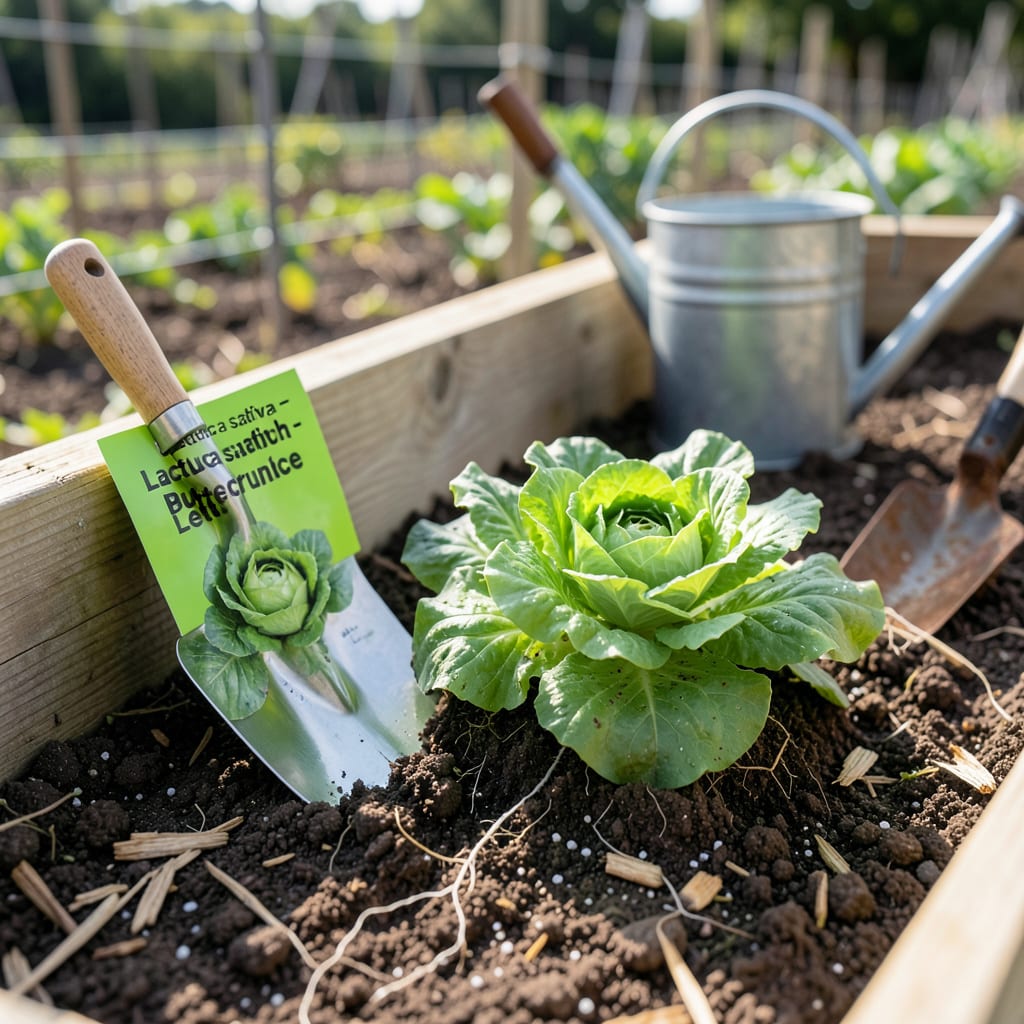
Timing can make or break your 🥬 lettuce harvest in Pennsylvania. Plant too early, and unexpected frost might wipe out your tender seedlings. Wait too long, and that summer heat will turn your crisp leaves bitter before you can say “salad time.”
After years of testing different approaches in my own garden, I’ve nailed down the perfect windows for both spring and fall plantings—tailored to PA’s unpredictable climate. Whether you’re in Zone 5 or 7, I’ll show you exactly how to time it for bigger, sweeter harvests without the guesswork.
Pennsylvania’s climate can be tricky for lettuce, but I’ve found the sweet spot is all about working with our USDA Zones 5-7. The key? Aim for soil temps between 40-65°F—cool enough to prevent bolting but warm enough for germination. In my experience, spring planting works best 2-4 weeks before the last frost.
For fall lettuce, timing is even more critical. You’ll want to plant 6-8 weeks before the first frost so plants mature in cool weather. I’ve had great success with late summer sowings in Zone 6, but Zone 5 gardeners need to start a bit earlier. Let’s break it down by region.
| Region | Spring Planting | Fall Planting | Notes |
|---|---|---|---|
| Southeast PA (Zone 7) | March 15 – April 15 | Aug 15 – Sept 1 | Earliest planting window in PA |
| Central PA (Zone 6) | April 1 – April 30 | Aug 1 – Aug 20 | Watch for late spring frosts |
| Northwest PA (Zone 5) | April 15 – May 1 | July 20 – Aug 10 | Shortest growing season |
I always check the Penn State Extension frost date tool for hyper-local accuracy. Remember, urban areas (like Philly) often have warmer microclimates than rural spots. If you’re gardening in the city, you might squeeze in an extra week on either end of these windows.
For spring planting, I recommend starting seeds indoors 4-6 weeks before transplanting. This gives you a head start, especially in cooler zones. Just be sure to harden off your seedlings for a week before moving them outside—PA springs can be unpredictable!
Fall lettuce is my personal favorite because the cooler temps make the leaves extra sweet. The trick is getting the timing right so plants mature before hard frosts hit. I’ve had great luck with ‘Winter Density’ and ‘Arctic King’ varieties that tolerate light frosts.
If you’re in Zone 5, consider using row covers or cold frames to extend your fall season. Even a simple hoop tunnel can give you an extra 2-3 weeks of harvest time. I’ve kept lettuce growing into November with just a little protection!
Don’t forget about succession planting! For a continuous harvest, I sow new seeds every 2-3 weeks until about 6 weeks before the first frost. This staggering technique means I’m never overwhelmed with too much lettuce at once—and I avoid those sad gaps in my salad bowl.
One thing I’ve learned the hard way: lettuce hates hot soil. If you’re planting in late summer for fall harvest, try shading the soil with mulch or even a light fabric until seeds germinate. This keeps the soil cool and moist, which is exactly what lettuce seeds need to sprout.
Finally, always test your soil before planting. Lettuce thrives in well-draining soil with a pH of 6.0-6.8. I mix in plenty of compost before planting—it helps retain moisture while preventing waterlogging, which can rot your seeds before they even sprout. 🌱
If you think Pennsylvania’s lettuce season is short, I’ve got great news: with the right techniques, you can enjoy fresh greens from early spring through late fall. The secret? Succession planting and smart variety selection. I’ve stretched my harvest to 6+ months using these methods.
Start by choosing fast-maturing varieties like ‘Black Seeded Simpson’ (45 days) for quick turnarounds. For summer plantings, heat-tolerant types like ‘Jericho’ or ‘Anuenue’ resist bolting when temps climb. My personal favorite for fall? ‘Winter Density’—it handles light frosts beautifully.
For spring extensions, I start seeds indoors 6-8 weeks before transplanting. This gives me mature plants ready to go outside as soon as soil reaches 40°F. Just
The summer gap is the trickiest part. I combat this by planting heat-resistant varieties in partially shaded spots. A simple DIY shade tunnel made from PVC and shade cloth can drop soil temps by 10°F, making all the difference for germination.
Fall is where Pennsylvania gardeners really shine. By planting in late July through August, your lettuce matures in crisp autumn weather. I’ve harvested sweet, tender leaves as late as November using floating row covers on cold nights. The flavor improves with each frost!
Don’t overlook container gardening for season extension. Potted lettuce can be moved to sheltered spots during extreme weather. I keep a few pots near my south-facing wall—it absorbs heat during the day and radiates warmth at night, creating a microclimate that’s perfect for lettuce. 🪴
Even experienced gardeners can stumble when growing lettuce in Pennsylvania. I’ve made my fair share of mistakes over the years, but each one taught me valuable lessons. The biggest culprit? Ignoring our state’s humid summers and unpredictable frosts. Let’s tackle these before they wreck your harvest.
First up: soil pH. Lettuce prefers a slightly acidic to neutral range of 6.0-6.8. I once planted in untested soil that turned out to be too alkaline, and my lettuce struggled with stunted growth and yellowing leaves. A simple $10 test kit would’ve saved me that whole season!
Another common error is overcrowding seeds. It’s tempting to scatter them thickly, but you’ll pay for it later. I thin my lettuce to 8-12 inches apart once true leaves appear. This spacing might seem generous, but it allows for better air circulation, which is crucial in our humid climate to prevent fungal diseases.
The bolting battle is real in Pennsylvania. When lettuce sends up a flower stalk, the leaves turn bitter. I combat this by planting in partial shade during summer and choosing slow-bolting varieties like ‘Buttercrunch’ or ‘Romaine’. If you see that central stalk forming, harvest immediately—those leaves won’t get any sweeter!
Don’t underestimate pest pressure in PA gardens. Slugs love our damp conditions, and aphids thrive in our summers. I use beer traps for slugs and neem oil sprays for aphids. For organic control, try planting nasturtiums nearby—they act as a trap crop for pests while adding beauty to your garden. 🌿
For fall harvests, plant 6-8 weeks before your first expected frost. In Zone 5, aim for late July; Zone 6 can plant until early August. Use cold-hardy varieties like ‘Winter Density’ for best results.
Yes, but choose heat-tolerant varieties like ‘Jericho’ or ‘Anuenue’. Plant in partial shade (3-4 hours of morning sun) and use shade cloth if temps exceed 80°F. Consistent watering helps too.
Begin seeds indoors 4-6 weeks before your last frost date. Use a heat mat to maintain soil temps at 60-65°F for faster germination. Transplant outdoors when soil reaches 40°F and seedlings have 4 true leaves.
Bitterness comes from heat stress and bolting. Prevent this by planting in cooler seasons, using shade, and harvesting leaves young. Try butterhead varieties—they stay sweeter longer in warm weather.
Use floating row covers or cold frames when nights dip below 32°F. These can extend your harvest by 2-4 weeks. For extra protection, add a thick mulch layer around plants.
