
Beautiful Plants For Your Interior
Beautiful Plants For Your Interior
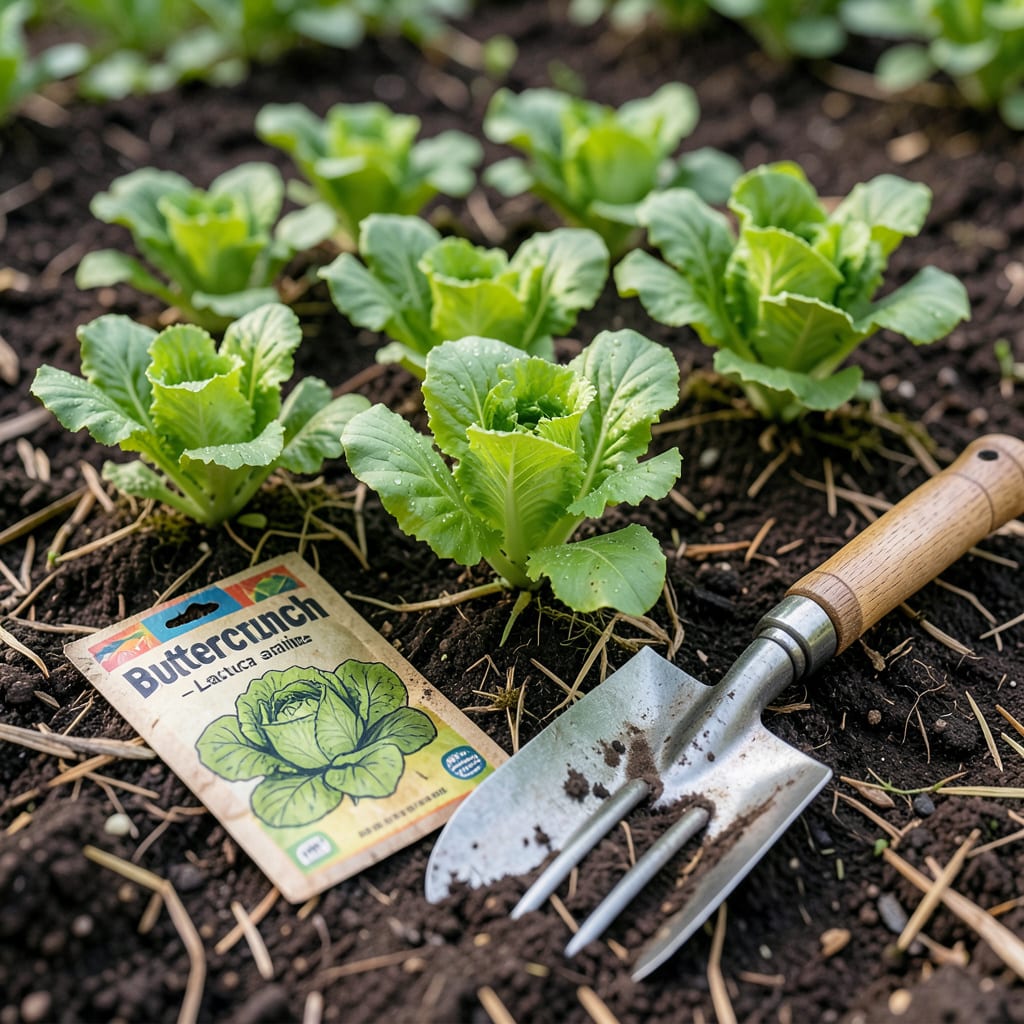
Timing can make or break your 🥬 lettuce crop in Ohio’s finicky climate. Plant too soon, and late frosts might wipe out your seedlings. Wait too long, and summer’s heat could turn those tender leaves bitter before you even get to harvest.
After years of testing different approaches in my own garden, I’ve nailed down the perfect windows for both spring and fall plantings. Whether you’re in Cleveland or Cincinnati, I’ll show you exactly when to get those seeds in the ground for crisp, flavorful lettuce all season long.
Ohio’s climate gives us two prime windows for lettuce: early spring and late summer/fall. The key is working around our last spring frost (typically April 15–May 15) and first fall frost (around October 1–15). I’ve found soil temperature matters more than calendar dates.
For spring planting, aim for soil temps of 40–50°F. In southern Ohio (Zones 6–7), that’s often late March. Up north (Zones 5–6), wait until early April. Fall plantings need to mature before hard frosts, so count backward from your first frost date.
| Season | Region | Planting Window | Soil Temp |
|---|---|---|---|
| Early Spring | Southern Ohio | Late March–early April | 40–50°F |
| Early Spring | Northern Ohio | Early–mid April | 40–50°F |
| Late Summer | Statewide | Late July–early August | 50–60°F |
| Early Fall | Statewide | Mid–late August | 50–65°F |
*Based on Ohio State University Extension guidelines
For spring lettuce, I always start seeds indoors 4–6 weeks before transplanting. This gives me a head start while avoiding late frosts. Direct sowing works too, but you’ll need to thin seedlings to 6–8 inches apart once they sprout.
Fall plantings are trickier. The goal is to have plants mature before hard frosts (below 28°F). I count backward from my first frost date: 45–60 days for leaf lettuce, 60–75 days for head types like romaine. Shade cloth helps if summer heat lingers into September.
Soil prep matters just as much as timing. Lettuce thrives in loose, well-draining soil with plenty of organic matter. I mix in compost before planting and maintain consistent moisture. A pH of 6.0–6.8 is ideal—test your soil if you’ve had issues before.
Pro tip: Use row covers in early spring to protect young plants from unexpected cold snaps. They also help prevent flea beetles, which love tender lettuce leaves. Remove covers once temperatures consistently exceed 75°F to avoid overheating.
For succession planting, I sow new seeds every 2–3 weeks until late May. This staggers harvests and prevents gluts. Stop planting by June 1—summer heat causes bolting, making leaves bitter. Resume in late July for fall crops.
Variety selection impacts timing too. ‘Winter Density’ handles cold better for early spring, while ‘Jericho’ resists bolting for summer plantings. Check seed packets for days to maturity and match them to your frost dates.
Remember: Lettuce seeds need light to germinate. Don’t bury them—just press into moist soil and keep the surface damp. I use a fine mist sprayer to avoid displacing seeds. Germination typically takes 7–14 days at 50–65°F.
Ohio’s short spring and unpredictable falls make timing crucial for lettuce success. But with a few smart techniques, I’ve learned to stretch my harvest from early April through November. The secret? Working with Ohio’s climate instead of against it.
My go-to strategy is succession planting—sowing small batches every 2–3 weeks rather than all at once. This prevents overwhelming gluts and ensures fresh greens as older plants bolt. I stop spring plantings by June 1 to avoid summer heat, then resume in late July for fall crops.
For spring extensions, I start seeds indoors under lights in late February. This gives me 4–6 week old transplants ready to harden off by early April. Use peat pots to minimize transplant shock—they can go straight into the garden.
Summer lettuce is tricky but doable. The key is location, location, location. I plant my summer crop on the east side of taller plants (like corn or sunflowers) for afternoon shade. Container gardening works too—move pots to shadier spots as temperatures climb above 75°F.
Fall is my favorite season for lettuce. I plant fast-maturing varieties like ‘Salad Bowl’ (45 days) in mid-August. These reach harvest size before hard frosts hit. For extra protection, I cover late fall plantings with floating row covers—they trap heat while allowing light and water through.
Don’t forget about winter harvests! Cold-hardy lettuces like ‘Winter Density’ can survive under low tunnels or cold frames until December in southern Ohio. In northern zones, focus on fall protection—harvest before Thanksgiving to avoid prolonged freezes.
Watering consistency makes or breaks extended seasons. Lettuce needs even moisture—never soggy, never bone dry. I use drip irrigation on a timer for summer crops to prevent wilting. In fall, water in the morning to allow foliage to dry before cooler nights.
Finally, watch for pest pressure in extended seasons. Slugs love moist fall conditions, while aphids thrive in spring. I apply diatomaceous earth around plants and use yellow sticky traps for early pest detection. Healthy soil with plenty of compost helps plants resist diseases too.
Not all lettuces thrive equally in Ohio’s climate. After testing dozens of varieties, I’ve found the best performers for our spring chill and fall frosts. The right choice can mean 2–3 extra weeks of harvest before bolting or freezing.
For early spring, I rely on cold-hardy varieties that germinate in cool soil. ‘Winter Density’ (romaine) and ‘Arctic King’ (butterhead) survive light frosts and grow well in 45–55°F conditions. These reach harvest in 55–60 days.
Summer lettuce requires heat-tolerant varieties. ‘Jericho’ (romaine) and ‘Magenta’ (red leaf) handle 80°F+ without bolting quickly. Their deeper roots access moisture better during dry spells. Both mature in 50–58 days.
For fall plantings, I choose fast-growing varieties like ‘Salad Bowl’ (45 days) or ‘Tango’ (50 days). These mature before hard frosts hit. ‘Rouge d’Hiver’ actually gets sweeter after light frosts—perfect for late harvests.
Leaf lettuces generally mature faster (45–55 days) than head types (60–75 days). For continuous harvests, I mix cut-and-come-again varieties like ‘Oakleaf’ with heading types. This gives me both quick salads and storage-friendly heads.
Pro tip: Check seed packets for “days to maturity” and match them to your frost dates. In southern Ohio, I can push late fall plantings of ‘Winter Density’ under row covers. Northern gardeners should stick to 45-day varieties planted by mid-August.
Use floating row covers or cloches to shield young plants when nighttime temperatures drop below 32°F. These covers trap heat while allowing light and water through. Remove them during the day if temperatures exceed 75°F to prevent overheating.
Yes, but choose heat-tolerant varieties like ‘Jericho’ or ‘Magenta’. Plant in partial shade (4-6 hours of morning sun) and use 30% shade cloth to protect from intense afternoon heat. Keep soil consistently moist to prevent bolting.
For southern Ohio (Zone 6), plant by mid-September using fast-maturing varieties like ‘Salad Bowl’ (45 days). In northern Ohio (Zone 5), aim for late August plantings. Use row covers to extend harvest into November.
Plant bolt-resistant varieties and maintain even soil moisture. Use succession planting every 2-3 weeks to ensure fresh harvests before older plants bolt. Stop planting by June 1 to avoid summer heat triggers.
It’s optional but helpful for early spring harvests. Start seeds indoors 4-6 weeks before last frost under grow lights. Transplant outdoors when soil reaches 45°F. Direct sowing works too, but indoor starts give a head start.
