
Beautiful Plants For Your Interior
Beautiful Plants For Your Interior
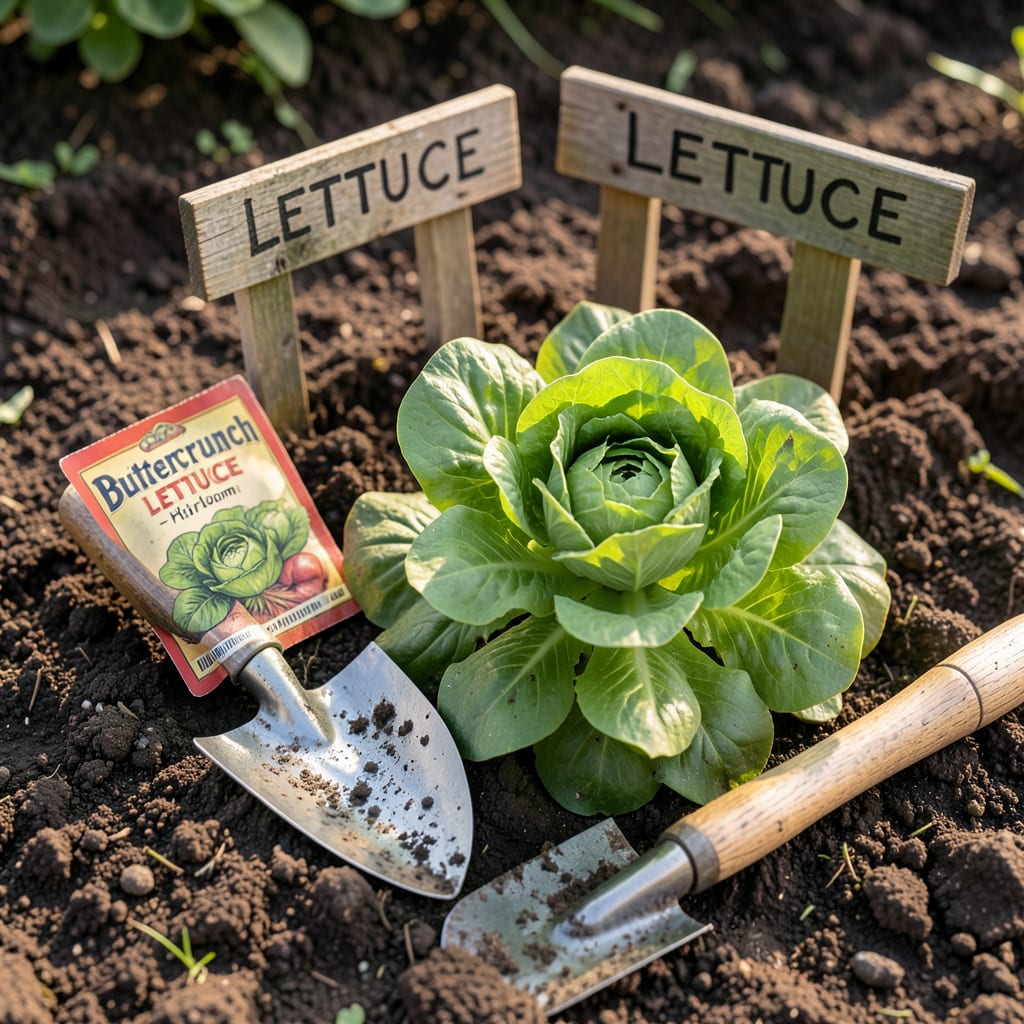
Timing your 🥬 lettuce planting in Michigan can mean the difference between crisp, sweet leaves and a bolted, bitter mess. Our unpredictable springs and early heat waves make nailing those planting windows absolutely critical—but don’t worry, I’ve got the zone-specific secrets to help you succeed.
Whether you’re in Traverse City or Detroit, I’ll break down exactly when to sow those seeds for spring and fall harvests. You’ll also discover which varieties thrive in our 5b-6b climate and how to protect your crop from Michigan’s infamous weather mood swings. Let’s get growing!
If you’ve ever wondered why your lettuce bolts before you can harvest or struggles to germinate, it often comes down to timing and temperature. Michigan’s climate varies dramatically from the Upper Peninsula (Zone 4) to the Lower Peninsula (Zones 5-6), so your planting dates must adjust accordingly.
I always recommend starting with your last frost date—this is your golden rule for spring planting. In southern Michigan (Zone 6), that’s typically around May 10, while the Upper Peninsula (Zone 4) might not see its last frost until June 1. For fall crops, count backward from your first frost date.
| Zone | Spring Planting | Fall Planting | Notes |
|---|---|---|---|
| Zone 4 (Upper Peninsula) |
Late May–June 1 (after last frost) |
Mid-August–Sept 1 (6-8 weeks before frost) |
Use row covers for early spring starts. Opt for cold-hardy varieties like ‘Winter Density’. |
| Zone 5 (Northern Lower) |
Mid-April–May 10 (4-6 weeks before frost) |
Late August–Sept 15 (8 weeks before frost) |
Start seeds indoors in March for earlier harvests. Succession plant every 2 weeks. |
| Zone 6 (Southern Lower) |
Early April–April 15 (direct sow or transplant) |
Sept 1–Sept 30 (protect from heat) |
Use shade cloth for late summer plantings. Try heat-tolerant varieties like ‘Jericho’. |
For spring lettuce, aim to plant when soil temps reach 40°F—this is usually 2-3 weeks before your last frost date. Lettuce seeds won’t germinate well in cold soil, so I often use a cloche or cold frame to warm the ground early.
If you’re planting in fall, timing is even more critical. You want mature plants before the first frost, but not so early that they bolt in late summer heat. I’ve found that sowing seeds in late August (Zone 6) or early September (Zone 4) works best.
Don’t forget about succession planting! Lettuce grows quickly—most varieties are ready in 30-50 days. I plant a new batch every 10-14 days for a continuous supply. This is especially useful in spring when temperatures are still fluctuating.
For Zone 4 gardeners, your season is shorter, so focus on fast-maturing varieties like ‘Black Seeded Simpson’ (45 days) or ‘Buttercrunch’ (50 days). In Zones 5-6, you can experiment with slower-growing types like ‘Romaine’ (70 days) for fall harvests.
Watch the weather forecasts closely in early spring. If a late frost is predicted after you’ve planted, cover your lettuce with frost blankets or even an old bedsheet. Lettuce can handle light frosts, but hard freezes (below 28°F) will damage tender leaves.
In summer, lettuce struggles with Michigan’s heat and humidity. If you must plant during this time, choose shaded spots (like under taller plants) and keep the soil consistently moist. I’ve had success with ‘Oakleaf’ and ‘Summer Crisp’ varieties in partial shade.
Finally, soil prep matters just as much as timing. Lettuce thrives in loose, well-draining soil rich in organic matter. Before planting, I mix in 2-3 inches of compost and ensure the pH is between 6.0-6.8. This gives seeds the best start, whether you’re direct sowing or transplanting.
By following these zone-specific guidelines, you’ll avoid the two biggest lettuce pitfalls: bolting (from heat) and poor germination (from cold). Trust me, nothing beats the taste of homegrown lettuce picked at its peak! 🌱
Michigan’s weather can be a lettuce grower’s worst enemy—late spring frosts, summer heatwaves, and unpredictable rainfall all conspire against tender greens. But with these battle-tested tips, I’ve turned my garden into a lettuce powerhouse year after year. Let’s tackle the biggest challenges head-on.
First, protect early plantings from Michigan’s notorious late frosts. Even after your last frost date, cold snaps can sneak in. I use floating row covers or mini hoop tunnels to shield young plants. These let in light and water while adding 5-10°F of warmth, which can be a game-changer in April.
For summer lettuce, shade is non-negotiable. I plant my late-summer crop under taller plants like tomatoes or use shade cloth to block intense afternoon sun. Lettuce bolts when temps hit 80°F+, so aim for morning sun only in July and August. ‘Jericho’ romaine and ‘Magenta’ are my go-to heat-tolerant varieties.
Soil moisture is another make-or-break factor. Michigan’s sandy soils drain fast, while clay-heavy areas hold too much water. I amend my beds with 2 inches of compost and 1 inch of worm castings to improve retention. A drip irrigation system on a timer keeps moisture consistent—lettuce needs 1 inch of water weekly, but never soggy roots.
Don’t overlook succession planting for a steady supply. I sow new seeds every 10-14 days from early April through September. This staggers harvests and ensures I’m not overwhelmed with lettuce all at once. For fall crops, I count backward from my first frost date (October 10 in Zone 6) and add 2 weeks as a buffer for slower growth in cooling temps.
Finally, pest management is simpler than you think. Slugs and rabbits love lettuce as much as we do! I surround my beds with copper tape (for slugs) and chicken wire (for rabbits). A sprinkle of diatomaceous earth deters soft-bodied pests without chemicals. For aphids, a sharp blast from the hose usually does the trick.
By combining these strategies—protection from extremes, smart variety selection, and consistent care—you’ll outsmart Michigan’s mood swings. The reward? Crisp, sweet lettuce from your garden spring through fall, with minimal fuss. Now go get growing! 🌿
Not all lettuce is created equal when it comes to Michigan’s rollercoaster climate. I’ve tested dozens of varieties over the years, and the winners always share one trait: they’re perfectly matched to our short springs, hot summers, or cool falls. Here’s my battle-tested shortlist.
For early spring (when frosts still lurk), you need cold-hardy champions. My top picks are ‘Winter Density’ (a romaine that laughs at 20°F temps) and ‘Arctic King’, which stays sweet even after light frosts. Both germinate in cool soil (down to 40°F) and mature in just 45-50 days.
When summer heat hits, most lettuce throws in the towel—but not these heat-tolerant varieties. ‘Jericho’ romaine is my secret weapon; it stays crisp even when temps hit 85°F. For color, ‘Magenta’ adds purple flair while resisting bolting. Both need afternoon shade and extra water in July.
For fall planting, I love ‘Red Sails’ (a frilly leaf lettuce that sweetens with frost) and ‘Oakleaf’, which handles temperature swings like a pro. These varieties mature in 40-50 days, perfect for squeezing in before winter. Pro tip: Sow them by September 1 in Zone 6 to beat the first frost.
If you’re short on space, ‘Salad Bowl’ (a cut-and-come-again green) and ‘Tom Thumb’ (a tiny butterhead) thrive in containers. Both tolerate Michigan’s humidity and recover quickly from harvest. For disease resistance, ‘Nevada’ (a crisphead) fights off mildew common in our damp springs.
Remember: Variety selection is your first defense against Michigan’s mood swings. Pair these picks with the planting windows from earlier, and you’ll harvest crisp, sweet lettuce from April through November. Now grab those seed packets and get planting! 🌿
Start seeds 4-6 weeks before your last frost date (around March 1 for Zone 6). Use a sunny windowsill or grow lights, and transplant outdoors when seedlings have 3-4 true leaves. This gives you a head start on spring harvests.
Bolting happens when temps exceed 80°F or daylight stretches beyond 12 hours. To prevent it, plant heat-tolerant varieties like ‘Jericho’ and use 30-50% shade cloth. Keep soil moist—dry roots trigger bolting faster than heat alone.
Count backward from your first frost date (October 10 for Zone 6). Sow seeds 8-10 weeks prior (late August) so plants mature before cold sets in. In Zone 4, aim for early August plantings. Use row covers to extend the season.
Cover plants with floating row covers or cloches when temps dip below 32°F. For overnight frosts, drape old bedsheets over hoops—remove them by 10 AM to prevent overheating. Cold-hardy varieties like ‘Winter Density’ survive light frosts unprotected.
Yes! Use 6-8 inch deep containers with drainage holes. Fill with potting mix + compost, and place in morning sun (east-facing). Water every 3-5 days—pots dry out faster. Try compact varieties like ‘Tom Thumb’ or ‘Salad Bowl’ for best results.
