
Beautiful Plants For Your Interior
Beautiful Plants For Your Interior
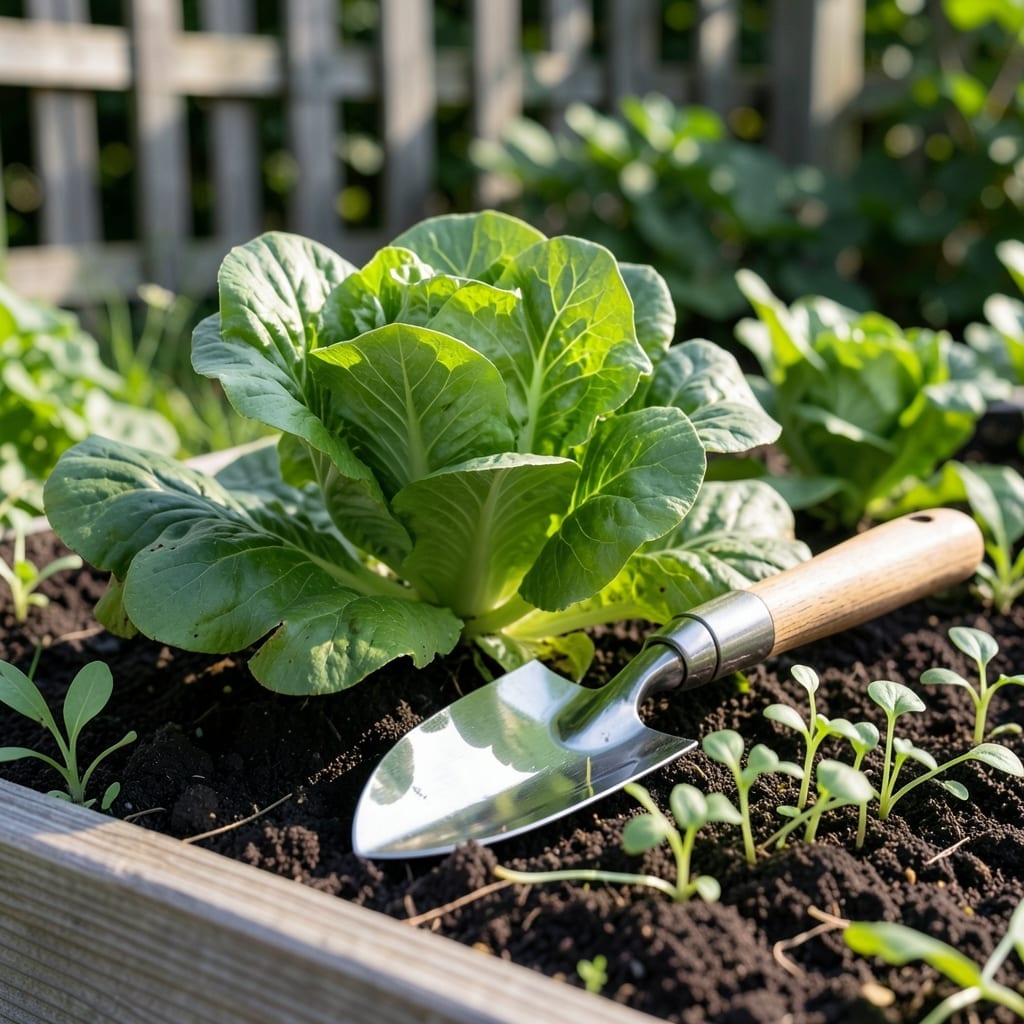
Timing is everything when planting Lettuce in Maine’s unpredictable climate. Get it right, and you’ll enjoy crisp, fresh greens from spring through fall.
The secret lies in understanding Maine’s Zone 5a conditions. I’ve learned that planting too early or too late can leave you with bitter leaves or stunted growth.
Whether you’re a seasoned gardener or just starting out, knowing the perfect windows for spring and fall planting makes all the difference. The 🥬 Lettuce you grow will thank you for it.
Discover how to work with Maine’s short growing season to maximize your harvest. Let’s dig into the details together.
In Maine’s Zone 5, timing your lettuce planting is critical due to its short growing season and unpredictable frost dates. Spring and fall offer the best windows for success.
For spring planting, start 2-4 weeks before the last frost date (around May 15). This gives seeds time to germinate in cool soil without risking frost damage.
| Season | Planting Window | Soil Temp | Notes |
| Spring | April – May | 40-60°F | Start indoors or direct sow |
| Fall | August – September | 40-60°F | 6-8 weeks before first frost |
| Winter | Not recommended | Below 40°F | Use cold frames for protection |
For fall planting, sow seeds 6-8 weeks before the first frost (around October 15). This ensures mature plants before cold weather sets in.
Soil temperature is key—lettuce seeds germinate best at 40-60°F. Use a soil thermometer to monitor conditions, especially in early spring.
Succession planting extends your harvest. Sow new seeds every 2-3 weeks from April to August for continuous fresh greens throughout the season.
In cooler coastal areas, you may start 1-2 weeks earlier than inland regions due to milder temperatures and maritime influence.
Cold-hardy varieties like Arctic King and Winter Density tolerate light frosts, making them ideal for late fall planting in Maine.
Always harden off seedlings before transplanting outdoors. This acclimates plants to outdoor conditions and reduces transplant shock. 🌱
For direct sowing, prepare well-draining soil with plenty of organic matter. Lettuce prefers loose, fertile soil with a pH of 6.0-7.0. 🌿
Maine’s short growing season doesn’t have to limit your lettuce harvest. With the right techniques, I’ve found you can enjoy fresh greens from early spring to late fall.
Succession planting is my go-to method. By sowing new seeds every 2-3 weeks, you’ll have a continuous supply of tender leaves ready to pick.
Cold frames are a game-changer for extending the season. They protect young plants from late frosts in spring and early frosts in fall, giving you 4-6 extra weeks of growing time.
For summer planting, choose heat-tolerant varieties like Jericho or New Red Fire. These can handle Maine’s warmer temperatures without bolting as quickly as other types.
Shade cloth is another tool I swear by. When temperatures rise above 75°F, a 30-40% shade cloth prevents bolting and keeps leaves tender. It’s a simple way to protect your crop during heatwaves.