
Beautiful Plants For Your Interior
Beautiful Plants For Your Interior
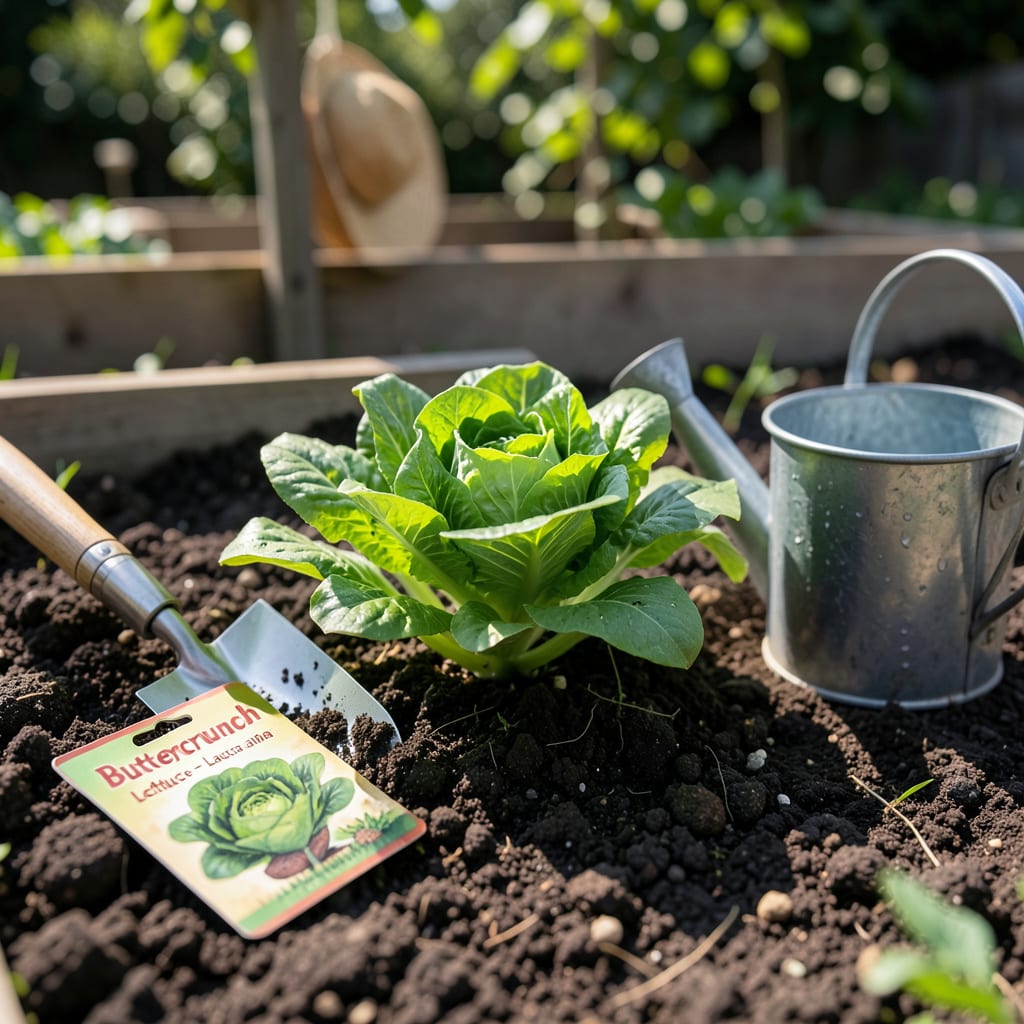
Timing your 🥬 lettuce planting in Kentucky can mean the difference between crisp, sweet leaves and a bitter, bolted mess. I’ve seen too many gardeners miss their window—plant too late in spring, and your lettuce turns tough before you can harvest it.
But here’s the good news: Kentucky’s two perfect planting seasons—spring and fall—give you two chances for success. I’ll break down the exact weeks to sow, which varieties thrive in our Zones 6b-7a climate, and how to stretch your harvest well beyond the average 30-50 days. Let’s get it right this year.
If you’ve ever wondered why your lettuce turns bitter or bolts before harvest, it’s likely a timing issue. In Kentucky’s USDA Zones 6b-7a, lettuce thrives when planted during two key windows: early spring and late summer. These periods avoid extreme heat and frost.
Spring planting should begin 4–6 weeks before the last frost (around April 15 for most of KY). For fall, aim to sow seeds 6–8 weeks before the first frost (typically October 15). This ensures tender, sweet leaves before winter arrives.
| Season | Planting Window | Method | Notes |
|---|---|---|---|
| Spring | March–April | Indoors: Feb–March Direct sow: March–April |
Avoid planting after May 1—heat causes bolting. |
| Fall | August–September | Direct sow only | Plant by Sept 15 for harvest before frost. |
Soil temp ideal: 40–75°F. Use shade cloth if temps exceed 80°F.
For spring lettuce, start seeds indoors 6 weeks before the last frost (mid-February) or direct-sow 2–4 weeks before (late March). Varieties like ‘Buttercrunch’ or ‘Romaine’ handle Kentucky’s spring swings well.
Fall planting is trickier—sow seeds in late August to early September so plants mature before the first frost. ‘Winter Density’ and ‘Black Seeded Simpson’ are cold-hardy picks that tolerate light frosts.
If you’re in Western Kentucky (Zone 7a), you can push spring planting 1–2 weeks earlier than Eastern KY (Zone 6b). Always check your local frost dates—microclimates vary even within the same county.
Soil prep matters too. Lettuce prefers loose, well-draining soil with a pH of 6.0–6.8. Work in compost before planting, especially if your soil is heavy clay (common in KY). A 1-inch layer of mulch helps retain moisture.
For succession planting, sow new seeds every 2 weeks in spring until early May. In fall, make your final sowing by September 10 to ensure harvest before hard frosts hit.
Watch the 10-day forecast before planting. If nighttime temps dip below 40°F, cover seedlings with row covers or cloches. Lettuce can survive light frosts, but prolonged cold stunts growth.
Remember: Lettuce is a cool-season crop. Once daytime temps hit 80°F+, most varieties bolt. Use 30% shade cloth in late spring to extend your harvest by 2–3 weeks. ☀️
Kentucky’s unpredictable weather can cut your lettuce season short—unless you use these tricks. I’ve tested these methods in my own garden, and they’ve helped me harvest fresh lettuce for weeks longer than the average grower. The key? Working with our climate, not against it.
First, let’s talk about shade cloth. When spring temps climb above 80°F, even heat-tolerant varieties like ‘Jericho’ Romaine start to bolt. A 30-40% shade cloth draped over hoops can lower soil temps by 5-10°F, buying you extra time. 🌱
Bonus: Interplant with radishes—they deter pests and mark rows!
For fall lettuce, timing is everything. I sow seeds in late August and cover them with lightweight row fabric until germination. This prevents soil from crusting during KY’s late-summer rains. Once sprouted, thin to 8–10 inches apart for full-sized heads.
If you’re dealing with heavy clay soil (common in Central KY), try raised beds or container gardening. Lettuce roots are shallow, so even 6-inch-deep containers work. Use a mix of 50% potting soil and 50% compost for best results. 🪴
Don’t forget about cold frames! A simple DIY cold frame (old windows + straw bales) can extend your fall harvest by 3–4 weeks. I’ve harvested ‘Winter Density’ lettuce as late as Thanksgiving in Lexington using this trick.
Finally, watch for pests like slugs (especially in Western KY’s humid zones). I set out beer traps or sprinkle diatomaceous earth around plants. For rabbits, a 2-foot chicken wire fence works wonders—just bury 6 inches deep to block diggers.
Remember: Lettuce grows fastest in 50–65°F weather. Use a soil thermometer (target 40–75°F) and adjust planting dates if we have a mild winter or late spring. Your county extension office often posts updated frost predictions! ✅
Even experienced Kentucky gardeners can struggle with lettuce—it’s finicky about timing and conditions. The most common issue I see? Planting too late in spring or too early in fall, which leads to bolting or frost damage. Let’s fix those mistakes before they ruin your harvest.
First, avoid soggy soil. Kentucky’s clay-heavy ground holds moisture, and lettuce roots rot easily. If your soil stays wet 24+ hours after rain, amend with compost or sand to improve drainage. Raised beds are a game-changer for clay soil. 💧
*Fix these, and you’ll double your harvest!
Another big mistake? Using old seeds. Lettuce seeds lose viability fast—always check the packet date. For Kentucky’s climate, I recommend fresh seeds (less than 2 years old) and pelleted varieties for easier spacing in our heavy rains.
Don’t overlook soil pH either. Kentucky soil often skews acidic (pH <6.0). Test your soil and add lime if needed. Lettuce prefers a pH of 6.0–6.8. A simple test kit from your local extension office costs under $10 and saves headaches.
Finally, watch for overcrowding. Thin seedlings to 8–12 inches apart—closer spacing works for leaf lettuce, but head varieties need room. Use the “scissor method”: snip extras at soil level to avoid disturbing roots. ✂️
Summer planting is risky due to Kentucky’s heat. Lettuce bolts (goes to seed) when temperatures exceed 80°F. For summer harvests, try heat-tolerant varieties like ‘Jericho’ or ‘Summer Crisp’ and use 30% shade cloth to protect plants.
Use row covers or cold frames to shield plants when temperatures drop below 32°F. These can extend your harvest by 2-4 weeks. For extra protection, apply a thick layer of straw mulch around the base of plants.
For spring, try ‘Buttercrunch’ or ‘Black Seeded Simpson’—they handle temperature swings well. In fall, ‘Winter Density’ and ‘Romaine’ varieties thrive. These types resist bolting and tolerate light frosts common in Kentucky.
Water every 3-5 days, providing about 1 inch per week. Kentucky’s clay soil retains moisture but can dry out quickly in heat. Always water in the morning to reduce evaporation and prevent fungal diseases.
Bitterness usually means the plant is stressed—often from heat or lack of water. In Kentucky’s summers, provide afternoon shade and keep soil consistently moist. Harvest leaves early in the season for the sweetest flavor.
