
Beautiful Plants For Your Interior
Beautiful Plants For Your Interior
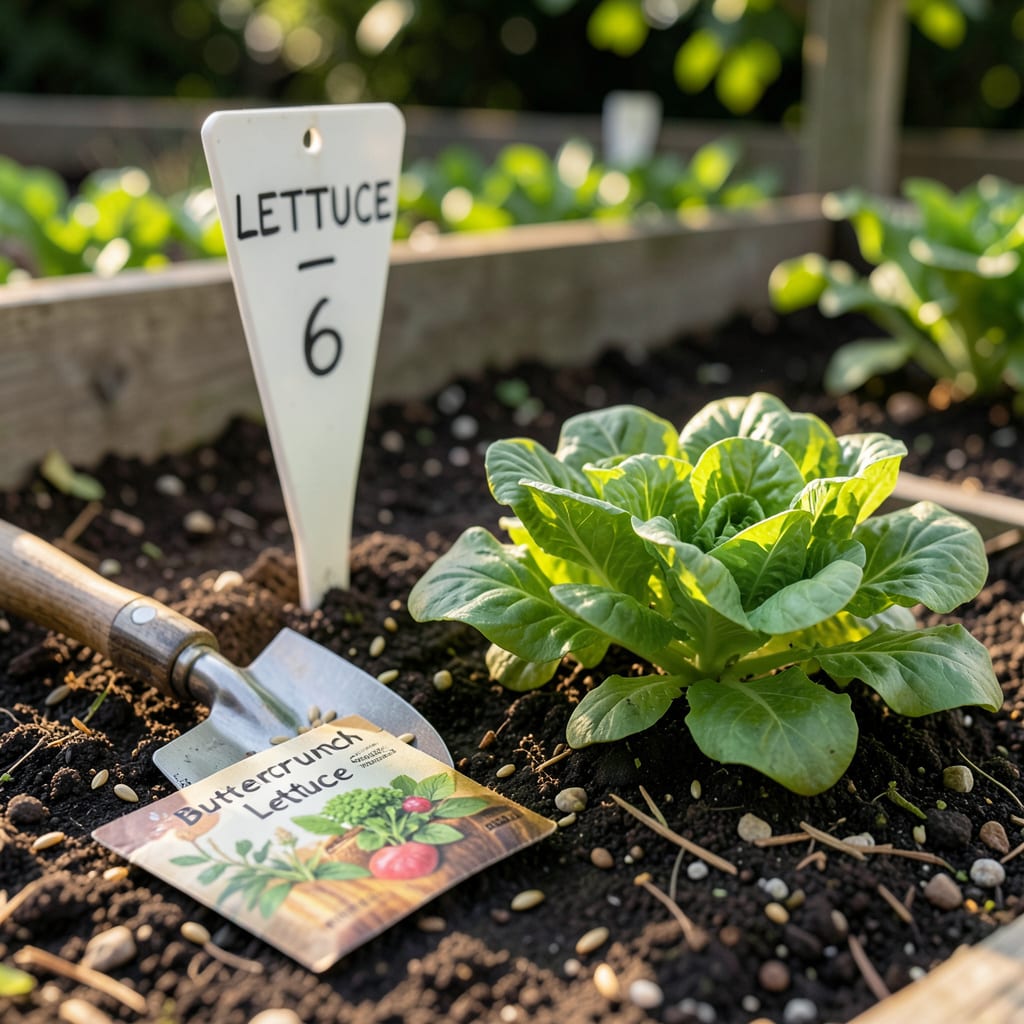
Timing can make or break your 🥬 lettuce harvest in Indiana. Plant too soon, and a late frost might wipe out your seedlings. Wait too long, and summer heat could turn those tender leaves bitter before you even get to enjoy them.
After years of testing different approaches, I’ve found the perfect window for Indiana gardeners—whether you’re in the cooler northern zones or the slightly milder south. Let me show you how to nail the timing for crisp, flavorful lettuce all season long.
If you’re eager to grow crisp, fresh lettuce in Indiana, timing is your best friend. Our state spans USDA zones 5a to 6a, meaning planting dates shift slightly depending on where you live. Spring and fall are your golden windows—avoid summer’s heat, which makes lettuce bolt and turn bitter.
In northern Indiana (Zone 5a/5b), you’ll plant later than gardeners in southern regions (Zone 6a). The key is working around your last spring frost (typically mid-April to early May) and first fall frost (mid-October). Let’s break it down by zone so you can plan like a pro.
| Zone | Spring Planting | Fall Planting | Notes |
|---|---|---|---|
| 5a (North) | April 15–May 1 | Aug 15–Sep 1 | Start indoors March 15 for early transplant. |
| 5b (Central) | April 1–April 20 | Aug 20–Sep 10 | Watch for late frosts—cover seedlings if needed. |
| 6a (South) | March 20–April 10 | Sep 1–Sep 20 | Can sneak in a second fall crop if protected. |
Pro Tip: Succession plant every 2 weeks for continuous harvests! 🌱
For spring planting, aim to sow seeds 2–4 weeks before your last frost. Lettuce germinates in cool soil (40–65°F), so don’t wait for summer warmth. If you’re transplanting starts, harden them off for 5–7 days before moving them outside.
Fall lettuce thrives when planted 6–8 weeks before your first frost. This gives plants time to mature before cold sets in. In Zone 6a, you might even squeeze in a late September planting with row covers. I love ‘Winter Density’ for fall—it handles light frosts like a champ.
Microclimates matter! If you’re in a low-lying area, frost lingers longer. Near a lake or river? Your season might start earlier. Use a soil thermometer to confirm temps are above 40°F before sowing. Lettuce seeds rot in cold, soggy soil.
Not all lettuce is created equal. For Indiana’s swings, try heat-tolerant varieties like ‘Jericho’ (romaine) or ‘Buttercrunch’ (butterhead). Leaf lettuces like ‘Black Seeded Simpson’ grow fast—perfect for quick harvests before summer heat hits.
Want to bend the rules? Use row covers in early spring to warm soil or shade cloth in late summer to block harsh sun. I’ve kept lettuce happy into June with 30% shade cloth and extra water. Just watch for slugs—they love cool, moist conditions too!
Remember, lettuce is a cool-season crop. Once temps hit 80°F, most varieties bolt. If you miss the spring window, focus on fall or grow in partial shade. And always mulch to keep soil cool and moist—straw or grass clippings work great. 🌿
Still unsure? Check your local extension office for hyper-local frost dates. Or pop a thermometer in your garden to track temps. Lettuce is forgiving, but nailing the timing means sweeter leaves and fewer bitter surprises. Happy planting!
Indiana’s short spring and early fall frosts can cut your lettuce season short—but you can outsmart Mother Nature. With a few simple tricks, I’ve stretched my harvests by 4–6 weeks in both directions. The secret? Protecting plants from cold snaps and summer scorchers.
Start by choosing the right tools. Row covers add 4–6°F of warmth in spring, while shade cloth blocks harsh summer sun. Pair these with cold-hardy varieties like ‘Winter Density’ or heat-tolerant ‘Jericho’, and you’ll be harvesting when others are just planting.
Bonus: Interplant with tall crops like tomatoes for natural shade!
For spring extensions, sow seeds indoors 4–6 weeks before transplanting. I use peat pots to minimize root shock. Harden off seedlings for 7–10 days before moving them outside, even if it’s just for a few hours daily. A cloche or mini greenhouse can buy you an extra week.
Fall lettuce loves cool nights, but frost can sneak up fast. Watch the forecast and cover plants with frost blankets when temps dip below 28°F. ‘Arctic King’ is my go-to for late fall—it survives light freezes! Harvest outer leaves first to keep plants producing longer.
Don’t overlook soil prep. Lettuce prefers loose, fertile soil with plenty of organic matter. Work in compost or worm castings before planting. Keep soil consistently moist but not soggy—drip irrigation works better than overhead watering to prevent disease. A soil thermometer is worth its weight in gold!
Pests love lettuce as much as you do. Slugs and aphids are the biggest culprits. Use beer traps for slugs and neem oil for aphids. Plant aromatic herbs like thyme nearby to deter pests naturally. And always rotate crops to prevent soil-borne diseases from building up.
Remember, lettuce grows fast! Most varieties reach harvest size in 30–50 days. Pick leaves regularly to encourage new growth. If bolts do start forming, pinch them off—sometimes the plant will keep producing. And don’t toss bolted lettuce: the flowers attract beneficial insects like hoverflies! 🌿
Even experienced gardeners can trip up with lettuce—especially in Indiana’s fickle climate. I’ve seen perfectly good seeds fail to sprout and thriving plants bolt overnight. The good news? Most mistakes are easy to fix once you know what to watch for.
One of the biggest blunders is ignoring soil temperature. Lettuce seeds need 40–65°F to germinate, but many gardeners plant too early in cold, wet soil. Use a soil thermometer—if it’s below 40°F, wait or use row covers to warm the bed. 🌡️
Quick Fix: Thin seedlings early and mulch to retain moisture. 💧
Another common issue is planting at the wrong time. Spring lettuce planted after May 15 often bolts before maturing, while fall lettuce sown too late gets zapped by frost. Stick to the zone-specific windows we covered earlier—adjust for your microclimate if needed.
Bolting is every lettuce grower’s nightmare, but it’s preventable. When temps hit 80°F, most varieties start sending up flower stalks. Combat this by planting heat-tolerant varieties like ‘Jericho’ or ‘Magenta’, using shade cloth, and keeping soil moist. If bolts appear, pinch them off ASAP.
Pests and diseases love lettuce as much as we do. Slugs chew holes overnight, while aphids cluster on undersides. Avoid these by rotating crops, using copper tape for slugs, and spraying neem oil at first sign of aphids. Fungal diseases thrive in wet foliage—water at the base of plants only.
Finally, don’t forget to harvest properly. Many gardeners wait too long, letting leaves grow tough. Pick outer leaves first when they’re 4–6 inches tall, or cut whole heads at the base. Use clean scissors to avoid introducing disease. And if you spot yellowing leaves, remove them immediately—they’re a beacon for pests! 🌿
Summer heat is lettuce’s worst enemy—most varieties bolt when temps hit 80°F. For summer planting, choose heat-tolerant types like ‘Jericho’ or ‘Magenta’ and use 30-50% shade cloth. Water deeply in early morning to keep soil cool.
In Zone 5b, aim to sow fall lettuce by August 20 for a reliable harvest. For late plantings, use cold-hardy varieties like ‘Winter Density’ and protect with row covers when frost threatens. Check your local frost date for precision.
Cover seedlings with frost blankets or plastic cloches when temps drop below 32°F. Remove covers during the day to prevent overheating. For extra security, plant near a south-facing wall or use mulch to insulate roots.
Lettuce seeds need light to germinate—sow them ⅛ inch deep max. Cold, soggy soil is another common culprit; use a soil thermometer to confirm temps are above 40°F. Keep soil consistently moist but not waterlogged.
Use a south-facing window or grow lights for 12-14 hours/day. Choose compact varieties like ‘Tom Thumb’ and maintain temps between 60-70°F. Indoor lettuce grows slower but avoids weather-related stress.
