
Beautiful Plants For Your Interior
Beautiful Plants For Your Interior
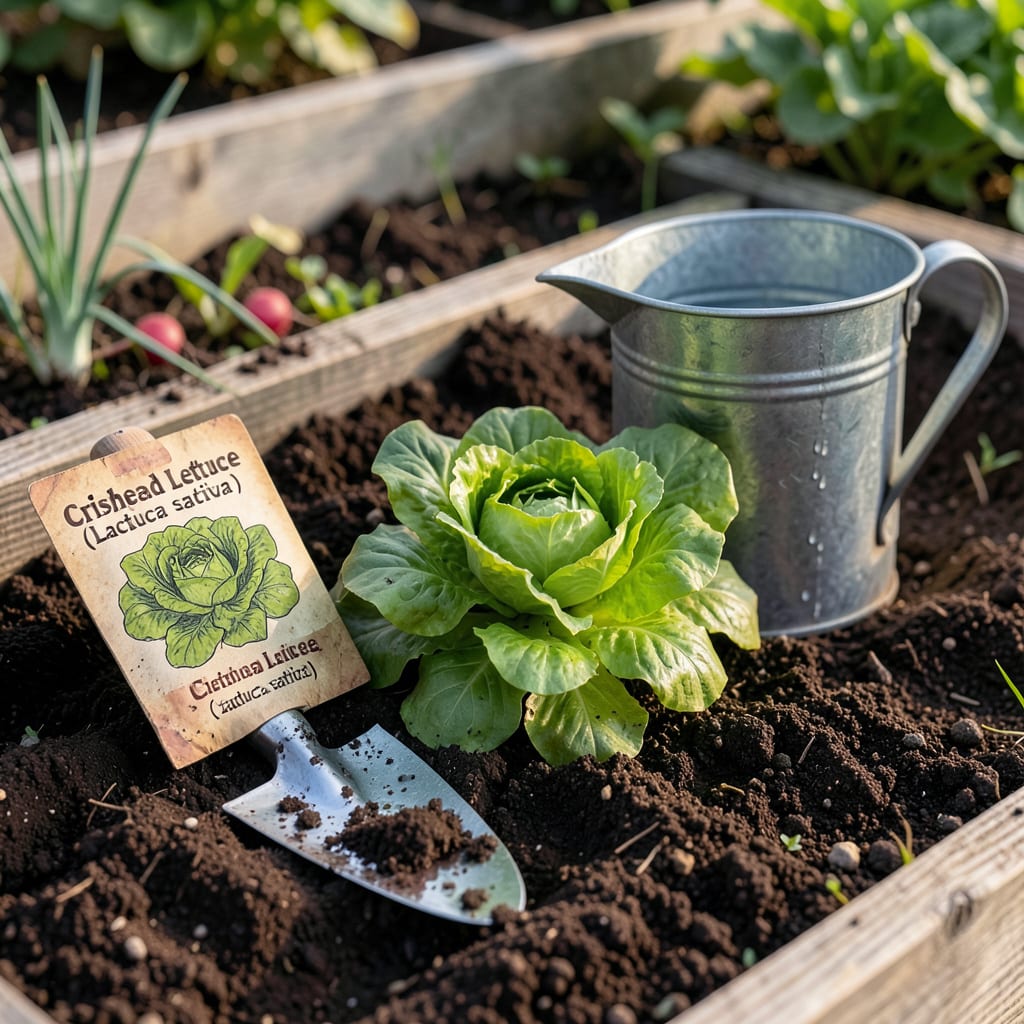
Timing your 🥬 lettuce planting in Illinois can mean the difference between crisp, sweet leaves and a bitter, bolted mess. Our state’s unpredictable springs and early heat waves make nailing those planting dates absolutely crucial.
After years of testing different approaches in my own Illinois garden, I’ve discovered the perfect windows for both spring and fall crops. Let me show you exactly when to get those seeds in the ground for faster growth and longer harvests—no guesswork required.
If you’re wondering when to plant lettuce in Illinois, timing depends entirely on your USDA hardiness zone. Illinois spans zones 3 through 6, meaning frost dates vary dramatically from Chicago to Carbondale. I’ll break down the perfect windows for both spring and fall crops.
Lettuce thrives in cool soil (45-65°F) and bolts quickly in summer heat. In southern Illinois (zone 6), you can start 4-6 weeks before last frost (around March 1). Northern gardeners (zone 5) should wait until late March or early April.
| Zone | Spring Planting | Fall Planting | Last Frost |
|---|---|---|---|
| Zone 3 (Northern IL) | April 1-15 | Aug 15-30 | May 15 |
| Zone 4 (Central IL) | March 15-30 | Aug 1-15 | May 1 |
| Zone 5 (Chicago Area) | March 1-15 | July 25-Aug 10 | April 15 |
| Zone 6 (Southern IL) | Feb 15-March 1 | July 15-30 | April 1 |
*Plant seeds ¼ inch deep, 6-8 inches apart. Use row covers for early/late plantings.
For spring lettuce, I recommend starting seeds indoors 4-6 weeks before transplanting. This gives you a head start, especially in colder zones. Fall lettuce requires counting backward from your first frost date—aim for 6-8 weeks before that date.
Urban gardeners in Chicago (zone 5b) often have warmer microclimates due to heat islands. You might plant 1-2 weeks earlier than rural areas. Always check soil temperature with a thermometer—40°F minimum for germination.
Pro tip: Succession planting every 2 weeks extends your harvest. I plant leaf lettuce first (faster growing), followed by romaine, then butterhead for late harvests. This staggers maturity and prevents gluts.
Watch for late frosts in spring—cover seedlings with frost blankets if temps drop below 28°F. In fall, shade cloth helps when temperatures spike. Lettuce grows best with consistent moisture, so mulch heavily.
For heat-tolerant varieties, try ‘Jericho’ romaine or ‘Magenta’ leaf lettuce. These handle Illinois summers better than standard varieties. In zone 6, you might sneak in a summer crop with shade protection.
Remember: Bolting (flowering) makes leaves bitter. If you see a central stalk forming, harvest immediately or provide afternoon shade. I’ve found morning sun only works best for summer lettuce in containers.
Test your soil before planting—lettuce prefers pH 6.0-6.8. Work in compost for nutrients and perlite if your soil is heavy clay (common in Illinois). A balanced fertilizer (10-10-10) at planting gives a nice boost.
Getting one harvest from your Illinois lettuce is good, but extending the season for months of fresh greens is even better. After testing different methods in my own garden, I’ve found four game-changing techniques that work perfectly in our Illinois climate. These aren’t just theories—they’re battle-tested in zone 5b.
First, let’s tackle the biggest challenge: Illinois summers. Our heat waves can turn tender lettuce bitter overnight. The solution? Strategic shade and smart variety selection. I’ve kept lettuce thriving through July by combining these approaches with consistent moisture. Here’s exactly how to do it.
Plant small batches from March through May, then August to September. This staggers harvests and prevents gluts. I use leaf lettuce for quick cuts and romaine for later harvests.
Drape over hoops from June-August to block intense afternoon sun. ‘Jericho’ romaine and ‘Magenta’ handle heat best under cloth. Remove cloth on cloudy days to prevent mildew.
Install unheated cold frames in late September for fall/winter harvests. Vent on sunny days (>50°F). ‘Winter Density’ and ‘Arctic King’ survive light frosts (25-28°F).
Grow in shallow pots (6″ deep) with coco coir mix. Move containers to east-facing walls for morning sun/afternoon shade. Perfect for apartment balconies—I harvest from my Chicago porch until December!
✅ Pro Tip: Combine shade cloth with drip irrigation on timers for hands-off summer lettuce. Set for 6 AM watering to reduce evaporation.
For spring extensions, I start seeds indoors under grow lights in late January (zone 5). Transplant hardened seedlings into cold frames by mid-February for March harvests. This gives me salad greens 6 weeks earlier than direct-sown lettuce.
The fall season is where most Illinois gardeners miss out. Here’s my secret: plant transplants (not seeds) in late August for faster establishment. Use floating row covers at night when temps drop below 40°F. This simple trick added 3 extra weeks to my harvest last year.
Don’t overlook soil temperature—it’s more important than air temp for germination. I use a $10 soil thermometer to check depths. Lettuce seeds won’t sprout if soil is below 40°F or above 75°F. In spring, black plastic mulch warms soil faster. In fall, straw mulch keeps roots cool.
Finally, harvest techniques matter for longevity. For leaf lettuce, never remove more than 1/3 of leaves at once. Use clean scissors to cut outer leaves 1″ above soil—this encourages regrowth. Head varieties should be harvested entirely when firm. Always water after harvesting to reduce stress.
By combining these methods, I now harvest Illinois lettuce from March through December—that’s 9 months of homegrown greens! The key is adapting to microseasons: cool spring, hot summer, crisp fall. Each requires different tactics, but all are manageable with these proven techniques.
Even experienced Illinois gardeners can mess up lettuce timing, and I’ve made every mistake so you don’t have to. The biggest issue I see? Ignoring soil temperature—many plant by calendar dates instead of actual conditions. Lettuce seeds need 40-65°F soil to germinate properly.
Another common blunder is planting too late in spring. When daytime temps hit 75°F consistently, most lettuce varieties start bolting (flowering), turning leaves bitter. In Chicago, this often happens by late May—so your last spring planting should go in by early April.
💡 Recovery Tip: If your lettuce bolts, pull it and plant fast-growing radishes or spinach in its place.
Many Illinois gardeners also underestimate fall planting. They think “fall crop” means planting in fall—but you need to start in late summer. For zone 5, that’s August 1-15. The seeds need cool soil to germinate, which won’t happen if you wait until September.
I’ve seen gardeners lose entire crops by skipping row covers. Those $20 fabric covers can mean the difference between harvest and heartbreak. Use them for spring frosts (below 28°F) and fall cold snaps. They also protect against flea beetles, a common Illinois pest.
Watering mistakes wreck timing too. Inconsistent moisture stresses lettuce, triggering early bolting. Set up drip irrigation on a timer for 6 AM watering—this prevents both drought stress and fungal issues. Remember: lettuce needs 1 inch of water weekly, including rainfall.
Finally, don’t overlook microclimates. Your Chicago backyard might be 5°F warmer than a rural farm due to pavement. I’ve successfully grown lettuce 3 weeks longer in urban containers than in-ground rural plots. Use this to your advantage!
Use frost blankets or row covers when temps drop below 28°F. These lightweight fabrics trap heat while allowing light/moisture through. For extra protection, add mulch around plants to insulate roots.
Yes, but choose heat-tolerant varieties like ‘Jericho’ or ‘Magenta’. Use 30% shade cloth and keep soil consistently moist. Morning sun with afternoon shade works best—containers can be moved to optimal spots.
Water every 1-2 days to maintain moist (not soggy) soil. Aim for 1 inch per week including rainfall. Morning watering reduces evaporation and fungal risks—drip irrigation on timers works perfectly.
Plant transplants (not seeds) in late August for faster establishment. Use floating row covers at night when temps drop below 40°F. Cold frames can add 3-4 extra weeks of harvest time.
Bitterness comes from heat stress and bolting. Prevent it by providing afternoon shade, using heat-resistant varieties, and harvesting early. Consistent watering helps too—stressed plants produce bitter compounds.
