
Beautiful Plants For Your Interior
Beautiful Plants For Your Interior
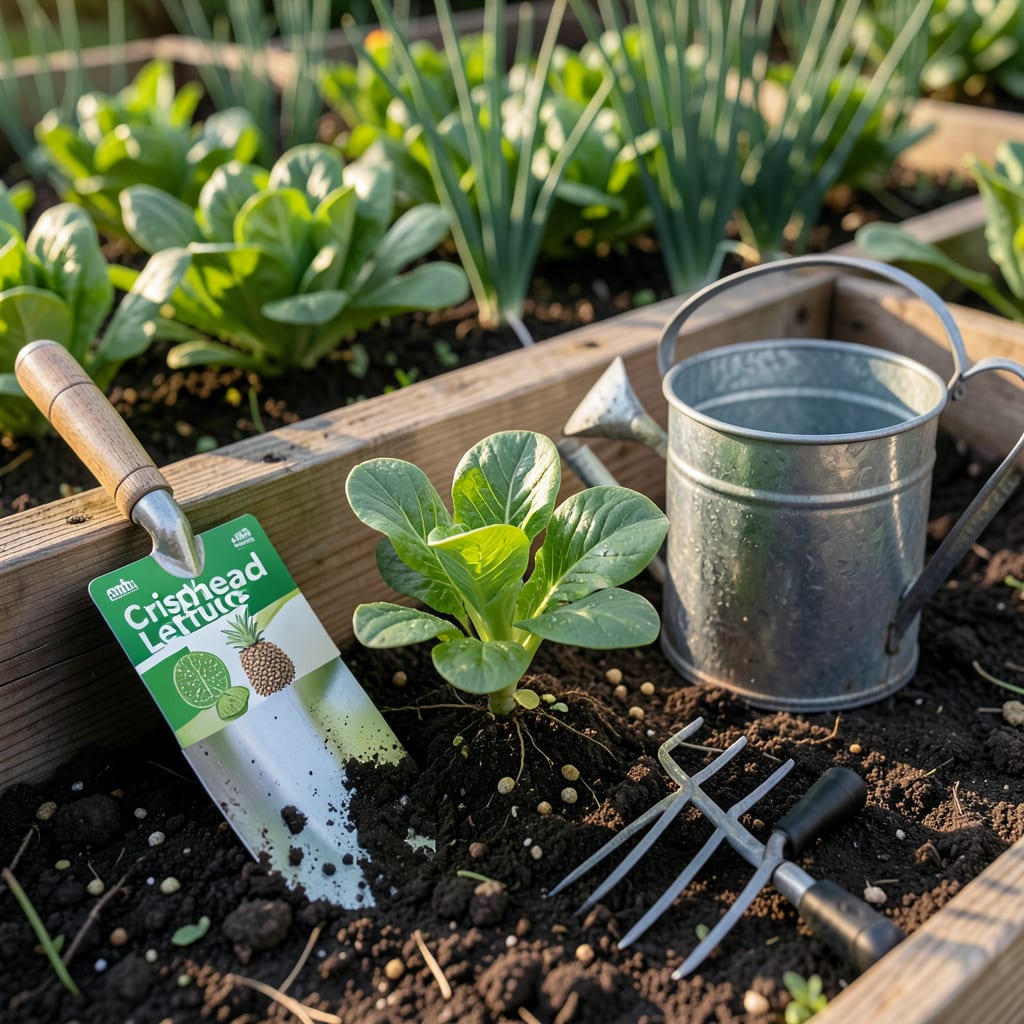
There’s nothing quite like the satisfaction of harvesting your own crisp, homegrown 🥬 lettuce—unless you’ve watched an entire crop bolt in Georgia’s sweltering heat. I’ve been there, and let me tell you, timing isn’t just important—it’s everything when it comes to growing this cool-season favorite.
From dodging late frosts in Zone 7b to outsmarting premature flowering, I’ll walk you through the exact windows that work for Georgia gardeners. Whether you’re planting your first seeds or looking to extend your harvest, these are the dates and strategies that deliver the best results season after season.
If you’ve ever watched your lettuce turn bitter or shoot up flowers overnight, you know Georgia’s climate doesn’t play fair. The secret? Planting windows that dodge both frost and scorching heat. In North Georgia, you’ll need to adjust for earlier frosts, while South Georgia gardeners can push their seasons a bit longer.
Lettuce thrives in cool soil (45–65°F), so timing your planting around Georgia’s last frost (April 10 in Zone 7b) is critical. Too early, and tender seedlings freeze; too late, and they’ll bolt before you get a single salad. Let’s break down the exact dates for spring and fall success—plus how to squeeze in an extra crop with succession planting.
| Region | Spring Planting | Fall Planting | Notes |
|---|---|---|---|
| North Georgia (Zones 7a-7b) |
Feb 15–Mar 15 | Aug 15–Sep 15 | Aim for soil temps above 40°F. Use row covers if frost threatens. |
| Central Georgia (Zone 8a) |
Feb 1–Mar 10 | Aug 20–Sep 20 | Watch for false spring—late frosts can surprise you! |
| South Georgia (Zones 8b-9a) |
Jan 20–Feb 20 | Sep 1–Oct 1 | Heat-tolerant varieties like ‘Jericho’ perform best here. |
Pro Tip: For a continuous harvest, sow new seeds every 2 weeks within these windows.
Spring planting is all about beating the heat. In North Georgia, I start seeds indoors 4–6 weeks before transplanting (around February 15). This gives seedlings a head start before temperatures climb. Central Georgia gardeners can direct-sow as early as February 1, but keep row covers handy for unexpected cold snaps.
Fall planting is trickier—you’re racing against the first frost (November 15 in Zone 7b). I aim to harvest before temperatures dip below 25°F, which kills lettuce. In South Georgia, you can push fall plantings into early October, but further north, stick to September 15 as your cutoff. Use a soil thermometer to confirm temps stay below 70°F for germination.
Succession planting is your best friend in Georgia. Instead of planting all at once, I sow small batches every 10–14 days. This staggers harvests and prevents gluts. For example, in Central Georgia, I’ll plant on February 1, February 15, and March 1—ensuring fresh lettuce for 6–8 weeks straight without overcrowding my garden.
If you’re determined to grow lettuce in summer (I don’t recommend it!), shade cloth is non-negotiable. Use 30–50% shade and plant heat-resistant varieties like ‘Summer Crisp’ or ‘Oakleaf’. Even then, expect slower growth and potential bitterness. A better strategy? Switch to Swiss chard—it handles Georgia summers like a champ.
Soil prep matters just as much as timing. Lettuce prefers loose, well-draining soil with plenty of organic matter. I mix in compost a week before planting and avoid heavy clay, which stays too wet. Aim for a pH of 6.0–6.8—a simple soil test kit from your local extension office can save you headaches later.
Watering is where many Georgia gardeners go wrong. Lettuce needs consistent moisture—not soggy soil. I water early in the morning (before 10 AM) to prevent fungal diseases. Drip irrigation works best, but if you’re hand-watering, aim for 1 inch per week, adjusting for rain. Mulch with straw or pine fines to retain moisture and keep roots cool.
Finally, don’t forget to harden off seedlings before transplanting. A week of gradual exposure to outdoor conditions (starting with 2 hours/day) prevents shock. And if a surprise frost hits? Floating row covers or even old blankets can save your crop overnight. Trust me—I’ve rescued many a lettuce patch this way!
With these timing tricks, you’ll be harvesting crisp, sweet lettuce long after your neighbors’ plants have bolted. Now grab your seeds—it’s time to make this your best lettuce season yet! 🌱
Georgia’s humid summers can turn your lettuce patch into a bolting disaster faster than you can say “salad days.” The key to keeping leaves tender and sweet? Shade cloth is your best friend—30% density works wonders for blocking intense afternoon sun while still letting light through.
I’ve found that mulching with straw keeps soil temps down and moisture consistent, which is critical when temps climb above 80°F. Pair this with drip irrigation (never overhead watering!) to prevent fungal issues that thrive in our sticky Georgia air.
When it comes to pests, slugs and aphids are Georgia’s top lettuce offenders. A beer trap (buried container with stale beer) lures slugs overnight, while neem oil spray keeps aphids at bay—just apply in the early morning to avoid leaf burn.
For organic gardeners, diatomaceous earth (food-grade) creates a barrier against crawlers, but reapply after rain. I also swear by companion planting—interspersing lettuce with chives or garlic deters pests naturally while saving space.
Watch for whiteflies on leaf undersides—they love Georgia’s humidity. A yellow sticky trap placed near plants catches adults before they multiply. For severe infestations, insecticidal soap (1 tbsp per gallon) works wonders if sprayed at dusk.
Remember, lettuce thrives in 60-70°F soil. Use a soil thermometer to monitor temps—if it hits 75°F, it’s time to switch to shade-loving greens like Swiss chard until fall. With these tricks, you’ll outsmart Georgia’s climate and enjoy crisp leaves well into spring!
Pro tip: Keep a garden journal to track which methods work best in your microclimate. What saves my lettuce in Zone 7b might need tweaking for coastal areas with higher humidity. 🌱
Not all lettuce is created equal when it comes to Georgia’s humid springs and mild falls. After years of trial and error in my Zone 7b garden, I’ve found that heat-tolerant varieties make all the difference between a bountiful harvest and a bolted disappointment.
Romaine lettuce like ‘Jericho’ and ‘Parris Island’ handles Georgia’s temperature swings better than most, while loose-leaf types such as ‘Black Seeded Simpson’ and ‘Oakleaf’ bounce back after light frost. For those in South Georgia (Zones 8b-9a), ‘Summer Crisp’ (a batavian type) is my top pick—it stays sweet even when temps creep into the 80s.
| Variety | Type | Heat Tolerance | Days to Harvest | Best For |
|---|---|---|---|---|
| Jericho | Romaine | ⭐⭐⭐⭐⭐ | 55-60 | Hot summers, slow bolting |
| Black Seeded Simpson | Loose-Leaf | ⭐⭐⭐⭐ | 45-50 | Fast growth, cut-and-come-again |
| Buttercrunch | Butterhead | ⭐⭐⭐ | 50-55 | Cool seasons, tender leaves |
| Summer Crisp | Batavian | ⭐⭐⭐⭐⭐ | 60-70 | Humidity-resistant, crisp texture |
Pro Tip: Mix varieties for a longer harvest window—plant fast growers like ‘Simpson’ alongside slower ‘Romaine’ for steady picks.
For fall plantings, I lean toward cold-hardy varieties like ‘Winter Density’ (a romaine) or ‘Arctic King’ (a crisphead). These can survive light frosts (down to 28°F) and actually get sweeter after a chill. In North Georgia, they’re perfect for extending your season into late November with a little protection.
Loose-leaf lettuces are ideal for Georgia’s succession planting because you can harvest outer leaves without uprooting the plant. ‘Salad Bowl’ and ‘Red Sails’ are my go-tos—they regrow quickly and add color to your plates. Just snip leaves 1–2 inches above the crown, and they’ll flush out new growth in 7–10 days.
Avoid iceberg types in Georgia—they’re finicky about heat and humidity. Instead, try ‘Little Gem’, a mini romaine with iceberg’s crunch but better heat tolerance. For container gardeners, ‘Tom Thumb’ (a butterhead) stays compact and thrives in shallow pots on patios or balconies.
Remember, seed catalogs often list “days to maturity,” but Georgia’s warmth can speed that up. I’ve had ‘Black Seeded Simpson’ ready in 35 days during mild springs! Always check soil temps—lettuce germinates best at 55–65°F, so use a thermometer to avoid planting too early in cold soil. 🌱
In North Georgia, stop planting by March 15 to avoid heat stress. For Central Georgia, March 10 is your cutoff, while South Georgia gardeners should wrap up by February 20.
Choose shallow, wide containers (at least 6 inches deep) and varieties like ‘Tom Thumb’ or ‘Salad Bowl’. Keep soil moist and provide morning sun/afternoon shade—especially in summer.
Bitterness comes from heat stress (temps above 75°F) or inconsistent watering. Use 30% shade cloth and mulch to keep roots cool. Harvest early in the day for the sweetest leaves.
Cover plants with floating row covers or old blankets when temps dip below 32°F. Cold-hardy varieties like ‘Winter Density’ survive light frosts (28°F) and taste sweeter after a chill.
Plant small batches every 10–14 days during your region’s window. Mix fast growers (like ‘Black Seeded Simpson’) with slower varieties for a staggered harvest. Always snip outer leaves first!
