
Beautiful Plants For Your Interior
Beautiful Plants For Your Interior
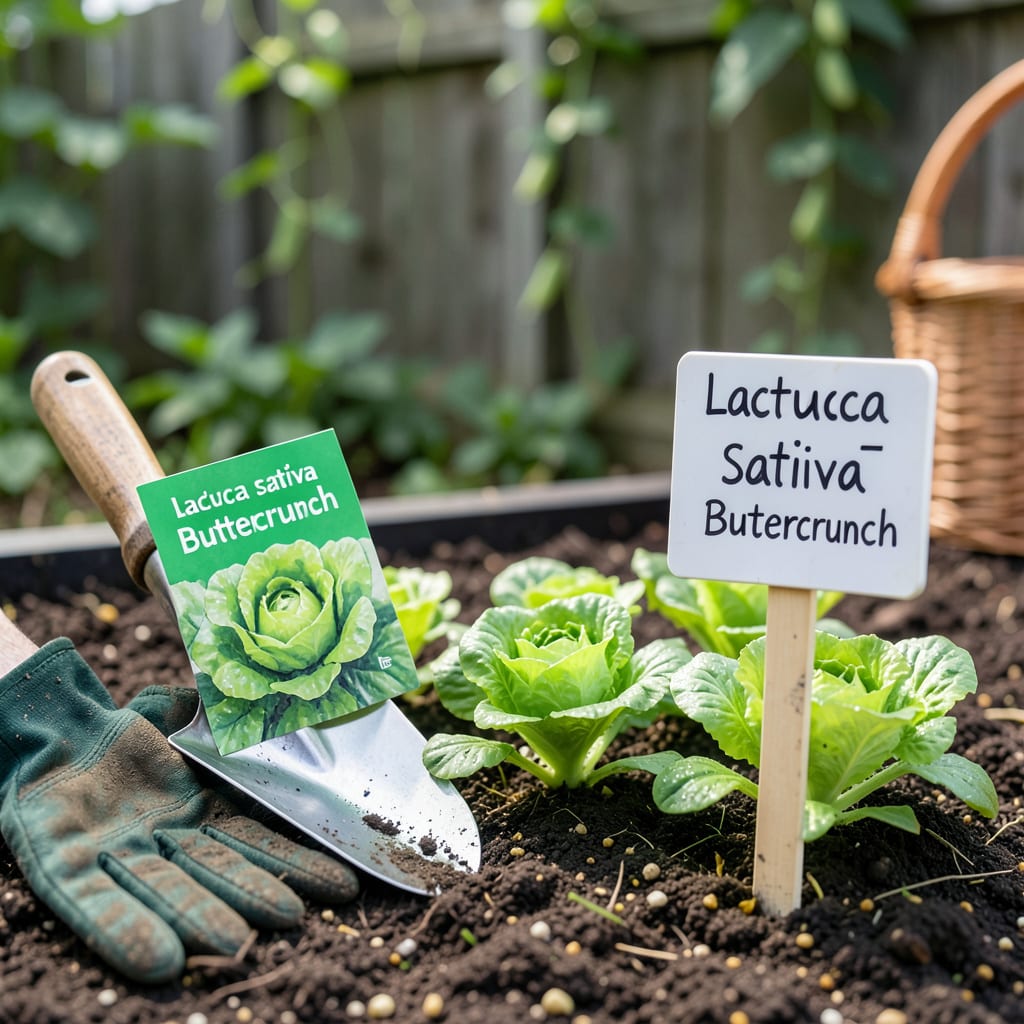
Timing your 🥬 lettuce planting in Colorado can feel like a high-stakes gamble—plant too soon, and a late frost might wipe out your crop. Wait too long, and that relentless summer sun will send your leaves bolting before you get a single salad.
After years of testing what works (and what doesn’t) in our unpredictable climate, I’ve nailed down the perfect windows for both Front Range gardens and mountain plots. Whether you’re in Denver or up near Steamboat, I’ll show you exactly when to get those seeds in the ground for crisp, sweet leaves all season.
Colorado’s unique elevation and microclimates make lettuce planting tricky. Along the Front Range, you can start seeds 4-6 weeks before the last frost (around April 15 for Denver). But in the High Country, wait until late May—frost lingers longer above 7,000 feet.
For fall lettuce, timing is even more critical. Plant 6-8 weeks before the first frost—early August in the mountains, late August to early September near Colorado Springs. Cold-hardy varieties like ‘Winter Density’ thrive in these conditions.
| Region | Spring Planting Window | Fall Planting Window | Best Varieties |
|---|---|---|---|
| Front Range (Denver, Fort Collins) | March 15 – April 15 | August 15 – September 1 | ‘Buttercrunch’, ‘Romaine’ |
| High Country (Aspen, Leadville) | May 1 – June 1 | July 15 – August 1 | ‘Arctic King’, ‘Winter Density’ |
| Western Slope (Grand Junction) | February 15 – March 15 | September 1 – September 15 | ‘Jericho’, ‘Slobolt’ |
*Adjust dates by 1-2 weeks based on your exact elevation and microclimate.
In Denver’s Zone 5b, I’ve found succession planting works best. Sow new seeds every 2 weeks until mid-May, then pause for summer heat. Resume in late August for a fall harvest. This keeps fresh lettuce on hand without overcrowding.
For high-altitude gardens, focus on fast-maturing varieties like ‘Salad Bowl’ (45 days). The short growing season demands efficiency. Use row covers to protect seedlings from late frosts—even in June, snow isn’t unheard of in the mountains!
Soil temperature matters more than calendar dates. Lettuce seeds germinate best at 40-75°F. Use a soil thermometer—if it’s below 40°F, wait or use cloches to warm the soil. In Colorado’s dry climate, moisture retention is key.
Don’t overlook shade cloth for summer plantings. Even heat-tolerant varieties like ‘Jericho’ struggle in 90°F+ temps. A 30-50% shade cloth can buy you an extra 2-3 weeks of growth before bolting. Pair this with drip irrigation to keep soil consistently moist.
If you’re in Colorado Springs or Pueblo, watch for wind damage. Lettuce leaves are delicate—use windbreaks or plant near fences. Container gardening works well here, as pots can be moved to sheltered spots during hailstorms.
For organic gardeners, amend soil with compost before planting. Colorado’s clay-heavy soil benefits from added organic matter. A 1-inch layer of compost improves drainage and moisture retention, critical for lettuce’s shallow roots.
Finally, always harden off seedlings before transplanting. Colorado’s intense sun and wind can shock tender plants. Gradually expose them to outdoor conditions over 5-7 days for best results. This step is non-negotiable for high-altitude success! 🌱
Colorado’s wild temperature swings can cut your lettuce season short—but with a few tricks, you can harvest crisp leaves from early spring to late fall. The key is protecting plants from late frosts and summer heatwaves, both of which love to sabotage lettuce.
I’ve tested these methods in my own garden, and they’ve added 4-6 extra weeks of harvest time. Whether you’re dealing with Denver’s hailstorms or mountain chill, these strategies keep your lettuce thriving longer. Let’s break down the most effective techniques. 🌱
For high-altitude gardens, cold frames are game-changers. They extend the season by 2-3 months in places like Leadville or Steamboat. I built mine with old windows and cinder blocks—it cost under $50 and paid for itself in extra harvests.
If you’re on the Western Slope, watch for early summer heat. Plant lettuce in partial shade of taller crops like tomatoes or corn. The afternoon shade can mean the difference between harvestable leaves and bitter, bolted plants.
Don’t forget soil prep—Colorado’s alkaline soil (pH 7.5-8.5) can stunt lettuce. Mix in peat moss or sulfur to lower pH to 6.0-6.8. A simple $10 soil test from your local extension office saves guesswork.
Finally, harvest strategically. Pick outer leaves first to keep plants producing. In fall, let some plants mature fully—they’ll survive light frosts and sweeten with cold. I’ve harvested ‘Winter Density’ lettuce as late as November in Denver with this method! 🌿
Even experienced gardeners make costly errors with lettuce in Colorado’s finicky climate. The biggest mistake? Ignoring elevation. What works in Denver’s Zone 5b won’t fly in Aspen’s Zone 4—adjust planting dates by 2-3 weeks per 1,000 ft gain to avoid disaster.
Another blunder is skipping soil prep. Colorado’s clay-heavy, alkaline soil (pH 7.5-8.5) stunts lettuce growth. Always amend with compost and test pH—aim for 6.0-6.8. I’ve seen entire crops fail from this oversight alone. 🌱
Many gardeners also misjudge bolting triggers. Lettuce bolts from heat or stress—not just temperature. Inconsistent watering or poor soil can cause premature flowering even in 65°F weather. Keep soil moist and shaded to delay bolting.
Avoid afternoon planting too. Colorado’s intense UV (20% stronger than sea level) fries young seedlings. Always plant in early morning or on cloudy days, and use shade cloth for the first week. This simple step reduces transplant shock by 50%.
Finally, don’t fertilize heavily. Lettuce needs nitrogen but hates salt buildup. Use half-strength fish emulsion every 3-4 weeks. Over-fertilizing causes bitter leaves or weak stems. Test soil first—Colorado’s native soil often needs less fertilizer than you’d expect. 🌿
Every 1,000 feet gain in elevation delays planting by 1-2 weeks. Denver gardeners can plant in mid-March, but mountain areas above 7,000 feet should wait until late May. Always check your specific zone!
It’s risky, but possible with heat-tolerant varieties like ‘Jericho’ or ‘Slobolt’. Use 30-50% shade cloth and plant in partial shade. Morning sun with afternoon protection works best to prevent bolting.
Plant 6-8 weeks before your first frost date. For Denver, that’s mid-August; in the mountains, aim for early July. Cold-hardy varieties like ‘Winter Density’ thrive in cooler fall temps.
Use row covers or cloches to add 4-6°F of warmth. Even in June, mountain areas can get frost. For containers, move pots to a covered porch overnight if frost is forecasted.
Bitterness usually means bolting (going to seed) from heat or stress. Harvest before flower stalks appear, or plant in cooler seasons. Consistent watering and shade help prevent this common issue.
