
Beautiful Plants For Your Interior
Beautiful Plants For Your Interior
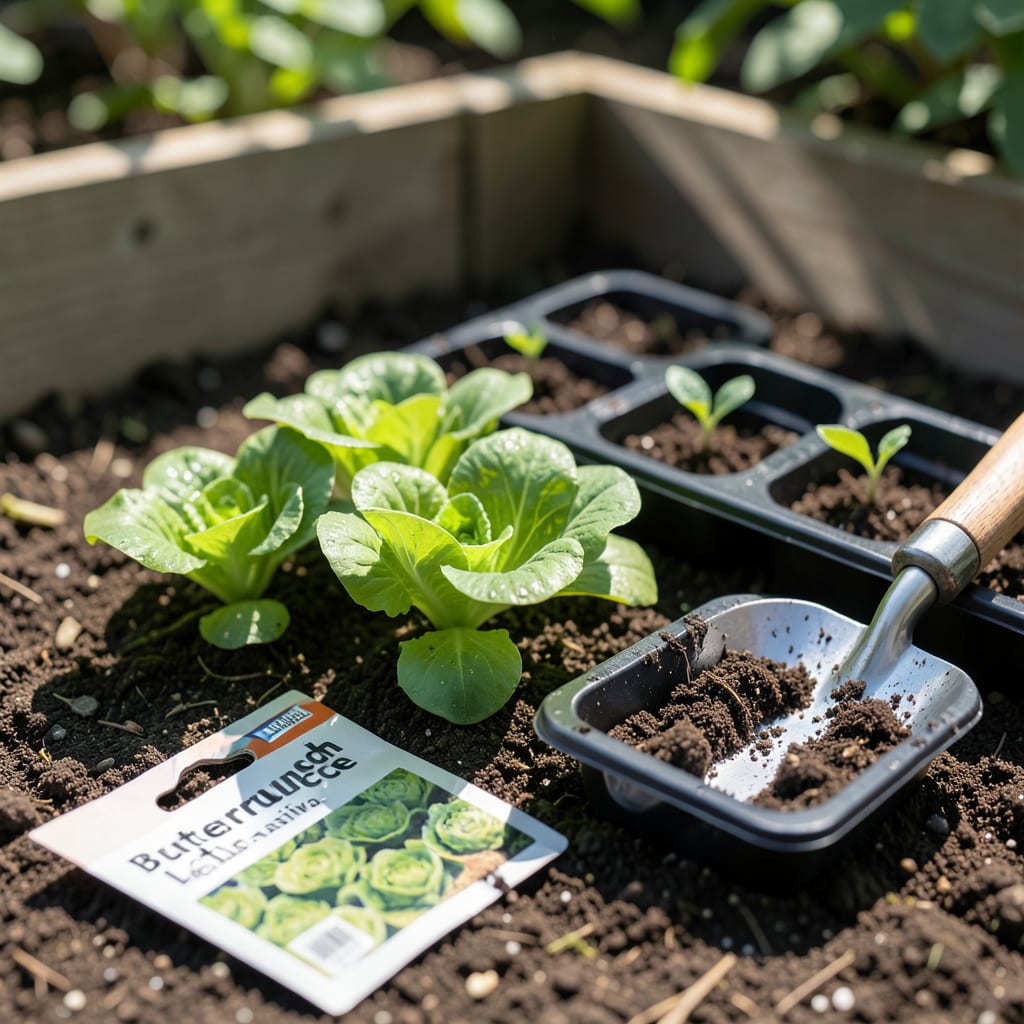
Alabama’s heat can turn your lettuce dreams into bitter disappointments—unless you nail the timing. I’ve seen too many gardeners watch their 🥬 bolt overnight because they planted a week too late in spring or started fall crops when summer still had its grip.
The difference between crisp, sweet leaves and a wilted mess often comes down to just 2-3 weeks. Let me show you exactly when to plant in your part of Alabama, plus the simple tricks I use to stretch the season—even when the thermometer climbs.
If you’ve ever watched your lettuce turn bitter or bolt overnight in Alabama’s heat, you know timing isn’t just important—it’s everything. Our state’s wild climate swings mean spring and fall windows are your best bets, but those dates shift dramatically from the Mountain North to the Gulf Coast. 🌱
Up in Huntsville (Zone 7b), you’ll plant earlier than gardeners in Mobile (Zone 9a), where summer heat lingers like an uninvited guest. The key? Watch soil temps (40–65°F is ideal) and your last frost date. Miss this, and you’re fighting bolting or wilting before you even harvest.
| Region | USDA Zone | Spring Planting | Fall Planting | Notes |
|---|---|---|---|---|
| North AL (Huntsville, Decatur) |
7a–7b | March 15–April 15 | August 15–September 15 | Watch for late frosts (avg. last frost: April 10). Use row covers to start earlier. |
| Central AL (Birmingham, Montgomery) |
8a | February 20–March 30 | September 1–October 1 | Heat builds fast—prioritize leaf lettuce (e.g., ‘Black Seeded Simpson’) over head types. |
| Coastal AL (Mobile, Gulf Shores) |
8b–9a | February 1–March 1 | October 1–November 1 | Humidity is high—space plants for airflow. Fall crops thrive with 30% shade cloth. |
See those fall dates? They’re later than you’d think—thanks to Alabama’s long growing season. But don’t push it: October plantings in Mobile might survive winter, while Birmingham gardeners should wrap up by early September to avoid frost nip. Pro tip: Succession plant every 2 weeks for a steady harvest. 🌿
For spring crops, I start seeds indoors 4–6 weeks before my region’s last frost. That’s mid-January in Mobile but not until late February in Huntsville. Transplant when seedlings have 4 true leaves and soil temps hit 50°F. Too cold? Lettuce stalls. Too hot? It bolts faster than you can say “salad.”
Fall lettuce is my favorite—cooler temps mean sweeter leaves. But here’s the trick: pre-sprout seeds indoors for 10 days before planting outside. This bypasses Alabama’s late-summer soil heat, which can cook tender seeds. Varieties like ‘Winter Density’ or ‘Arctic King’ laugh at light frosts. ✂️
Watch the 10-day forecast like a hawk. If nights dip below 28°F, toss a frost blanket over your plants. Coastal gardeners? You’ve got it easier—your Zone 9a lets you grow lettuce nearly year-round with shade and water. Just avoid July–August unless you’re growing heat-tolerant ‘Jericho’. 💧
Soil prep matters too. Alabama’s clay-heavy dirt needs amending with compost or sand for drainage. Lettuce roots rot in soggy soil, especially in our humid falls. Raise beds if you’re in a low spot—6 inches makes a huge difference after heavy rains. Test your soil pH; lettuce likes 6.0–6.8.
Still unsure? Grab a soil thermometer—they’re cheap and save guesswork. When it reads 40°F at 2” depth, you’re clear for direct sowing. And if your lettuce bolts anyway? Let it flower—bees love the blooms, and you’ll get free seeds for next season. Just don’t expect tender leaves after that! 🌻
Remember: Alabama’s microclimates mean your neighbor’s timing might not work for you. Keep a garden journal with notes on frost dates, bolt resistance, and which varieties thrived. Over time, you’ll nail that perfect window for crisp, sweet leaves every season. Now go get planting!
Alabama’s short lettuce windows don’t have to limit your harvest. With a few clever tricks, I’ve stretched my season by 4–6 weeks in both spring and fall. The secret? Working with our climate, not against it. 🌱
First, shade cloth is your summer ally. A 30–50% shade cover over spring plantings can delay bolting by 2–3 weeks, buying you extra harvest time. In fall, it protects young seedlings from late-summer scorchers while letting light through.
Here’s my favorite hack for spring: plant lettuce under taller crops like tomatoes or trellised cucumbers. By the time those plants fill in, your lettuce will be harvested—and the shade from their leaves buys you extra weeks before bolting. 🌿
For fall crops, soil prep is critical. Alabama’s warm earth in September can trick you—it might feel cool at night, but the ground retains heat. Test with a soil thermometer; if it’s above 70°F at 2” depth, wait or use shade cloth.
Don’t forget watering adjustments. Lettuce needs consistent moisture, but our clay soil holds water unevenly. Drip irrigation on a timer prevents both drought stress and rot. Aim for 1 inch per week, split into 2–3 sessions to keep leaves crisp. 💧
If frost threatens, floating row covers add 4–6°F of protection. Secure edges with bricks—Alabama’s wind gusts love to turn them into kites! For extreme cold, layer straw mulch over the cover at night, then remove it by 10 AM to prevent mold.
Finally, embrace the bolt. When lettuce starts to flower, let a few plants go to seed. You’ll get free seeds adapted to your microclimate, and the blooms attract pollinators that help your other crops. Just pull the rest for compost—bitter leaves aren’t worth saving! ✂️
Even experienced Alabama gardeners mess up lettuce timing—usually by trusting the calendar over the soil thermometer. I’ve seen folks plant in early March because “that’s what the seed packet says,” only to watch seedlings freeze in a late frost. 🌡️
The biggest mistake? Ignoring soil temperature. Lettuce seeds need 40–65°F to germinate, but our Alabama clay warms unevenly. A sunny 70°F day doesn’t mean the soil’s ready—test at 2” depth before sowing.
Another classic error: misjudging frost dates. Alabama’s last frost varies by 3+ weeks across the state. Coastal gardeners in Zone 9a can plant in February, but Huntsville’s Zone 7b might get frosts until mid-April. Always check your local frost data, not just the zone map. 🌬️
Overcrowding is a silent killer. Lettuce needs airflow to prevent fungal diseases in our humid climate. I space leaf varieties 6–8” apart and head types 10–12”. Tight spacing = smaller leaves and early bolting from competition.
Finally, planting depth trips up newbies. Lettuce seeds need light to germinate—press them 1/8” deep, then barely cover with soil. Too deep, and they’ll never sprout. Too shallow, and they dry out in Alabama’s spring breezes. ✂️
Lettuce seeds germinate best when soil temps are between 40–65°F. In Alabama, this usually means waiting until soil reaches at least 50°F at 2-inch depth. Use a soil thermometer to avoid guessing—our clay soil warms slower than you’d expect!
It’s risky, but possible with heat-tolerant varieties like ‘Jericho’ romaine or ‘Black Seeded Simpson’. Use 30–50% shade cloth and mulch heavily to keep roots cool. Even then, expect faster bolting—summer lettuce is more about quick harvests than long seasons.
Aim for 1 inch of water per week, split into 2–3 sessions. Our humid air reduces evaporation, but clay soil holds moisture unevenly. Drip irrigation works best—water in the early morning to prevent fungal diseases.
Bolting is triggered by heat (above 80°F) or long daylight (over 12–14 hours). In Alabama, spring plantings often bolt by May. Choose slow-bolting varieties and use shade cloth to delay it. Once it starts, harvest immediately—leaves turn bitter fast!
Fall wins for most gardeners! Cooler temps mean sweeter leaves and less bolting. Spring plantings race against rising heat, while fall crops benefit from stable temperatures and fewer pests. Just watch for unexpected late-summer heatwaves when starting seeds.
