
Beautiful Plants For Your Interior
Beautiful Plants For Your Interior
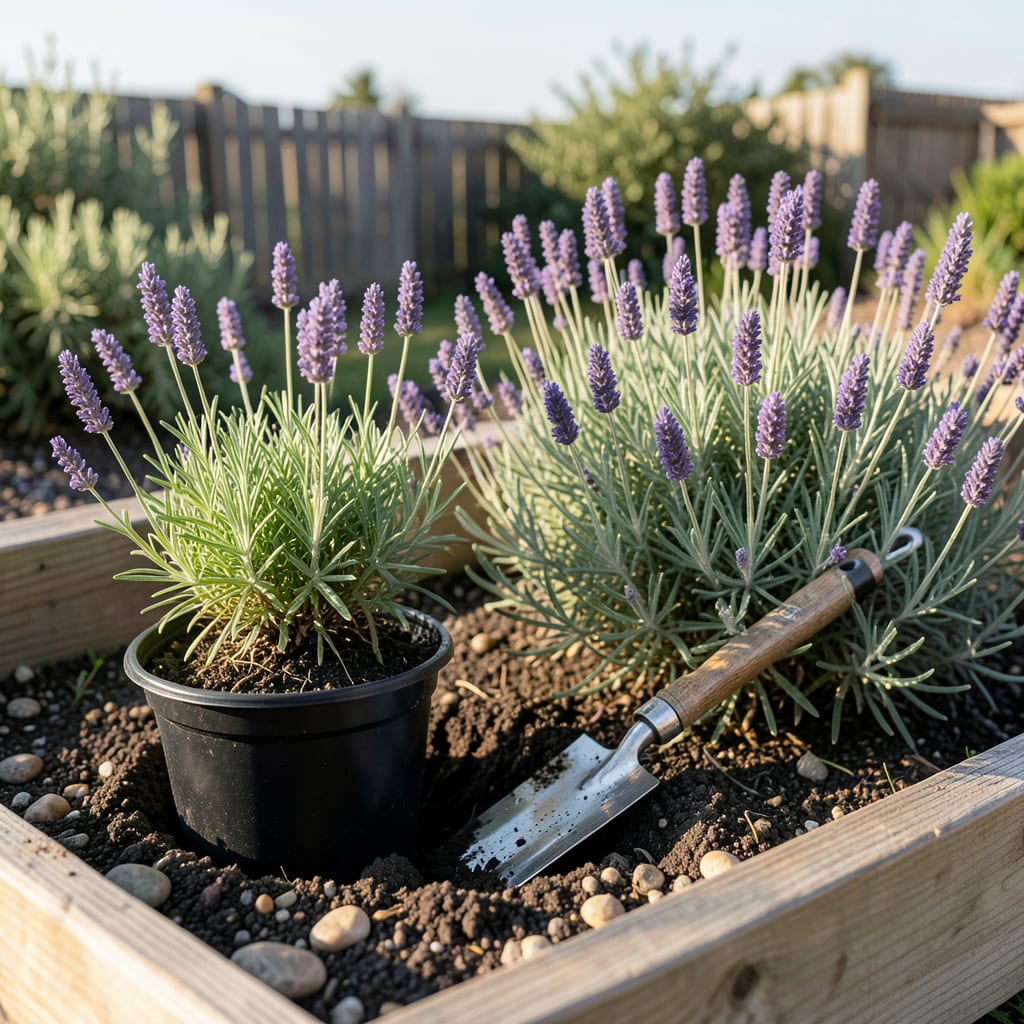
That first whiff of fragrant purple blooms makes all the effort worthwhile—but getting 🌿 Lavender to thrive in Texas? That’s where perfect timing comes into play. Our state’s wild temperature swings can turn a dream garden into a struggle if you don’t plant at just the right moment.
I’ve seen too many gardeners waste months (and plants) by guessing when to start. The good news? With Texas’ long growing season and USDA Zone 8b advantages, you’ve got a prime window—if you know exactly when to act. Let’s cut through the confusion and get your lavender roots happy from day one.
Texas gardeners face a unique challenge: our state spans USDA Zones 6–10, meaning what works in Dallas won’t fly in Houston. The ideal window for lavender is late winter to early spring, but timing shifts dramatically based on where you live. North Texas demands patience, while South Texas can start earlier.
For most of us in Zone 8b (Austin, San Antonio), aim for February–March. But if you’re up near Amarillo (Zone 7), wait until March–April to avoid late frosts. Coastal gardeners in Zone 9–10 (Corpus Christi, Brownsville) can push planting to January–February—your milder winters are a lavender advantage.
| Region | USDA Zone | Ideal Planting Window | Last Frost Date | Key Consideration |
|---|---|---|---|---|
| North Texas (Dallas, Fort Worth) | 7b–8a | March–April | March 15 | Wait until soil hits 60°F to avoid rot. |
| Central Texas (Austin, San Antonio) | 8a–8b | February–March | February 15 | Plant after last frost but before summer heat. |
| Gulf Coast (Houston, Galveston) | 9a–9b | January–February | January 30 | Humidity is the enemy—ensure full sun and airflow. |
| West Texas (El Paso, Lubbock) | 7a–8a | March–early April | April 1 | Low humidity helps, but wind protection is critical. |
Soil temperature is your secret weapon. Lavender roots establish best when soil is 60–70°F. Use a soil thermometer (or check local ag reports) before planting. In South Texas, January soils often hit this mark, while North Texas may not warm up until late March.
Fall planting? It’s risky but possible in Central/South Texas. If you go this route, plant by early October so roots develop before winter. Avoid fall planting in North Texas—unpredictable freezes can kill young plants before they establish.
Pro tip: Texas’ clay-heavy soils are lavender’s worst nightmare. No matter your region, amend beds with sand, gravel, or decomposed granite to improve drainage. I’ve saved countless plants by mixing in 50% perlite to native soil—it’s non-negotiable here.
For container gardeners, timing is more flexible. You can start lavender 4–6 weeks earlier than in-ground planting since pots warm up faster. Just watch for late frosts—move pots to shelter if temps dip below 20°F.
Remember, lavender hates wet feet. If your region gets heavy spring rains (looking at you, East Texas), plant on raised mounds or in containers with drainage holes. I’ve lost plants to “just one extra rainy week”—don’t make my mistake!
Still unsure? Check your local county extension office (Texas A&M AgriLife has fantastic zone-specific guides). They’ll have hyper-local frost dates and soil prep tips. For example, Travis County gardeners can plant earlier than Denton County due to microclimate differences.
Final rule of thumb: When in doubt, wait for warmer soil over rushing the season. Lavender planted too early in cold, wet soil often rots. But get the timing right, and you’ll be rewarded with fragrant blooms by early summer—just in time for Texas’ legendary sunsets. 🌿
If you’re debating between spring vs. fall planting for your Texas lavender, let me save you some trial and error. Both seasons work, but each has distinct advantages—and pitfalls. Spring planting gives you immediate blooms by summer, while fall planting lets roots establish before winter dormancy.
The secret lies in soil temperature: lavender thrives when soil hits 60–70°F. In Texas, that means February–March for spring or September–October for fall. But here’s the kicker—fall planting often wins because it avoids our brutal 100°F summers that stress young plants.
Key Tip: Fall-planted lavender often survives Texas summers better due to deeper root systems.
For North Texas (Zones 7-8a), I recommend fall planting to avoid late frosts. But in South Texas (Zone 9), you can push spring planting into early April since frost is rare. Either way, afternoon shade is non-negotiable for the first month to prevent wilting.
Here’s my golden rule: Water deeply twice weekly after planting, then taper off. Lavender hates wet feet, so let the top inch of soil dry between waterings. In fall, add a 2-inch mulch layer (gravel or straw) to insulate roots from temperature swings.
If you’re planting in containers, spring is your best bet—potted lavender struggles with Texas winter temperature fluctuations. Use terracotta pots for breathability and move them to partial shade by June. Remember, container plants dry out faster, so check moisture daily in summer.
Still unsure? Try this: Plant half your lavender in spring and half in fall, then observe which thrives. Most Texas gardeners (including me!) find fall-planted lavender requires less maintenance and bounces back stronger after its first summer. Either way, your patience will be rewarded with those iconic fragrant purple spikes by next season! 🌿
Even with perfect timing, Texas gardeners can still kill lavender by making these three common mistakes. I’ve learned them the hard way—so you don’t have to! The biggest culprit? Our clay-heavy soils, which suffocate lavender roots faster than you’d think.
First up: overwatering. Lavender is drought-tolerant, but Texas gardeners often treat it like thirsty petunias. Stick to deep watering once weekly (twice in extreme heat), and always let soil dry between sessions. Trust me, root rot is the silent killer here.
Pro Tip: If your soil clumps when wet, it’s too dense—lavender needs fast-draining conditions to thrive.
Another critical error? Ignoring microclimates. That sunny spot by your fence might seem perfect, but if it traps heat, your lavender will bake by June. Instead, choose locations with morning sun and afternoon breeze—like east-facing beds.
Finally, don’t plant lavender too close together. Texas heat means plants need airflow to prevent fungal issues. Space them 2–3 feet apart (yes, even dwarf varieties!). I once lost a whole row to powdery mildew because I crowded them—lesson learned!
For container growers, the mistakes shift slightly. Using plastic pots? They trap heat and cook roots. Switch to terracotta and elevate pots to improve drainage. And never—never—let saucers collect water. Texas humidity means roots rot faster than you’d expect.
Remember: Lavender is forgiving if you get the basics right. Avoid these pitfalls, and you’ll be harvesting fragrant stems for years. When in doubt, ask yourself: “Would this work in Provence?” If not, adjust! 🌿
Fall often wins for Texas gardeners because cooler temps reduce transplant shock. Roots establish before winter, giving plants a head start for spring growth. Just plant by early October to avoid frost damage in North Texas.
Use terracotta pots for breathability and move them to partial shade by June. Container lavender dries out faster, so check moisture daily during 100°F+ stretches. Elevate pots to prevent root rot from trapped heat.
Test drainage by digging a 12-inch hole and filling it with water. If it drains in under 1 hour, you’re good. For Texas clay, amend with 50% perlite/sand and aim for pH 6.5–7.5. When in doubt, use raised beds.
Overwatering! Lavender thrives on neglect once established. Stick to deep watering once weekly (twice in extreme heat). Clay soil holds moisture longer—let the top inch dry completely between waterings to prevent root rot.
Give each plant 2–3 feet of space, even dwarf varieties. Texas heat demands airflow to prevent fungal issues. Crowded plants trap humidity and invite powdery mildew—my biggest lesson learned the hard way!
