
Beautiful Plants For Your Interior
Beautiful Plants For Your Interior
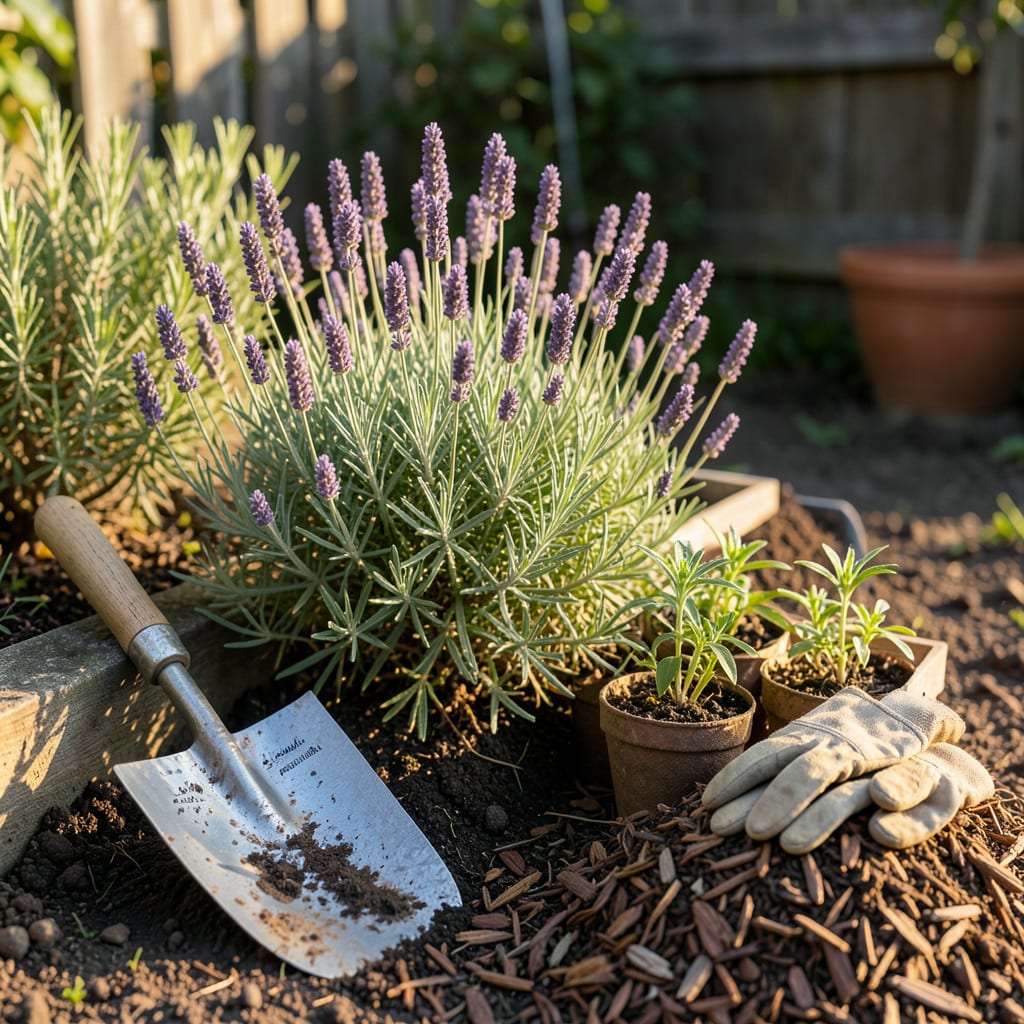
Timing your lavender planting in Oregon can mean the difference between a thriving, fragrant garden and a disappointing flop. Our 7b-9a climate throws unique challenges at gardeners—wet springs, scorching summers, and those sneaky late frosts that love to ruin plans.
After years of testing (and a few failed attempts!), I’ve nailed down the exact windows for planting 💜 lavender so it establishes strong roots before summer heat or winter chill hits. Let’s cut through the guesswork and get your Oregon lavender off to its best start—without the trial-and-error headaches.
If you’re dreaming of a fragrant, purple-hued garden in Oregon, timing your lavender planting is non-negotiable. Our state’s diverse USDA zones (7-9) mean what works in Portland’s zone 8b won’t fly in Bend’s zone 7a. Get this right, and you’ll enjoy drought-resistant blooms for years! 🌿
Oregon’s coastal fog, Willamette Valley rains, and high desert heat create microclimates that demand precision. Spring planting (March–May) gives roots time to establish before summer, while fall planting (September–October) leverages cooler temps and winter rains—if you avoid frost risks.
Pro Tip: Coastal gardeners (e.g., Astoria, zone 8b) can plant 2-3 weeks earlier in spring due to milder temps. Test soil at 60°F+ before planting. ☀️
In zone 7 (Central/Eastern Oregon), I’d bet on late spring planting to dodge those sneaky June frosts. The soil needs to hit 60°F—use a soil thermometer to check. If you’re in zone 9, your longer season lets you push fall planting into early November, but don’t tempt fate with hard freezes!
For Willamette Valley gardeners (zone 8), our wet springs are a double-edged sword. While moisture helps roots establish, soggy clay soil spells disaster for lavender. I always amend beds with gravel or plant on mounds to improve drainage. Trust me—your lavender will thank you with bigger blooms! 🌼
Coastal Oregon? Your cool summers and sandy soil are lavender heaven—but wind exposure can dry out plants fast. Plant in sheltered spots or use windbreaks. And don’t forget: Spanish lavender (Lavandula stoechas) thrives here but needs extra winter protection in zone 8!
If you’re in Southern Oregon (zone 9), your hot, dry summers mean lavender will flourish—if you plant early enough. I’d aim for March–April to give roots a head start. Drip irrigation is your best friend here; it keeps water off the foliage and prevents fungal issues in the heat.
No matter your zone, soil prep is everything. Lavender demands well-draining, slightly alkaline soil (pH 6.7–7.3). Mix in compost and perlite if your soil is heavy. And here’s my secret: Plant on a slope if possible—it ensures perfect drainage and mimics lavender’s native Mediterranean hillsides. 🪴
Timing isn’t just about the calendar—watch the weather forecasts! A late frost in zone 7 or an early heatwave in zone 9 can derail your plans. I use the Oregon State University Extension frost date tool to track local trends. When in doubt, delay planting a week—lavender hates soggy, cold roots.
Finally, don’t overlook microclimates in your own yard. A south-facing wall can be zone 9 while the rest of your garden is zone 8. Use this to your advantage! Plant heat-loving varieties like ‘Grosso’ in sunnier spots and cold-hardy ‘Munstead’ in cooler areas. 🌱
Even with perfect timing, a few simple missteps can doom your Oregon lavender before it thrives. I’ve seen gardeners lose entire beds to overwatering or poor drainage—don’t let that be you! Let’s tackle the top 5 mistakes and how to sidestep them. 🌱
Oregon’s climate throws curveballs: heavy spring rains, summer droughts, and unpredictable frosts. Lavender’s Mediterranean roots demand dry, sunny conditions, so our wet winters and clay soils can spell disaster. Here’s what to watch for—zone by zone.
Lavender hates wet feet! In Oregon’s Willamette Valley (zone 8), spring rains often provide enough moisture. Water only when soil is bone-dry 2″ down. Use drip irrigation to avoid wetting foliage. 💧
Our clay-rich soils (especially in Portland/Salem) suffocate lavender roots. Amend beds with 50% perlite or gravel and 20% compost. For containers, use a cactus/succulent mix cut with perlite. 🪴
Lavender stems rot if buried. Plant so the root ball sits 1″ above soil level, then mound soil gently around it. In zone 7 (Bend), this also helps prevent frost heaving in winter. ✂️
Oregon soils trend acidic (pH 5.5-6.5), but lavender craves pH 6.7-7.3. Test your soil! In coastal zones, add lime; in eastern Oregon, our soil is often alkaline enough. Retest annually. 🌡️
A south-facing slope in Ashland (zone 9) may be 10°F hotter than your flat garden bed. Plant ‘Grosso’ lavender in hot spots and ‘Munstead’ in cooler areas. Use windbreaks on the coast to combat salt spray. ☀️
In zone 9 (Southern Oregon), our intense summer sun can scorch young plants. I always mulch with white gravel to reflect heat and retain moisture. Avoid organic mulches—they hold too much water and encourage root rot in lavender’s sensitive roots.
For Willamette Valley gardeners, our spring rains are both a blessing and a curse. While they reduce watering needs, they also raise humidity levels, which lavender despises. Space plants 3’ apart for airflow, and prune annually to open the center of the plant.
Coastal Oregon’s sandy soil drains fast—great for lavender! But our cool summers mean slower growth. Choose fast-draining containers if your native soil is too poor, and add a light fertilizer (5-10-5) in early spring to boost blooms. 🌿
No matter your zone, resist the urge to fertilize heavily. Lavender thrives in low-fertility soil. I use a diluted liquid feed (half-strength) just once in spring and once in fall. Over-fertilizing leads to weak stems and fewer flowers
Not all lavender thrives equally in Oregon’s diverse microclimates. Our coastal fog, Willamette Valley rains, and high desert heat demand careful variety selection. I’ve tested dozens—here are the top performers for zones 7-9, plus their ideal planting windows. 🌿
English lavenders like ‘Munstead’ and ‘Hidcote’ dominate Oregon gardens for good reason: they’re cold-hardy (to zone 5!) and drought-tolerant once established. But don’t overlook Spanish lavender for coastal areas or ‘Grosso’ for hot Southern Oregon summers.
Pro Tip: For Willamette Valley gardens, plant ‘Munstead’ in raised beds to combat clay soil. Coastal gardeners should try ‘Ana Luisa’ Spanish lavender—it handles wind and salt spray! 🌊
In zone 7 (Bend/Prineville), I’d prioritize cold-hardy English varieties like ‘Munstead’ or ‘Hidcote’. Plant in late May–June when soil warms to 60°F. These varieties laugh at our June frosts and thrive in the high desert’s dry air. ✂️
For Willamette Valley gardeners (zone 8), our wet springs call for well-draining sites. I love ‘Susie’ lavender—its silver foliage contrasts beautifully with our green landscapes. Plant in April–May, and amend soil with 50% perlite to prevent root rot during rainy seasons. 💧
Southern Oregon (zone 9) is lavender paradise! Here, ‘Grosso’ and ‘Provence’ varieties shine in the hot, dry summers. Plant in March–April for summer blooms, and mulch with gravel to reflect heat. These giants grow 3’ tall—perfect for cutting gardens! ☀️
Coastal Oregon’s cool, windy climate suits Spanish lavender best. Try ‘Ana Luisa’ or ‘Kew Red’—their compact size (18-24″) handles salt spray and wind. Plant in April–May, and shelter with windbreaks if needed. The early blooms (May–June) will reward you! 🌱
Spring (April–May) is ideal for zone 8 areas like Portland and Salem. The cooler temps and spring rains help roots establish before summer heat. Fall planting works too, but avoid late October—our early frosts can shock young plants.
Cover plants with frost cloth (not plastic) on cold nights, and plant on mounds or slopes to improve drainage. In zone 7 (Bend), wait until late May when soil hits 60°F. A soil thermometer is your best tool!
Use a cactus/succulent mix with 50% perlite for drainage. Containers dry faster, so water every 5-7 days in summer. Elevate pots to avoid waterlogged roots during rainy seasons.
Coastal Oregon’s cool summers and windy conditions slow growth. Try Spanish lavender (e.g., ‘Ana Luisa’)—it’s salt-tolerant and compact. Shelter plants with windbreaks and use white gravel mulch to reflect heat.
