
Beautiful Plants For Your Interior
Beautiful Plants For Your Interior
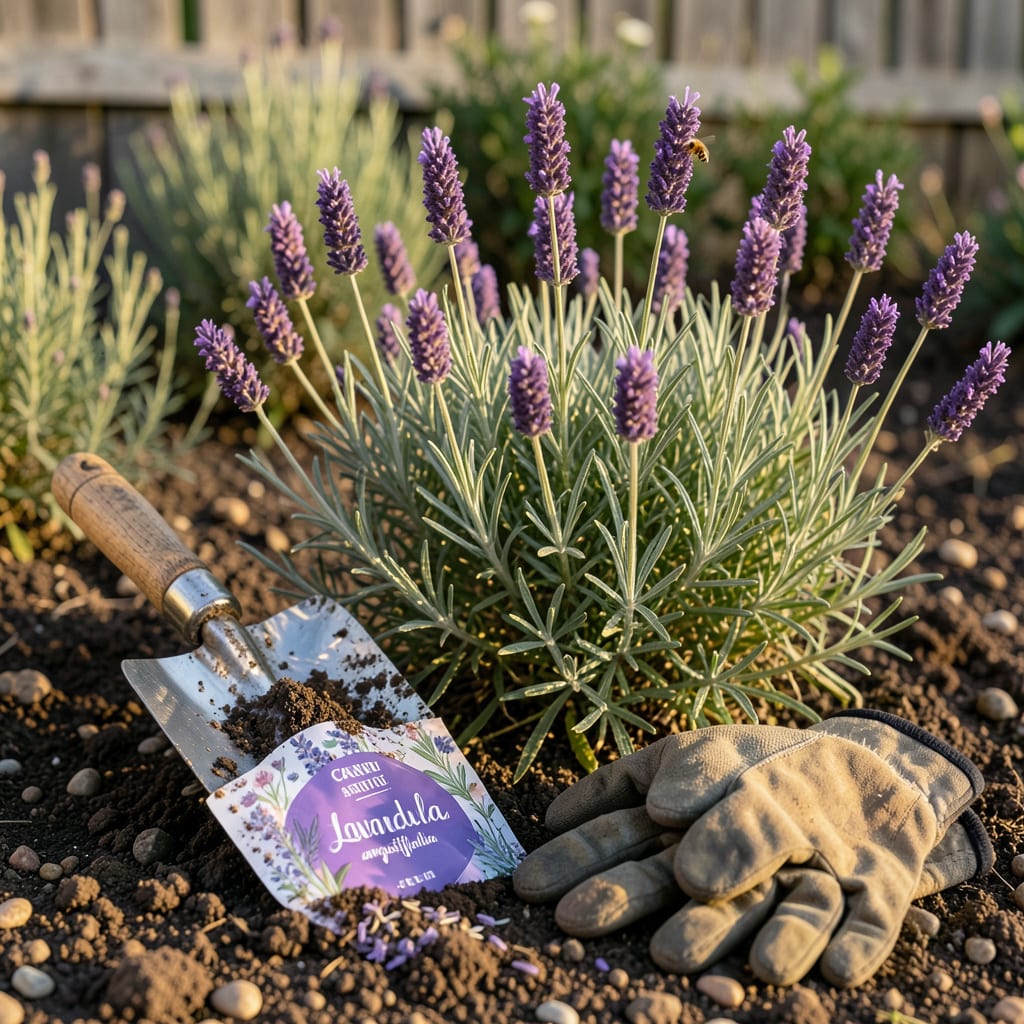
Timing can make or break your 🌿 lavender in Ohio—plant too soon, and late frosts might wipe out your efforts. Wait too long, and harsh winters could stunt growth before roots establish. I’ve seen both scenarios play out, and the difference comes down to just a few critical weeks.
After testing different approaches in Zone 6, I’ll show you the perfect windows for planting lavender here, plus how to work with Ohio’s clay soil and unpredictable weather. Let’s get those fragrant blooms thriving without the guesswork.
Ohio’s USDA Zones 5-6 give us two prime windows for lavender: spring (April-May) and early fall (September-October). The key? Soil temperature above 60°F—lavender roots won’t grow in cold ground. I’ve had the best luck with fall planting, as it gives roots time to establish before winter dormancy.
Spring planting works too, but avoid Ohio’s late frosts (common through early May). If you plant in spring, aim for after April 30—our average last frost date. Fall plantings should wrap up by October 15 to avoid first frosts. Both windows work, but fall often yields hardier plants the following year.
| Season | Ideal Months | Soil Temp | Pros | Cons |
|---|---|---|---|---|
| Spring | April-May | 60°F+ | Long growing season | Late frost risk |
| Fall | Sept-Oct | 60°F+ | Stronger root growth | Less time to bloom |
Based on Ohio State University Extension guidelines for Zone 6 lavender planting.
For Zone 5 areas (northern Ohio), I’d lean toward late spring planting (May) to avoid frost damage. In Zone 6 (southern Ohio), you can push fall plantings into early October. Always check your local frost dates—they can vary by 2-3 weeks across the state.
Soil prep timing matters too. If planting in spring, amend beds in March so soil warms faster. For fall, prep beds by late August to ensure good drainage before planting. Lavender hates wet feet, especially in Ohio’s clay-heavy soil.
I’ve found ‘Munstead’ and ‘Hidcote’ varieties thrive best in Ohio. They’re cold-hardy to Zone 5 and handle our humidity better than other types. Plant these in full sun (6+ hours daily) and well-draining soil for best results.
If you miss the ideal windows, don’t panic. Container-grown lavender can be planted anytime during the growing season, but you’ll need to water more frequently the first month. Just avoid planting during July-August heatwaves—stress from transplanting + heat often leads to failure.
Pro tip: Use a soil thermometer to check temps at 4-inch depth. When it hits 60°F consistently, you’re good to plant. This simple step has saved me from multiple failed plantings when weather forecasts were unreliable.
Remember, microclimates matter in Ohio. Urban gardens (like Columbus or Cincinnati) may have warmer soil earlier in spring, while rural areas (especially near Lake Erie) stay cooler longer. Adjust your timing based on your specific location’s conditions.
Finally, if you’re planting multiple lavender plants, space them 2-3 feet apart for airflow. This prevents humidity-related issues like root rot or powdery mildew, which are common in Ohio’s summers. With the right timing and prep, your lavender will thrive for years! 🌿
Even experienced gardeners can mess up lavender timing in Ohio. I’ve seen healthy plants die overnight from simple mistakes like planting during a late cold snap or ignoring soil temps. Let’s break down the five most common timing errors—so you can avoid them.
First, planting too early in spring is the #1 killer. Ohio’s last frost date (April 30) is just an average—some years, we get frosts into mid-May. Lavender seedlings can’t handle temps below 32°F, so always check the 10-day forecast before planting.
Avoid these, and you’ll triple your lavender survival rate in Ohio!
Another big mistake? Assuming all Ohio zones are equal. Northern Ohio (Zone 5) has a shorter growing season than southern Ohio (Zone 6). If you’re in Cleveland, stick to May planting. In Cincinnati, you can push fall plantings into early October.
Overwatering after planting is a silent killer. New lavender needs consistent moisture the first month, but never soggy soil. I water deeply once a week unless we get rain. After establishment, lavender thrives on neglect—too much care actually harms it.
Here’s a pro tip: Watch the weather, not just the calendar. Ohio’s springs are unpredictable. I use the Ohio State University Extension’s frost maps and cross-check with my local weather station. If a late frost is forecasted after you’ve planted, cover seedlings with frost cloth—not plastic.
Finally, don’t plant lavender in summer unless it’s in a container. The combination of heat stress and transplant shock is almost always fatal. If you miss spring/fall windows, grow lavender in pots until the next ideal planting time. Your patience will pay off with healthier, longer-lived plants.
Remember, lavender is a Mediterranean plant—it thrives in hot, dry conditions. Ohio’s humidity and clay soil are its biggest challenges. By avoiding these timing mistakes and focusing on proper drainage and sun exposure, you’ll set your lavender up for years of fragrant blooms. 🌿
Ohio’s clay-heavy soil is lavender’s worst enemy—it holds moisture and suffocates roots. I’ve learned the hard way that soil prep timing is just as critical as planting timing. Start amending your beds 4-6 weeks before planting to give amendments time to integrate.
The goal? Create fast-draining, slightly alkaline soil (pH 6.5–7.5). I mix in 50% coarse sand or fine gravel with 30% compost and 20% native soil. For existing beds, work in 2-3 inches of organic matter annually to maintain drainage.
6 Weeks Before Planting: Test soil pH (aim for 6.5–7.5). Add lime if too acidic.
4 Weeks Before: Mix in coarse sand/gravel (50%) + compost (30%) to improve drainage.
2 Weeks Before: Rake bed smooth and let settle. Avoid compacting soil.
Planting Day: Dig holes twice as wide as root balls. Add 1 tbsp bone meal per hole for root growth.
For container planting, use a mix of 60% potting soil, 30% perlite, and 10% coarse sand. Ohio’s humidity means containers need extra drainage holes—I drill 3-4 holes in the bottom of my pots to prevent root rot.
If your soil is extremely compacted, consider raised beds (at least 12 inches deep). Fill with the sand/compost mix above, and add 1 inch of gravel at the bottom. This mimics lavender’s native Mediterranean conditions and prevents waterlogging during Ohio’s rainy springs.
Don’t skip the soil test! Ohio State University Extension offers low-cost tests ($15–$20) that reveal your soil’s pH and nutrient levels. I test every 2-3 years—it’s saved me from over-amending. For a quick DIY test, mix soil with vinegar (fizz = alkaline) or baking soda (fizz = acidic).
After planting, add 2 inches of gravel mulch around (not touching) the base. This reduces humidity around the stems and deters weeds. Avoid organic mulches like wood chips—they retain moisture and can rot lavender stems in Ohio’s damp climate. 🌱
Fall is often the best choice because it gives roots time to establish before winter dormancy. Plant 6-8 weeks before the first frost (around September-October). Spring works too, but wait until after the last frost date (April 30) to avoid cold damage.
It’s risky due to heat stress and transplant shock. If you must, choose container-grown plants and water deeply every 3-4 days for the first month. Avoid planting during July-August heatwaves—wait for milder weather in early fall instead.
Use a soil thermometer to check temps at 4-inch depth. Lavender needs soil above 60°F for root growth. In Ohio, this typically happens in late April for spring or early September for fall. A quick test: If bare soil feels warm to the touch, it’s likely ready.
Aim to finish planting by October 15 in most of Ohio. This gives roots 4-6 weeks to establish before the first frost. In Zone 6 (southern Ohio), you can push to early November, but northern areas (Zone 5) should stick to the earlier deadline.
Yes! Urban areas (like Columbus or Cincinnati) warm up 1-2 weeks earlier than rural zones due to heat islands. If you’re in a city, you can plant slightly earlier in spring. Rural areas, especially near Lake Erie, stay cooler longer—delay planting by 7-10 days to be safe.
