
Beautiful Plants For Your Interior
Beautiful Plants For Your Interior
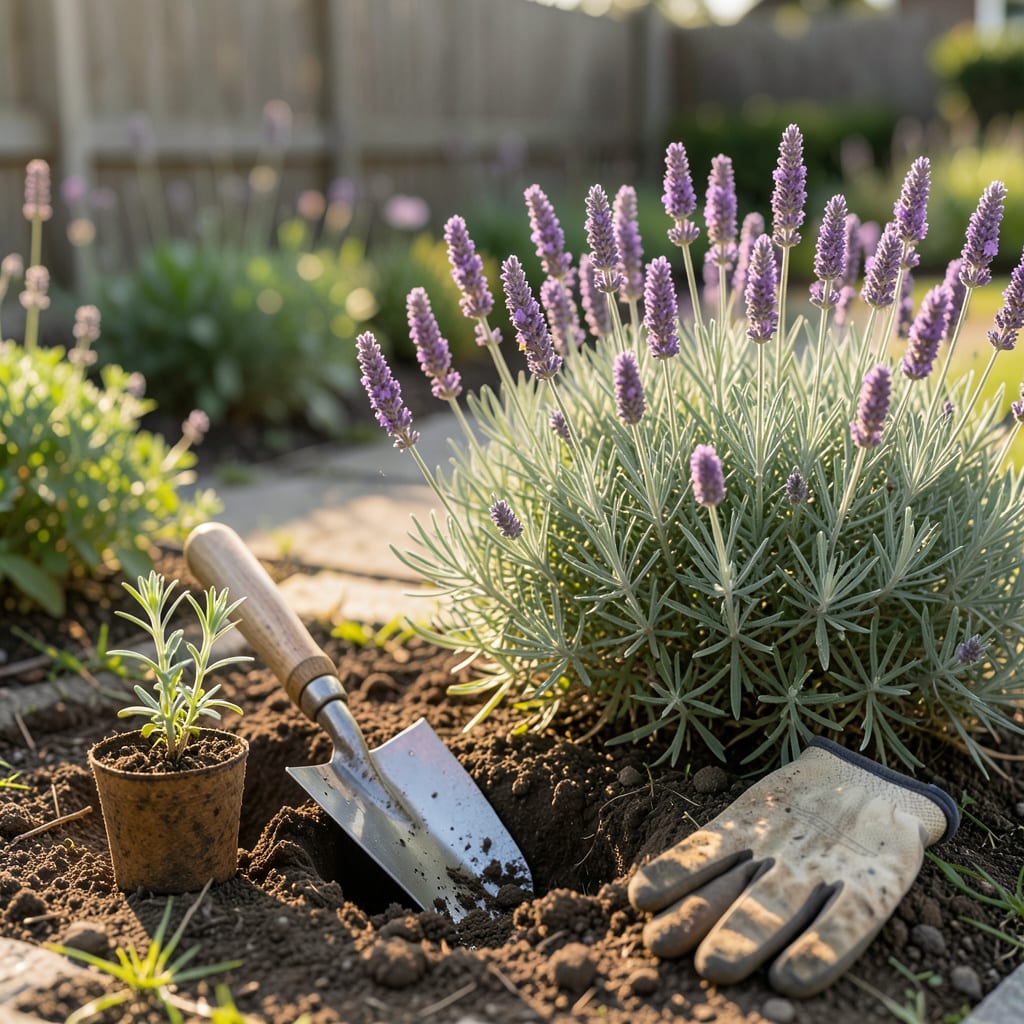
If you’ve ever dreamed of a garden filled with fragrant 🌿 Lavender but ended up with wilted stems instead, timing might be your missing piece. North Carolina’s climate throws curveballs—humid summers, unpredictable frosts—that can make or break your lavender’s success.
I’ve seen gardeners plant too early in spring or too late in fall, only to watch their lavender struggle. The good news? There’s a perfect window for NC’s zones, and I’ll show you exactly when to dig in for thriving blooms year after year.
North Carolina’s diverse climate means lavender planting times vary dramatically across the state. In the Coastal Plain, mild winters allow for earlier planting, while the Mountains demand patience until frost risks pass. Understanding your region’s last frost date is key.
For most of NC, spring planting (March–April) works best, but fall can also succeed if you time it right. The Piedmont region often hits the sweet spot—warm enough for roots to establish before summer heat. Let’s break down the ideal windows by zone.
| Region | Best Planting Window | Key Consideration |
|---|---|---|
| Coastal Plain | Early March–April | Avoid soggy soil; plant on raised mounds |
| Piedmont | Mid-March–late April | Watch for late frosts; mulch lightly |
| Mountains | Late April–May | Wait until soil reaches 60°F |
*Fall planting possible in all regions (September–October) if roots have 6+ weeks before frost.
In the Coastal Plain, you can push the envelope slightly earlier because winters are milder. I’ve successfully planted lavender in late February here—just ensure your soil isn’t waterlogged. The Piedmont’s clay-heavy soil benefits from amending with sand or gravel before planting.
The Mountain region is trickier. Lavender planted too early risks frost damage, so I recommend waiting until after April 15—the average last frost date for higher elevations. A soil thermometer is your best friend here; don’t plant until temps hit 60°F at 4-inch depth.
Fall planting can work statewide, but timing is critical. Aim for September–early October to give roots time to establish before winter. In my experience, ‘Munstead’ and ‘Hidcote’ varieties handle fall planting best due to their compact root systems.
Microclimates matter too. Urban areas like Raleigh or Charlotte may have slightly warmer pockets, allowing earlier planting. Conversely, low-lying areas prone to frost pockets should delay by 1–2 weeks. When in doubt, check your local USDA zone—NC spans 6a to 8b.
Pro tip: If you’re planting in containers, you can start earlier—just be ready to move pots indoors if a late frost threatens. Container-grown lavender also lets you control soil drainage more easily, which is crucial in NC’s humid summers.
Remember, lavender hates wet feet. In all regions, choose a south-facing slope or raised bed for best drainage. I’ve lost more lavender to soggy soil than to cold snaps—so when in doubt, prioritize drainage over early planting.
For those in the Coastal Plain, watch for hurricane season (June–November). Newly planted lavender can struggle with excessive rain. A light gravel mulch helps prevent root rot while allowing airflow—something I swear by for my coastal garden.
Finally, mark your calendar: March 15–April 15 is the goldilocks zone for most NC gardeners. Miss this window? Fall planting is your backup, but spring remains the safest bet for long-term success. 🌱
Planting lavender in North Carolina isn’t just about timing—it’s about preparing the right environment for this Mediterranean native to thrive in our humid climate. I’ve learned the hard way that even perfect timing fails if the site isn’t ideal. Let’s walk through the critical steps.
Start with site selection: Lavender demands full sun (6+ hours) and excellent drainage. In NC, our clay-heavy soils often need amending. I recommend testing your soil’s drainage by digging a 12-inch hole, filling it with water, and timing how long it takes to drain.
Never plant lavender in low-lying areas where water pools after rain. Our humid summers make root rot the #1 killer of lavender in NC. If your soil stays wet for more than 24 hours after rain, build a raised bed or plant on a slope.
For Piedmont gardeners, our clay soil is particularly problematic. Mix in 50% coarse sand or gravel and 20% compost to improve drainage while maintaining the alkaline pH lavender loves (aim for pH 6.5–7.5).
Once you’ve chosen your spot, prepare the soil properly. Dig a hole twice as wide as the root ball but no deeper. In the Mountain region, where soils tend to be more acidic, I add 1/2 cup lime to each planting hole to raise the pH slightly.
When planting, set the lavender so the top of the root ball sits 1 inch above the surrounding soil. This prevents water from pooling around the stem. Space plants 2–3 feet apart to allow for airflow, which helps combat our humid conditions.
After planting, water deeply once, then resist the urge to water again until the soil is completely dry. In NC’s climate, I’ve found that overwatering kills more lavender than drought. Mulch lightly with pebbles or gravel—never organic mulch, which holds too much moisture.
For Coastal NC gardeners, salt spray can be an issue. If you’re within 5 miles of the coast, consider planting lavender in containers you can move during storms. I use a mix of 50% potting soil and 50% perlite for container-grown lavender to ensure perfect drainage. 🌿
Not all lavender varieties handle North Carolina’s humidity and temperature swings equally. After testing dozens in my own garden, I’ve found three standout performers that consistently thrive across our state’s diverse climate zones. The key is matching the variety to your specific region’s conditions.
For Coastal NC, where humidity is highest, Spanish Lavender (Lavandula stoechas) outperforms others with its tolerance for moisture. In the Piedmont, classic English varieties like ‘Munstead’ dominate thanks to their cold hardiness. Let’s compare the top contenders.
| Variety | Best For | Planting Window | Key Trait |
|---|---|---|---|
| Munstead | Statewide | March–April | Cold hardy to Zone 5 |
| Grosso | Piedmont/Mountains | April–May | Tall spikes, heat tolerant |
| Spanish | Coastal Plain | Feb–March | Handles humidity best |
*Fall planting possible for all varieties in September–October with 6+ weeks before frost.
‘Munstead’ remains my top recommendation for most NC gardeners because it handles our Zone 6–8 winters beautifully. I plant mine in early April statewide, though Coastal gardeners can push to late March. Its compact size (18–24 inches) makes it ideal for small spaces or containers.
For those in the Mountains, ‘Grosso’ is a powerhouse. Its 3-foot spikes provide dramatic color, and it blooms later (July–August), avoiding late spring frosts. I’ve found it thrives when planted in late April after soil warms to 60°F—critical for higher elevations.
The Spanish Lavender is my secret weapon for Coastal NC. While other varieties struggle with our humidity, this one keeps blooming through summer. Plant it February–March in well-draining soil amended with extra perlite. The unique “rabbit ear” blooms add whimsy to gardens while resisting fungal issues common in our damp air.
Pro tip: If you’re in the Piedmont and want extended blooms, pair ‘Munstead’ (early summer) with ‘Grosso’ (late summer). This gives you 8+ weeks of lavender with proper succession planting. Just space them 3 feet apart for airflow—critical in our humid summers. 🌱
Fall can work if timed precisely—aim for September–early October to give roots 6+ weeks before frost. Coastal areas have more flexibility, while Mountain regions should stick to spring. Always monitor soil moisture, as fall rains can be excessive.
Test drainage by digging a 12-inch hole, filling it with water, and timing how long it takes to empty. If water remains after 24 hours, amend with 50% sand/gravel. NC’s clay-heavy soils often need this adjustment for lavender to thrive.
Containers let you control drainage and move plants during extreme weather. Use a mix of 50% potting soil and 50% perlite, and place in full sun. Coastal gardeners can start earlier—just protect from salt spray.
Overwatering and poor drainage are the top killers. Lavender thrives on neglect—water only when soil is completely dry. Avoid organic mulch; use gravel instead. Humidity makes fungal issues worse, so spacing plants 3 feet apart is critical.
