
Beautiful Plants For Your Interior
Beautiful Plants For Your Interior
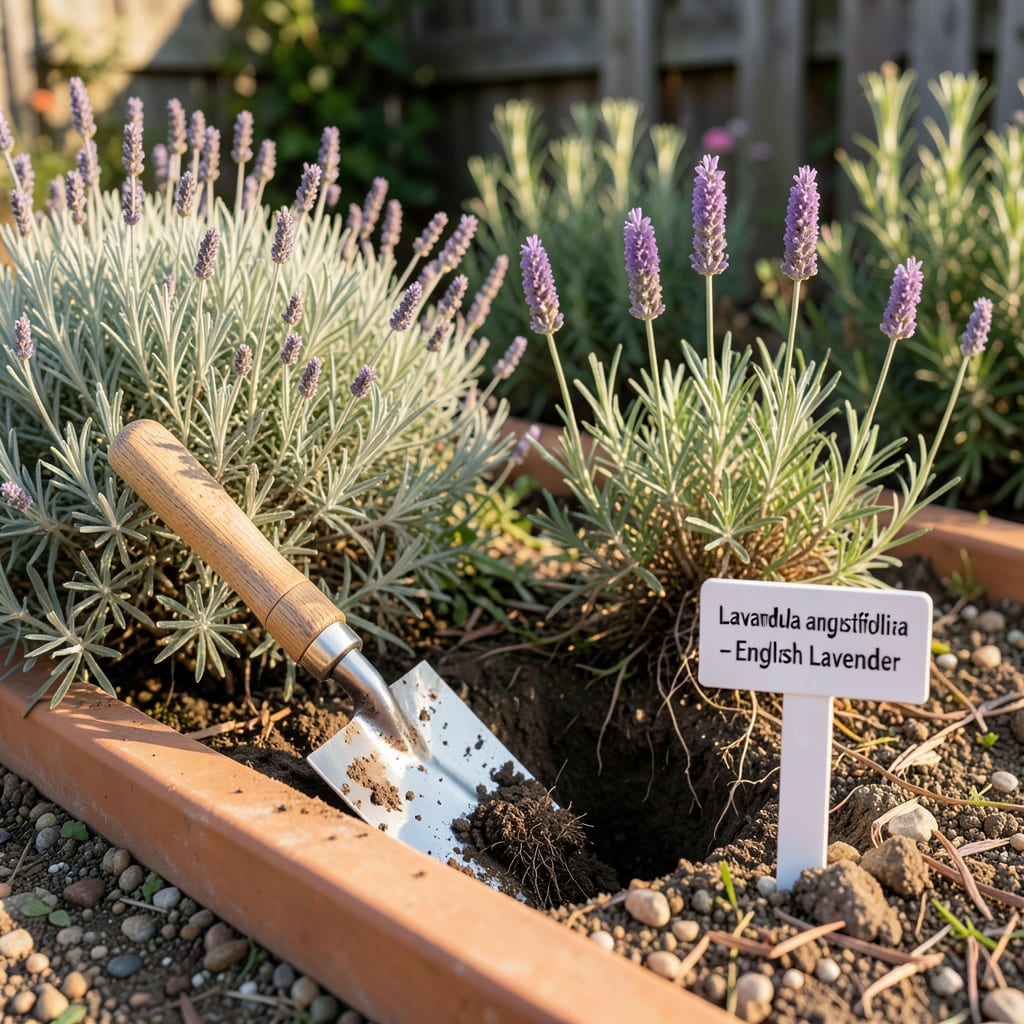
Dreaming of a garden filled with fragrant 💜 Lavender but worried Georgia’s unpredictable weather might ruin your plans? You’re not alone—many gardeners plant at the wrong time and watch their efforts wilt in the summer heat or freeze in late frost.
The secret lies in Georgia’s unique climate zones, where timing can mean the difference between thriving plants and a disappointing season. I’ll break down the perfect planting windows for Piedmont versus Coastal regions, so you can enjoy vibrant blooms without the guesswork.
If you’re dreaming of fragrant Piedmont lavender fields, timing is your secret weapon. Georgia’s Piedmont region—spanning USDA Zones 7a-8a—has a short spring window and a reliable fall season for planting. Miss these, and you’ll battle frost or scorching heat.
The ideal months are March-April (after the last frost) and September-October (before the first frost). But Atlanta’s urban heat islands and the foothills’ cooler pockets mean you’ll need to tweak timing based on your exact microclimate.
| Season | Best Months | Key Considerations |
|---|---|---|
| Early Spring | March-April | Plant 2-3 weeks after last frost (April 1 avg.). Soil temps should hit 60°F+. |
| Fall | September-October | Aim for 6+ weeks before first frost (Nov 15 avg.) to establish roots. |
| Varieties | ‘Munstead’, ‘Hidcote’ | Compact, heat-tolerant types thrive in Piedmont’s clay-heavy soil. |
Pro Tip: Amend soil with sand or gravel (50% mix) to improve drainage before planting.
In Atlanta’s urban core, heat radiates from pavement, so I recommend late March plantings to avoid unexpected late frosts. For the foothills near Dahlonega, wait until mid-April—those elevations stay cooler longer.
Fall planting often yields stronger roots because cooler temps reduce stress. But don’t plant after October 15—young lavender needs time to harden off before winter. I’ve seen November-planted lavender struggle to survive Piedmont’s occasional hard freezes.
Soil prep is non-negotiable here. Georgia’s red clay holds moisture, which lavender despises. I dig 12-inch-wide holes and mix in coarse sand or perlite (1:1 ratio with native soil). For extra insurance, plant on a slight mound to encourage runoff.
If you’re tempted to plant in summer, resist! Piedmont’s July-August heat (often 90°F+) stresses young plants. Even with shade cloth, survival rates drop. Stick to spring/fall and use mulch (gravel, not wood chips) to regulate soil temp.
For container lavender, Piedmont gardeners can start seeds indoors in February under grow lights. Transplant outdoors after hardening off in late April. Use terracotta pots—they wick away excess moisture better than plastic.
Watch the 10-day forecast before planting. If nighttime temps dip below 50°F, hold off. Lavender hates cold, wet feet. I lost a whole flat of ‘Provence’ lavender to a late April cold snap—learn from my mistake!
Finally, pair your lavender with drought-tolerant companions like Russian sage or sedum. They’ll thrive in the same well-draining, sunny spots and create a pollinator paradise. Now grab your trowel—it’s time to plant! 🌿
Coastal Georgia’s warmer winters and humid summers create a completely different lavender-planting calendar than the Piedmont. Here in Zones 8b-9a, you’ve got more flexibility—but also unique challenges like sandy soil and hurricane-season rains.
The best planting windows are October-November (for root establishment before winter) and February-March (to avoid summer’s peak heat). Unlike the Piedmont, coastal gardeners can often plant year-round—if they’re strategic about variety selection and soil prep.
| Factor | Coastal Georgia | Piedmont Georgia |
|---|---|---|
| Best Spring Months | February-March | March-April |
| Best Fall Months | October-November | September-October |
| Last Frost Date | February 15 (Zone 9a) | April 1 (Zone 8a) |
| Top Varieties | ‘Grosso’, ‘Spanish’ | ‘Munstead’, ‘Hidcote’ |
| Soil Challenge | Fast-draining sand | Heavy clay |
Coastal Tip: Add composted pine bark (20%) to sandy soil to improve moisture retention without waterlogging.
Coastal gardeners can push the envelope with winter plantings (December-January) if using established nursery plants. The key? Choose larger 1-gallon pots and mulch with gravel to protect roots from sudden temperature swings. I’ve had great success with ‘Spanish lavender’ planted in December—it’s more heat-tolerant than English varieties.
The biggest coastal challenge is hurricane season (June-November). Young lavender plants can’t handle saturated soil from tropical storms. If planting in fall, elevate beds 6-8 inches and ensure slopes for drainage. After heavy rains, check roots—if they smell sour, you’ve got root rot starting.
For summer plantings (not ideal but sometimes necessary), opt for ‘Grosso’ lavender—it handles humidity better than most. Plant in late afternoon to reduce transplant shock, and water daily for the first week (then taper off). Use 30% shade cloth for the first month if temps exceed 90°F.
Coastal soils drain too fast for lavender’s liking. I mix 1 part native sand with 1 part garden soil and 1 part compost for the perfect balance. Avoid peat moss—it compacts in salt-air environments. For container growing, add hydroton clay pellets to the bottom of pots for extra drainage.
Pair coastal lavender with native companions like beach sunflower or sea oats. These thrive in the same sandy, sunny conditions and create a low-maintenance pollinator haven. Just keep everything 2 feet apart—lavender hates crowding! 🌻
Even with perfect timing, your lavender can fail if you overlook these common Georgia-specific pitfalls. I’ve seen gardeners lose entire plantings to simple errors—don’t let it happen to you! The key is understanding how Georgia’s clay soils, humidity, and temperature swings affect lavender.
First up: ignoring soil pH. Lavender demands alkaline soil (pH 6.5–7.5), but most Georgia gardens test acidic (pH 5.0–6.0). Skipping a soil test is like planting blindfolded. I always amend with lime (1 cup per plant) or wood ash before planting to hit that sweet spot.
Emergency Rescue: If your lavender’s wilting, check roots—black/mushy = rot; dry/brittle = underwatering.
The second deadly mistake? Planting too deep. Lavender stems need air circulation to prevent fungal diseases—especially in Georgia’s humid summers. I bury only the root ball, leaving 1–2 inches of stem above soil. In coastal areas, add a 1-inch gravel ring around the base to deflect splashing sand.
Finally, neglecting pruning is a slow death sentence. Georgia’s long growing season means lavender grows leggy without shaping. I prune twice yearly: early spring (remove 1/3 of growth) and post-harvest (trim spent blooms). Never cut into woody stems—that’s the point of no return for many plants.
Bonus pro tip: Skip the fertilizer! Georgia’s natural soil fertility is often enough. If you must feed, use a 5-10-10 blend (1 tbsp per plant) in March and September. Over-fertilizing = weak stems + fewer blooms. I learned this the hard way after my ‘Provence’ lavender flopped over like overcooked noodles! 🌿
Fall is often ideal for Atlanta’s Zone 8a climate. The cooler temps and consistent moisture help roots establish before winter. Spring works too, but you’ll need to monitor for late frosts (as late as April 1).
Avoid summer planting if possible—90°F+ temps stress young plants. If you must, choose heat-tolerant varieties like ‘Grosso’, plant in late afternoon, and use 30% shade cloth for the first month.
Amend heavy clay with 50% coarse sand or gravel and plant on a 6-inch mound to improve drainage. A soil test is key—lavender thrives in pH 6.5–7.5, so add lime if your soil is acidic.
For Piedmont, try ‘Munstead’ or ‘Hidcote’—they’re compact and heat-tolerant. Coastal gardeners should opt for ‘Spanish’ or ‘Grosso’, which handle humidity and sandy soil better.
