
Beautiful Plants For Your Interior
Beautiful Plants For Your Interior
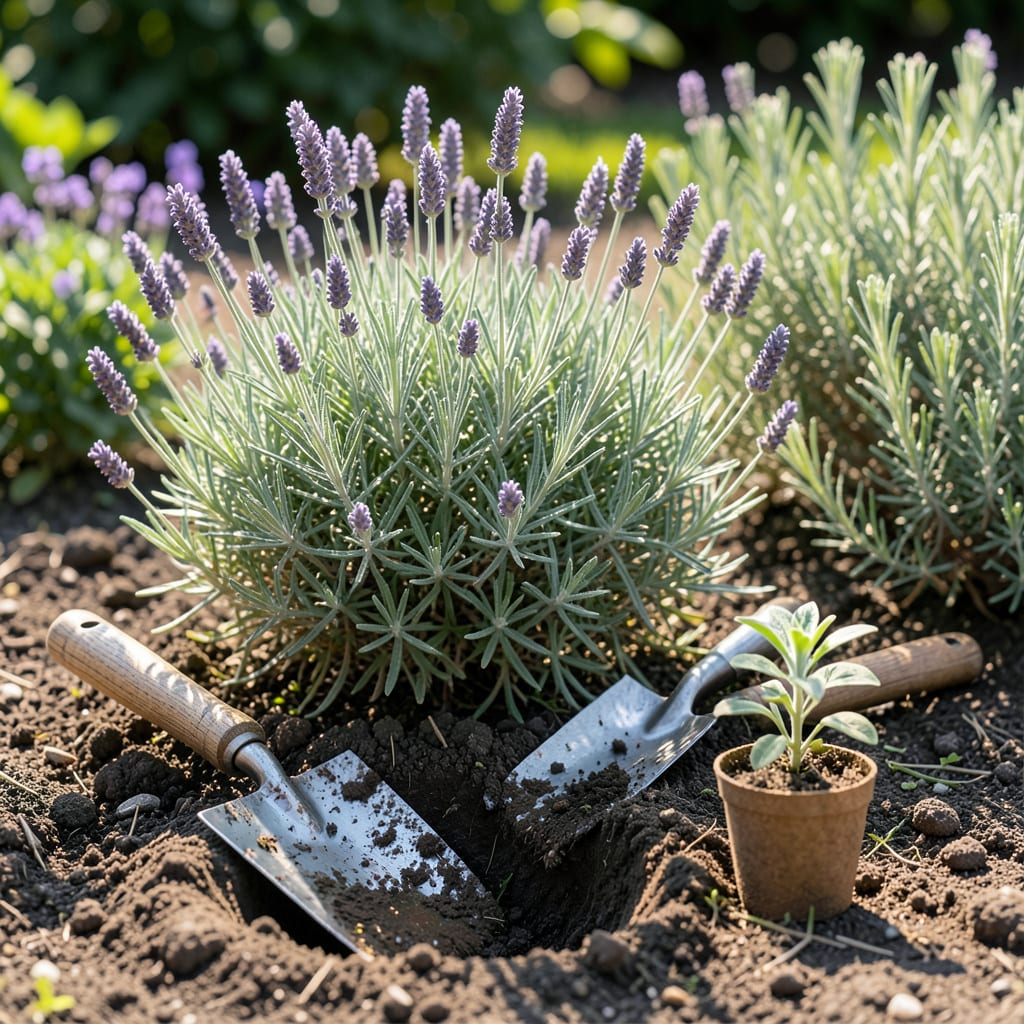
California’s diverse climates can make planting 🌱 lavender feel like a guessing game—coastal gardeners and inland growers can’t follow the same rules. What works in foggy San Francisco might fail in sun-drenched Sacramento, and timing is everything for those fragrant purple spikes.
I’ve tested lavender planting across the state, and the differences are striking. Whether you’re in Zone 7 or Zone 11, I’ll show you exactly when to plant for thriving lavender—plus the soil secrets that make all the difference. Let’s get your garden smelling like Provence.
If you’re wondering when to plant lavender in California, the answer depends entirely on where you live. Our state’s dramatic microclimates—from foggy coastal zones to scorching inland valleys—mean lavender thrives in different windows. I’ll break down the perfect timing for your region.
Lavender loves Mediterranean conditions, making California ideal—but timing varies. Coastal gardeners (Zones 9-11) should plant in early spring (March-April) to avoid summer fog. Inland growers (Zones 7-9) can push planting to late spring (April-May) or even early fall.
For coastal California, that March-April window is crucial. The cool ocean influence means slower soil warming, so planting early gives roots time to establish before summer fog rolls in. I’ve found English lavender varieties like ‘Munstead’ perform best here.
Inland gardeners have more flexibility. The April-May spring planting works well, but don’t overlook September-October. Fall planting lets lavender develop roots during cooler months, reducing heat stress. Just ensure plants get 6+ hours of sun daily.
Desert regions require special attention. The extreme heat means planting in fall (Oct-Nov) or late winter (Feb-March) is essential. Spanish lavender varieties with their silver foliage handle desert conditions better than most.
No matter your zone, always check soil temperature—lavender needs 60°F minimum to thrive. Use a soil thermometer for accuracy. And remember: well-draining soil is non-negotiable across all California regions.
Pro tip: If you’re in a microclimate (like San Francisco’s Sunset District), adjust timing by 2-3 weeks. When in doubt, spring planting is safest. Your lavender will reward you with fragrant blooms for years with proper timing! 🌿
For container planting, you can extend windows slightly—just protect pots from intense sun in hot regions. I’ve successfully planted lavender in December in containers along the coast, but ground planting needs those ideal windows.
Watch for late frosts in Zone 7 areas—cover young plants if temps drop below 28°F. Coastal gardeners rarely face this issue, but inland and mountain regions should have frost cloth ready just in case. ☀️
Getting the planting timing right is just the first step—California’s unique conditions mean you need to master five key factors for lavender success. I’ve seen even perfectly timed plantings fail when these elements aren’t addressed, especially our soil challenges and watering quirks.
The soil temperature threshold of 60°F is non-negotiable. Lavender’s Mediterranean roots mean it hates cold feet, so I always recommend using a soil thermometer before planting. Coastal areas often need to wait until late March, while inland zones might hit this mark by early April.
Must be ≥60°F for 2+ weeks. Use a thermometer at 2-inch depth.
Amend clay soils with pumice or coarse sand (50/50 mix).
6-8 hours minimum. Coastal gardens may need reflective mulch.
Deep weekly first year, then drought-tolerant. Avoid overhead watering.
San Francisco’s Sunset District? Add 2 weeks. Sacramento? Plant 1 week earlier.
Inland California’s clay soils are lavender’s worst enemy. I recommend creating raised mounds (12-18″ high) with a mix of native soil, coarse sand, and compost (3:1:1 ratio). This prevents root rot while maintaining the alkaline pH (7.0-8.0) that lavender craves.
Watering is where most California gardeners go wrong. Lavender needs deep but infrequent watering—think 1 inch per week during establishment, then taper off. Coastal areas should watch for fungal issues from humidity; I use drip irrigation on a timer for precision. Inland gardeners can often get away with hand watering twice weekly.
The sun exposure rule is simple: more is better. Lavender needs full sun (6+ hours) to produce those iconic purple spikes. In foggy coastal areas, I position plants near south-facing walls or use light-colored mulch to reflect extra light. Inland gardens should provide afternoon shade in zones with 100°F+ summers.
Don’t overlook air circulation—this is critical in humid coastal zones. Space plants 24-36 inches apart to prevent mildew. I’ve lost entire lavender hedges to poor airflow in my early gardening days. Prune annually in late summer to maintain shape and airflow, removing no more than 1/3 of growth at a time. ✂️
Finally, remember that variety selection impacts all these factors. English lavender (Lavandula angustifolia) handles coastal conditions best, while Spanish lavender (Lavandula stoechas) thrives in hot inland areas. Match your variety to your microclimate for the easiest success—your nose will thank you come bloom time! 🌿
Not all lavender thrives equally across California’s diverse climates. The secret to success lies in matching the right lavender variety to your specific region. I’ve tested dozens of cultivars statewide, and some perform dramatically better than others in our unique microclimates.
Coastal gardeners should focus on English lavender varieties like ‘Munstead’ or ‘Hidcote’ that tolerate humidity. These compact varieties handle the summer fog and cooler temperatures better than their Mediterranean cousins. Inland growers have more options but should prioritize heat-tolerant Spanish or Grosso types.
For coastal California, I recommend starting with ‘Hidcote’—its compact size (12-18″) makes it perfect for small gardens and containers. The dark purple blooms appear earlier than other varieties, giving you color when summer fog might delay other plants. Plant these in raised beds to improve drainage.
Inland gardeners should consider ‘Grosso’ for its exceptional heat tolerance and long bloom period. This hybrid handles Zone 7-10 conditions beautifully, producing those iconic lavender wands from July through September. The fall planting window (September-October) works particularly well for this variety in hotter regions.
Desert dwellers will find ‘Provence’ lavender most reliable. Its silver-gray foliage reflects sunlight, reducing water needs by up to 30%. I’ve seen these thrive in Palm Springs with just monthly deep watering once established. The late fall planting (October-November) gives roots time to establish before summer’s extreme heat.
Remember that container planting gives you more flexibility with varieties. I’ve successfully grown Spanish lavender in pots along the coast by using extra-gritty soil mixes and moving containers to follow the sun. Just ensure pots have drainage holes and use terracotta to wick away excess moisture. 🪴
Fall planting works beautifully in inland and desert regions (Zones 7-10) where roots establish during cooler months. Coastal areas (Zones 9-11) often do better with spring planting to avoid winter wetness. Always check soil temperature—it should stay above 60°F for success.
Containers give you flexibility to move plants for optimal sun. Use terracotta pots with drainage holes and a gritty soil mix (50% pumice/sand). Coastal gardeners can plant anytime, while inland growers should avoid peak summer heat. Water when the top 2 inches feel dry.
Use a soil thermometer at 2-inch depth—lavender needs consistent 60°F+ temperatures. Coastal areas often reach this in late March, while inland zones may hit it by early April. If your soil feels cold to touch, wait another week and retest.
English lavender (especially ‘Munstead’ or ‘Hidcote’) thrives in coastal zones. Their compact size and early blooming help them perform despite summer fog. Plant in raised beds for better drainage, and position near south-facing walls to maximize sunlight.
Overwatering is the #1 killer, especially in clay soils. Lavender needs deep but infrequent watering—1 inch weekly during establishment, then taper off. Always amend heavy soils with coarse sand or pumice (50/50 mix) to prevent root rot.
