
Beautiful Plants For Your Interior
Beautiful Plants For Your Interior
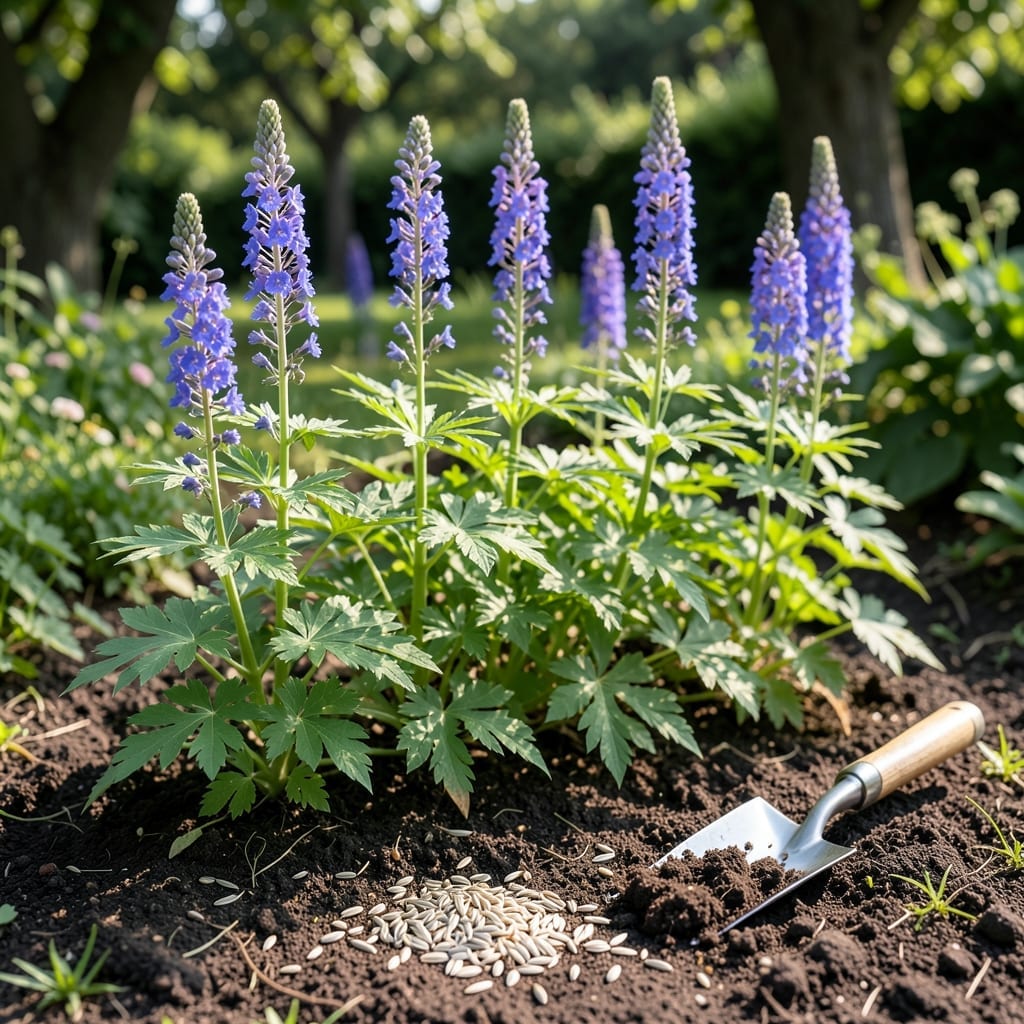
Timing is everything when planting Larkspur seeds in Texas—get it right, and you’ll enjoy stunning, tall blooms that thrive in the Lone Star State’s unique climate.
I’ve learned the hard way that fall planting often yields the best results, especially in our unpredictable weather. The key is working with Texas’s seasons, not against them.
Whether you’re in Zone 8a or another part of the state, the window for success is narrower than you might think. Miss it, and you could be left with sparse or struggling plants.
Let me share the exact timing and techniques I use to ensure vibrant 🌸 Larkspur blooms year after year. It’s simpler than you’d expect.
Texas spans USDA zones 6-10, creating varied planting windows for larkspur seeds. In cooler zones like 6 and 7, aim for early fall or late winter sowing to avoid extreme heat. 🌱
The optimal timing aligns with frost dates. For most of Texas, September to November or February to March works best, letting seeds establish before summer heat or winter cold. 🌿
In zone 8a (Dallas, Austin), I recommend October planting for spring blooms. The mild winters allow seeds to germinate without stress, and you’ll see strong stems by March. ☀️
For zone 9 (Houston, San Antonio), November to December is ideal. The cooler soil helps prevent premature sprouting, and plants will thrive before summer heat arrives. 💧
Gardeners in zone 10 (Brownsville) should plant in December or January. Larkspur needs cool temperatures to germinate, so winter sowing mimics its native climate. 🌱
If you’re in zone 6 (Amarillo), stick to September or March. The shorter growing season means you must avoid frost damage to young seedlings. 🌿
Always check your local frost dates. Larkspur is cold-hardy but not frost-proof. In North Texas, the last frost is typically mid-March, so plan accordingly. ✂️
For South Texas, the first frost often hits in November. Planting in late fall ensures your larkspur gets the cool period it needs without summer heat stress. 🌻
Remember, soil temperature matters more than air temperature. Larkspur seeds germinate best in 55-65°F soil, which aligns with Texas’ fall and winter conditions in most zones. 🌷
Planting larkspur seeds in Texas requires careful timing, but soil preparation is just as critical. I always start by ensuring my garden beds have well-draining soil to prevent waterlogging, which larkspurs hate.
Mix in compost or sand if your Texas soil is heavy clay. This improves drainage and gives your larkspur seeds the best chance to thrive in our unique climate. ✂️
Texas heat can be brutal, so I adjust my planting schedule based on region. In North Texas, I plant in early fall or late winter to avoid extremes.
For Central Texas, September to November works best, while South Texas gardeners can plant as late as December. Always check your local frost dates for precision.
Once planted, keep the soil consistently moist but not soggy. I use a spray bottle for gentle watering until seedlings emerge. Morning watering helps prevent fungal issues in our humid climate. 💧
Finally, thin seedlings to 12-18 inches apart once they’re 2-3 inches tall. This gives them room to grow into those stunning tall spikes Texas gardens are known for.
Remember, larkspurs prefer cooler temps, so timing your planting right means less maintenance and more vibrant blooms come spring. 🌷