
Beautiful Plants For Your Interior
Beautiful Plants For Your Interior
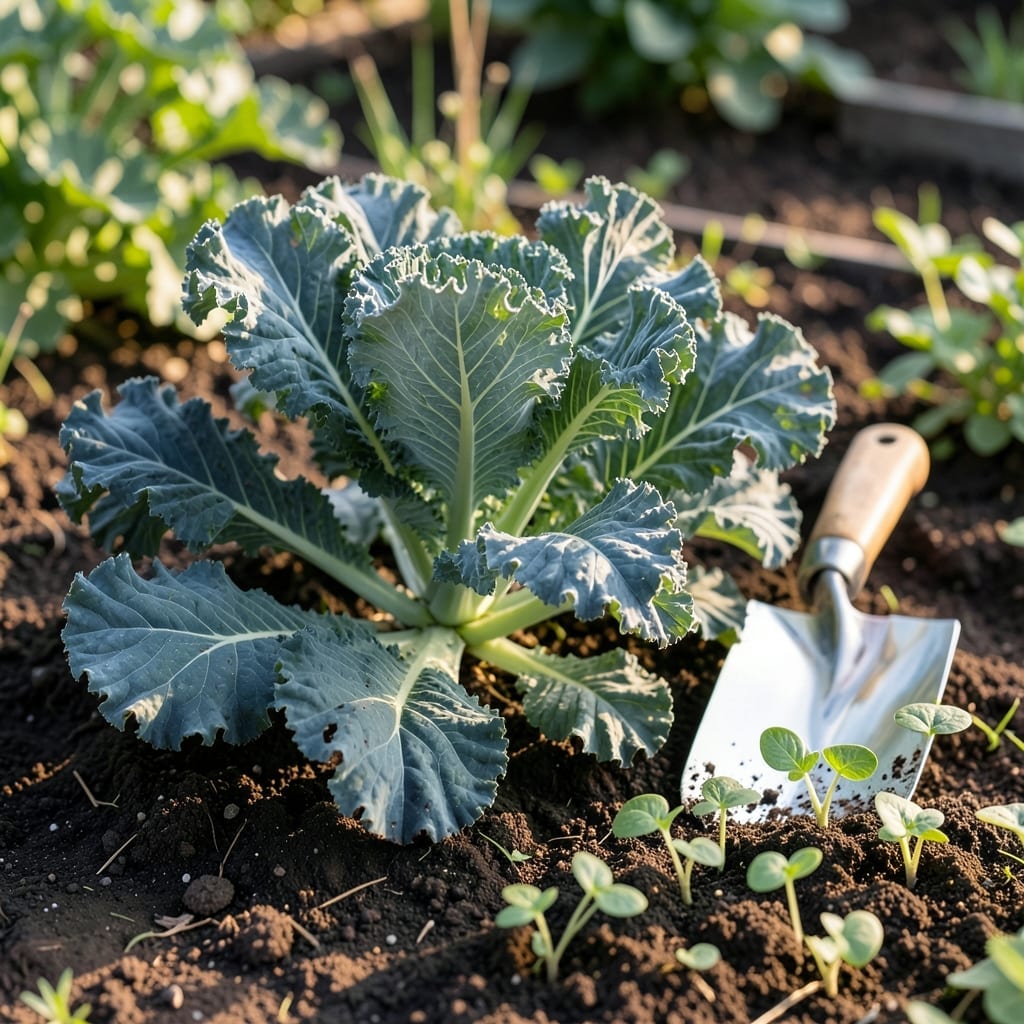
Timing is everything when growing Kale 🥬 in South Carolina’s Zone 8a climate. Plant too early or too late, and you risk poor yields—or worse, a failed crop.
Here in South Carolina, our unique climate offers two prime windows for planting this hardy green. Spring and fall both present ideal conditions, but getting the timing right is crucial.
I’ve learned through experience that aligning your planting with our last frost date in spring and first frost in fall makes all the difference. It’s not just about when to start—it’s about setting your Kale up for success from day one.
Let me walk you through the exact timing and regional tips that will help your garden thrive. You’ll discover how to make the most of South Carolina’s growing seasons.
In South Carolina’s Zone 8, kale thrives when planted during two key windows. The spring planting season runs from February to March, while the fall window spans August to September. These periods align with the region’s last frost date and soil temperature needs 🌱
Kale prefers soil temperatures between 40-75°F and can tolerate light frosts, making it ideal for SC’s mild winters and early springs. For best results, sow seeds 4-6 weeks before the last frost in spring or 6-8 weeks before the first fall frost.
| Season | Planting Window | Key Consideration |
|---|---|---|
| Spring | February – March | Plant 4-6 weeks before last frost |
| Fall | August – September | Sow 6-8 weeks before first frost |
| Soil Temp | 40-75°F | Ideal for germination |
For coastal regions, you may start seeds 2-3 weeks earlier due to milder winters. Inland areas should stick to the standard timeline to avoid late frosts. Winterbor and Lacinato are excellent cold-hardy varieties for SC’s climate.
In early spring, focus on soil preparation. Kale prefers well-draining soil rich in organic matter. Work in compost or aged manure before planting to boost fertility and drainage.
For fall plantings, start seeds indoors if temperatures exceed 80°F. Transplant seedlings when daytime temps drop below 75°F. This prevents heat stress and ensures strong establishment before winter.
Monitor weather forecasts closely. If an unexpected frost threatens, use row covers or cloches to protect young plants. Kale’s frost tolerance improves as it matures, but early protection is key.
Succession planting can extend your harvest. Sow new seeds every 2-3 weeks during the planting windows to ensure a continuous supply of fresh leaves.
Spacing matters for healthy growth. Plant seeds ½ inch deep and 1 inch apart, thinning to 12-18 inches once seedlings emerge. This prevents overcrowding and promotes strong air circulation.
Finally, keep the soil consistently moist but not soggy. Water deeply once or twice weekly, depending on rainfall. Mulching around plants helps retain moisture and suppress weeds, giving your kale the best start in SC’s variable climate 🌿
To maximize your kale harvest in South Carolina, I recommend using succession planting. Sow new seeds every 2-3 weeks during the spring and fall windows. This ensures a steady supply of fresh leaves as older plants mature.
Another game-changer is using row covers or cold frames. These protect young plants from unexpected frosts in early spring or late fall. They also shield against pests like aphids and cabbage worms without chemicals.
For coastal gardeners, the growing season can be longer due to milder winters. You can often start seeds in January and continue planting through October with proper protection. Inland areas should stick to the standard timeline.
I’ve found that Winterbor and Lacinato kale varieties handle SC’s temperature swings best. They tolerate both light frosts and heat spikes better than other types. Plant these for the most reliable harvests.
Don’t forget to rotate crops to prevent soil-borne diseases. Avoid planting kale or other brassicas in the same spot more than once every 3 years. This keeps your soil healthy and productive.
With these strategies, you can enjoy fresh kale from your garden for up to 8 months of the year in South Carolina. The key is staying flexible and responding to our ever-changing weather 🌱