
Beautiful Plants For Your Interior
Beautiful Plants For Your Interior
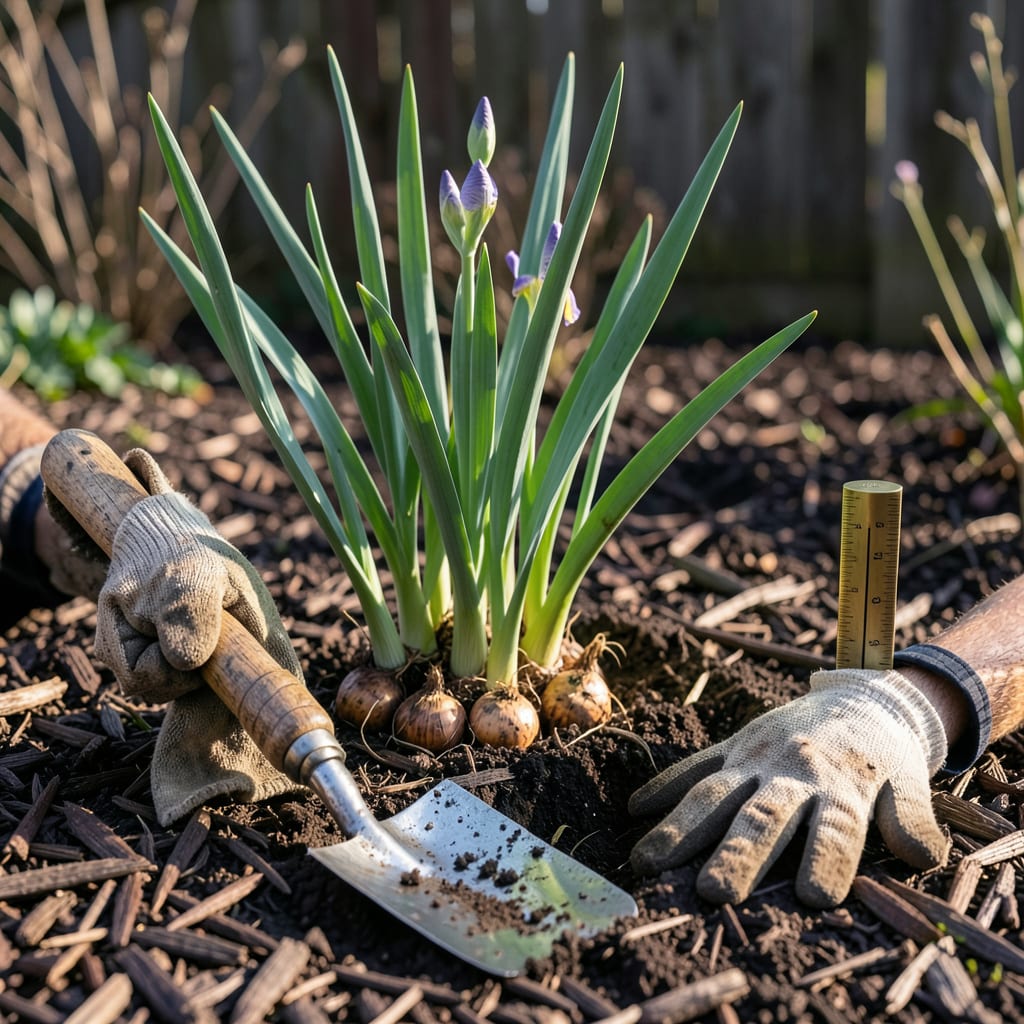
That first glimpse of vibrant 🌸 Iris blooms in spring makes every Texas gardener’s effort worthwhile—but timing your planting wrong could leave you with lackluster results. I’ve seen too many well-intentioned gardeners plant too early or too late, only to watch their bulbs struggle or fail entirely.
The secret lies in Texas’ fall window, where a few weeks can mean the difference between thriving roots and disappointment. Let me break down exactly when to get those bulbs in the ground across our diverse zones—so you’re rewarded with a showstopping display come March.
If you’re dreaming of vibrant spring irises in your Texas garden, timing your bulb planting is non-negotiable. Texas spans USDA zones 6a-9b, meaning what works in Dallas won’t fly in Houston. The golden rule? Aim for fall planting when soil temps dip below 60°F.
In North Texas (zones 6-7), your window is September-October. Further south (zones 8-9), you’ve got until November. Why fall? It gives bulbs time to establish roots before winter dormancy, ensuring those iconic spring blooms you’re after. 🌸
| Region | USDA Zones | Ideal Planting Months | Soil Temp Threshold | Notes |
|---|---|---|---|---|
| North Texas | 6a-7b | September-October | Below 60°F | Earlier planting avoids sudden freezes. |
| Central Texas | 8a-8b | October-November | Below 65°F | Watch for late heatwaves; mulch heavily. |
| South Texas | 9a-9b | November-December | Below 70°F | Plant later to avoid summer-like heat. |
In North Texas, like Amarillo or Fort Worth, I’d mark my calendar for late September. The goal is to get bulbs in the ground 4-6 weeks before the first frost (usually mid-November). This gives roots enough time to anchor before winter hits.
For Central Texas gardeners in Austin or San Antonio, October is your sweet spot. The soil stays warmer longer here, so don’t rush it. If you plant too early, bulbs might sprout prematurely and get zapped by a late Texas heatwave. 🌡️
Down in South Texas—think Corpus Christi or Brownsville—you’ve got the luxury of waiting until November or even December. Your bigger challenge? Ensuring bulbs get enough chill hours (many irises need 10-12 weeks below 40°F to bloom well).
No matter your region, soil prep is key. Irises despise soggy feet, so if you’ve got clay-heavy Texas soil, amend it with compost or sand to improve drainage. A sunny spot (6+ hours of light) is non-negotiable for those show-stopping blooms.
Pro tip: After planting, water deeply once to settle the soil, then hold off unless you’re in a drought. Overwatering is the fastest way to rot your bulbs before they even get started. Mulch with 2-3 inches of straw to insulate against temperature swings.
If you’re in a mild winter zone (like the Gulf Coast), you might even sneak in a late December planting. Just don’t wait too long—bulbs need time to root before spring. And remember: bearded irises (the most popular type) thrive in Texas if you nail the timing. 🌿
Still unsure? Grab a soil thermometer—when your dirt hits that 60°F magic number, it’s go time. Or check your local county extension office for hyper-local advice. Texas weather loves keeping us on our toes, but with this timing, you’ll be rewarded with gorgeous irises come spring!
Once you’ve nailed the perfect fall timing for your Texas region, it’s all about the how. I’ve planted hundreds of iris bulbs over the years, and the difference between “meh” and “wow” often comes down to these critical steps. Let’s dig in—literally! 🌱
Start by scouting your garden for the sunniest spot—irises demand 6+ hours of direct light daily. In Texas’ brutal summers, a little afternoon shade won’t hurt, but don’t skimp on the sun. Next, test your soil’s drainage: Dig a 12-inch hole, fill it with water, and if it doesn’t drain within an hour, you’ve got work to do.
Here’s a Texas-specific trick: If you’re in clay-heavy areas (looking at you, DFW and Houston), plant your rhizomes on a small mound of amended soil. This elevates them just enough to prevent waterlogging during our infamous downpours. 💧
After planting, resist the urge to fertilize immediately. Wait until early spring to apply a low-nitrogen 5-10-10 mix. Too much nitrogen now = lush leaves but zero blooms next year. And if you’re in South Texas, watch for late heatwaves—a sudden warm spell can trick bulbs into sprouting too early.
One thing I always tell new gardeners: Label your bulbs. Texas winters can be mild, and it’s easy to forget where you planted them. Use popsicle sticks or metal tags to mark varieties—trust me, future-you will thank present-you when those purple, yellow, or blue beauties emerge next spring! 🌸
Finally, if you’re planting bearded irises (the most popular type), give them room to spread. These divas need 18–24 inches between plants. Crowding leads to poor airflow, which invites fungal diseases in our humid Texas climate. Follow these steps, and you’ll be cutting armfuls of irises by March or April!
Even the most experienced Texas gardeners can sabotage their iris bulbs without realizing it. I’ve seen it time and again—small oversights that lead to rotten bulbs, weak blooms, or worse, no flowers at all. Let’s tackle the top five blunders so you can avoid them this fall. 🌱
First up: planting too deep. Iris rhizomes need to bask in sunlight to thrive, so burying them more than 1 inch below soil is a recipe for disaster. If you can’t see the top of the rhizome peeking through the dirt, you’ve gone too far. This mistake traps moisture and invites bacterial rot—a death sentence in our humid climate.
Here’s a Texas-specific heads-up: If you’re in Zone 9 (think Corpus Christi or Brownsville), don’t assume “warmer = easier.” Your bulbs might not get enough chill hours to bloom. Look for “low-chill” iris varieties like ‘Immortality’ or ‘Puech’ to guarantee those spring fireworks.
Another silent killer? Using fresh manure as fertilizer. It’s too hot and burns tender roots. Stick to aged compost or a balanced 5-10-10 fertilizer in early spring. And if you’re tempted to fertilize at planting, resist! Fresh bulbs need to focus on root growth, not leaf production. 🌿
Finally, don’t forget the “Texas two-step” for iris success: Test your soil (pH and drainage) and label your varieties. I can’t tell you how many gardeners mix up their rebloming irises with one-time bloomers, then wonder why half their patch fizzles out. A simple popsicle stick and a Sharpie save future frustration!
Planting too early exposes bulbs to summer-like heat, which can cause premature sprouting or rot. In Texas, soil temps above 70°F trick bulbs into growing before winter. Wait until soil cools to 60°F or below for best results.
Spring planting is risky in Texas. Bulbs need 4-6 weeks of root growth before summer heat hits. Fall planting ensures strong roots before dormancy. Spring-planted irises often produce weak blooms or skip flowering entirely the first year.
Grab a soil thermometer—when temps hit 60°F at 4-inch depth, it’s go time. Also check drainage: Dig a 12-inch hole, fill with water, and if it drains in under an hour, you’re good. Clay-heavy? Mix in compost or sand first.
Overwatering in clay soil is the #1 killer. Texas clay holds moisture like a sponge—watering more than once weekly (unless drought) drowns roots. Always check soil moisture 2 inches deep before watering. Stick your finger in the dirt: if it’s damp, skip the hose.
North Texas (zones 6-7) plants in September-October, while South Texas (zones 9a-9b) waits until November-December. Central Texas (zones 8a-8b) hits the sweet spot in October-November. Always plant 4-6 weeks before first frost for your zone.
