
Beautiful Plants For Your Interior
Beautiful Plants For Your Interior
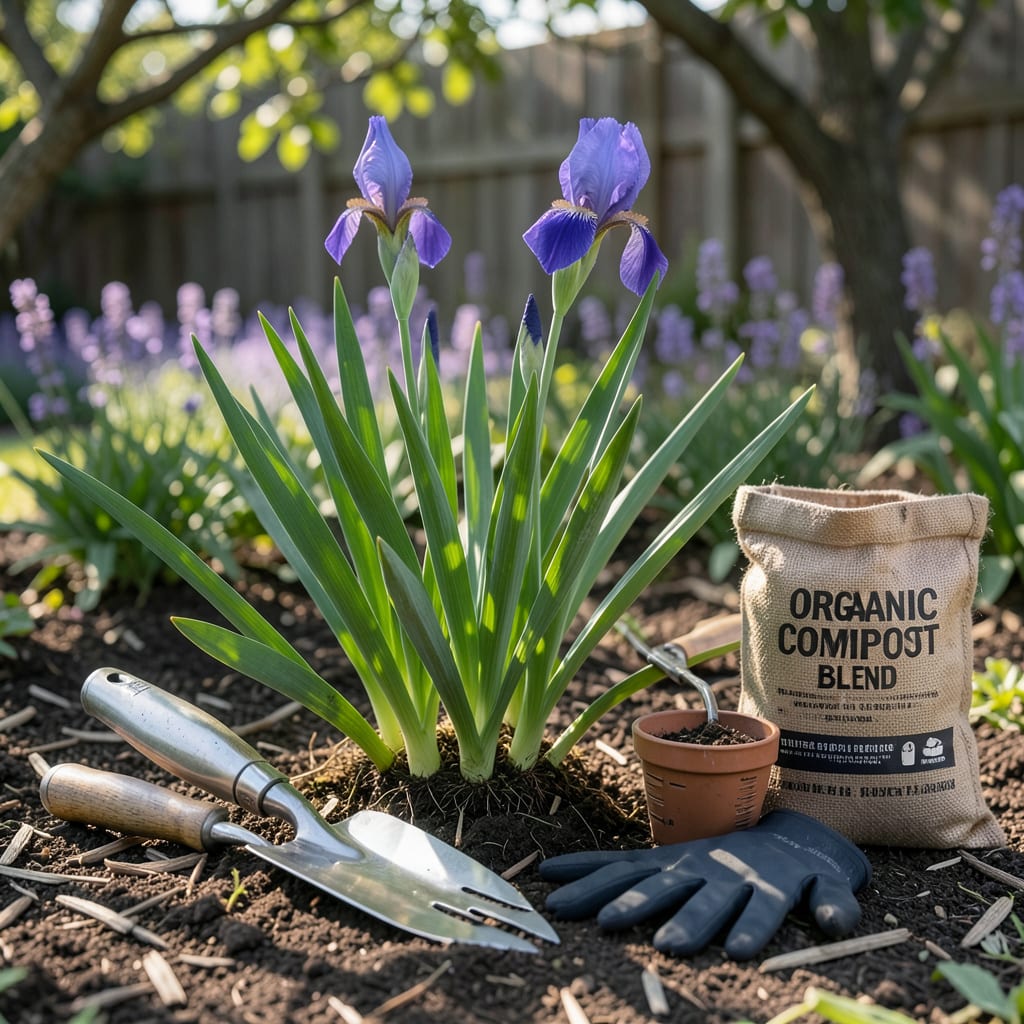
If you’ve ever dreamed of a garden bursting with vibrant 🌸 Iris blooms each spring, timing your planting is the secret. North Carolina’s diverse climate means what works in the mountains won’t always suit the Piedmont – and that difference can make or break your flowers.
I’ve helped countless gardeners across NC zones 7a-8b avoid the heartbreak of no blooms. Whether you’re dealing with clay soil or coastal humidity, we’ll pinpoint your perfect planting window. Let’s get those irises rooted right for spectacular color next season.
North Carolina’s diverse climate means your iris bulb planting schedule depends heavily on where you live. In the mountain regions, cooler temperatures and earlier frosts demand a slightly earlier approach than the milder Piedmont or coastal areas. I’ve found that timing is the secret to vibrant blooms.
For most of NC, fall planting (September to November) is ideal. This gives bulbs time to establish strong root systems before winter dormancy. But the exact window shifts based on elevation and microclimates. Let’s break it down by region so you don’t miss your planting sweet spot.
| Region | Best Months | Soil Temp Goal | Notes |
|---|---|---|---|
| Mountains (Zone 6a-7a) | Early Sept – Mid-Oct | 55-65°F | Plant 6-8 weeks before first frost (often early Oct). |
| Piedmont (Zone 7b-8a) | Mid-Sept – Early Nov | 60-70°F | Aim for 4-6 weeks before frost (typically mid-Nov). |
| Coastal (Zone 8b) | Late Oct – Late Nov | 65-75°F | Later planting works due to milder winters and longer falls. |
Pro Tip: Use a soil thermometer to check temps at 4-inch depth—this is where iris roots grow!
In the mountains, I recommend planting by mid-October to avoid sudden cold snaps. The Piedmont’s longer fall gives you more flexibility, but don’t push it past early November. Coastal gardeners can plant later, but bulbs still need 4-6 weeks to root before winter.
If you’re unsure about your local frost dates, check the NC State Climate Office’s tools. I always mark my calendar for the average first frost and count backward. For example, in Raleigh (Piedmont), the first frost is around November 15, so I plant by early October.
Soil temperature matters more than air temperature. Iris bulbs need cool but not freezing soil to root properly. If the ground is still warm (above 70°F), bulbs may sprout prematurely. In hot falls, I’ve had success planting slightly deeper (6 inches) to keep bulbs cooler.
What if you miss the fall window? You can plant irises in early spring (March), but they may not bloom the first year. I’ve done this in emergencies, but fall-planted bulbs always perform better. They establish roots during winter’s moisture and burst into growth come spring.
Microclimates play a big role too. A south-facing slope in the mountains warms up faster than a shaded valley. I once planted irises in a sunny Asheville yard in late September, while a friend in a colder hollow planted two weeks earlier. Both thrived because we adjusted for our specific conditions.
For container-grown irises, you can plant a bit later since pots are more protected. Just ensure containers won’t freeze solid. I use insulating bubble wrap around pots in the mountains to prevent heaving. In the Piedmont, a thick mulch layer usually suffices.
Remember, bearded irises (the most common type) need this fall planting schedule. Siberian or Japanese irises have slightly different needs, but the timing remains similar. When in doubt, ask your local NC Cooperative Extension office—they’re my go-to for hyper-local advice.
Getting your iris bulbs in the ground correctly is just as important as timing. In North Carolina, our clay-heavy soils and variable rainfall demand special attention. I’ve perfected this method after years of trial and error across different NC regions.
Start by selecting a sunny location with at least 6 hours of direct sunlight. Irises thrive in full sun but appreciate afternoon shade in the hotter Piedmont areas. The soil should drain well – if water pools after rain, you’ll need to amend it.
NC Tip: In coastal areas, raise beds 6 inches to improve drainage in sandy soils.
For container planting, use pots at least 12 inches deep with drainage holes. I recommend a mix of 50% potting soil and 50% perlite for our humid climate. Elevate containers in winter to prevent waterlogging from NC’s winter rains.
After planting, resist the urge to water daily. Irises hate soggy conditions – I water my new plantings once weekly unless we’re in drought. The key is deep, infrequent watering that encourages roots to grow downward.
Fertilizing at planting time is controversial. I skip it initially but apply a low-nitrogen 6-10-4 fertilizer in early spring when shoots appear. In the mountains, I stop fertilizing by late August to harden plants for winter.
Watch for pest pressure – NC’s humidity attracts iris borers. I prevent them by cleaning up old foliage in fall and applying diatomaceous earth around plants in early spring. Deer can also be problematic in rural areas.
Remember, your first year’s blooms might be modest. It takes time for bulbs to establish. But by year two, you’ll be rewarded with those spectacular NC spring displays that make all the effort worthwhile. The secret is patience and proper planting!
Even with the best intentions, sometimes our iris bulbs don’t thrive as expected. After helping dozens of NC gardeners troubleshoot their iris problems, I’ve identified the top 5 red flags that suggest your timing was off. The good news? Most issues have solutions!
First, let’s talk about missing blooms – the most common complaint. If your irises produce plenty of leaves but no flowers, they were likely planted too late. The bulbs didn’t have enough time to establish roots before winter. In NC’s Zone 7-8 climate, this often happens when bulbs go in after November.
NC Note: Mountain gardeners see more frost-related issues, while Piedmont gardeners struggle with heat stress.
In the mountain regions, I often see frost-damaged foliage when bulbs were planted too late. The tender new roots get nipped by early frosts. Coastal gardeners more commonly face rot issues from planting too early in our warm, humid falls. Both problems are preventable with proper timing.
If you notice sprouting in fall, your bulbs went in when soil was too warm. This is especially common in the Piedmont where falls stay warmer longer. When this happens, I recommend gently removing the sprouts but leaving the bulb in place. With luck, it’ll regrow properly in spring.
For mushy or rotten bulbs, poor timing combined with NC’s clay soil is usually to blame. The fix involves removing affected bulbs immediately to prevent spread. Next season, plant in raised beds with amended soil, and consider adding horticultural grit to improve drainage.
Remember, even perfectly timed plantings can struggle in extreme weather. After Hurricane Florence, I lost several iris beds to waterlogging. Now I plant on slight mounds in low-lying areas. Learning from mistakes makes us better gardeners – and our irises more resilient! 🌸
Spring-planted irises often skip blooming their first year. The bulbs need 6-8 weeks of root growth before winter to store energy for flowers. In NC, spring planting means they’ll focus on establishing roots rather than producing blooms.
Plant 4-5 inches deep in clay-heavy areas like the Piedmont. This helps prevent rot from poor drainage. In sandy coastal soils, 3-4 inches is sufficient. Always amend clay with compost to improve drainage before planting.
Yes, containers offer 2-3 extra weeks of flexibility. The insulated environment protects roots from temperature swings. Just ensure pots won’t freeze solid—elevate them and use bubble wrap in mountain regions during cold snaps.
This indicates soil was too warm during planting. In NC’s Piedmont, falls often stay warm longer. If sprouting occurs, gently remove the growth but leave the bulb. Next year, plant 1 inch deeper or use shade cloth to cool the soil.
Check your local frost averages via NC State Climate Office. Then count backward 6-8 weeks for planting. Mountain gardeners should add a 2-week buffer for early frosts, while coastal growers can push dates later.
