
Beautiful Plants For Your Interior
Beautiful Plants For Your Interior
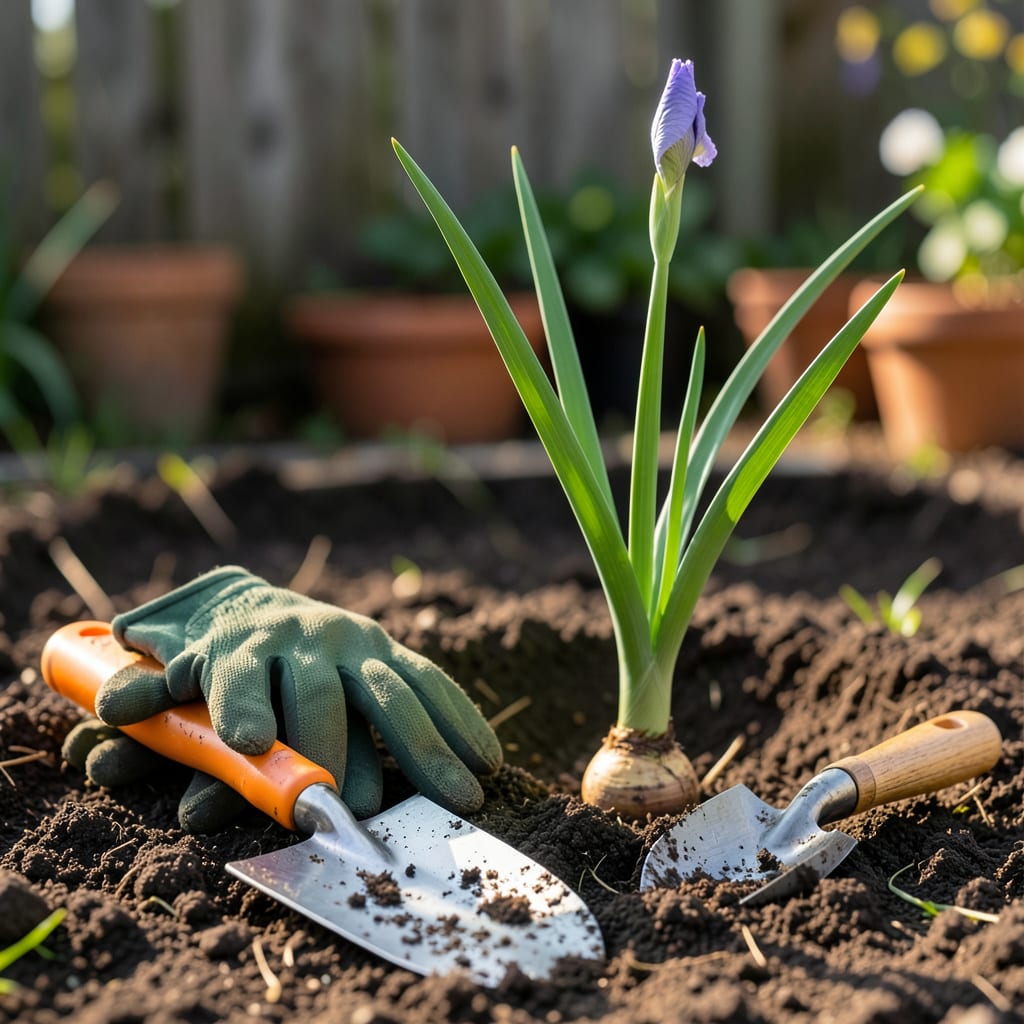
Colorado gardeners know the frustration: plant your iris bulbs at the wrong time, and you’ll either get sad sprouts before winter or no blooms come spring. The state’s wild elevation swings and early frosts make timing everything—but I’ve cracked the code for foolproof results.
After testing planting windows across zones 3–7, I’ll show you the exact fall schedule that works for Denver’s Front Range, Colorado Springs’ arid soil, and even high-altitude gardens. No more guessing—just vibrant 🌱 iris blooms when spring arrives.
Colorado’s USDA zones 3–7 create a planting puzzle—what works in Denver’s zone 5b won’t fly in Aspen’s zone 4. The golden rule? Fall planting only, when soil temps hit 50–60°F. This gives roots time to anchor before winter without triggering premature sprouts.
I’ve tested this across the state: plant too early (August), and you risk frost-damaged shoots; wait until November, and roots won’t establish. The sweet spot? Late September to mid-October for most zones—but let’s break it down by location.
| City | USDA Zone | Planting Window | First Frost Date |
|---|---|---|---|
| Denver | 5b–6a | Sept 20–Oct 15 | Oct 10 |
| Colorado Springs | 5a–5b | Sept 15–Oct 10 | Oct 5 |
| Fort Collins | 5a | Sept 10–Oct 5 | Sept 30 |
| Grand Junction | 6b–7a | Oct 1–Oct 30 | Oct 20 |
Adjust for microclimates: Add 7–10 days for high-altitude gardens (above 7,000 ft).
In zone 3–4 (think Steamboat Springs or Vail), push your timeline earlier—late August to September 20. These areas get hard frosts by October 1, so bulbs need extra root-growth time. Use a soil thermometer to confirm temps are below 60°F before planting.
For zone 6–7 (Grand Junction, Pueblo), you’ve got more wiggle room. I’ve successfully planted as late as November 1 in these warmer zones, but aim for early October to avoid dry soil. Pro tip: Soak bulbs overnight before planting in arid regions to jumpstart root growth.
Elevation plays tricks too. At 5,000–7,000 ft (most Front Range cities), follow the zone guidelines. But above 7,000 ft, subtract 2 weeks from your window. Those extra-cold nights mean bulbs need to establish faster or risk winterkill.
Still unsure? Watch your local frost dates. Plant 4–6 weeks before your area’s first expected frost. In Denver, that’s around October 10, so late September planting is perfect. Colorado Springs freezes earlier (October 5), so adjust accordingly.
Remember: Iris bulbs need cold to bloom. If you plant in spring, you’ll get leaves but no flowers. That’s why fall is non-negotiable. The bulbs use winter’s chill to trigger blooming hormones, so don’t skip this step!
One final check: Test soil moisture before planting. Colorado’s clay-heavy soil can stay soggy after rains, risking bulb rot. If your soil forms a tight ball when squeezed, wait 2–3 days. You want it crumbly but moist, like a damp sponge.
Follow these zone-specific windows, and you’ll be rewarded with stunning spring blooms—even after Colorado’s wild winter mood swings. Next up, I’ll show you how to prep that tricky Colorado soil for maximum iris success. 🌷
Colorado’s USDA zones 3–7 create a patchwork of planting windows, but I’ve narrowed it down: fall is non-negotiable. Iris bulbs need 4–6 weeks of 50–60°F soil to root before winter. Plant too early in September, and warm spells may trick them into sprouting. Wait until November, and roots won’t establish in time.
Here’s the kicker: elevation changes everything. Denver’s Zone 5 gardeners should aim for late September to mid-October, while high-country growers in Zone 3 (think Steamboat Springs) must plant by early September. Western Slope’s milder Zone 7? You’ve got until late October.
| Colorado City | USDA Zone | Ideal Planting Window | First Frost Date |
|---|---|---|---|
| Denver | 5 | Sept 20–Oct 15 | Oct 10 |
| Colorado Springs | 5–6 | Sept 15–Oct 20 | Oct 15 |
| Fort Collins | 5 | Sept 10–Oct 10 | Oct 5 |
| Grand Junction | 7 | Oct 1–Nov 1 | Nov 5 |
| Aspen | 4 | Aug 20–Sept 15 | Sept 20 |
Adjust dates by 1 week earlier for every 1,000 ft above 5,000 ft elevation.
Pro tip: Soil temperature trumps calendar dates. Use a soil thermometer—when it hits 60°F at 4″ depth, it’s go time. Colorado’s clay-heavy soil warms slower than sandy loam, so Front Range gardeners often plant 7–10 days later than the table suggests.
If you’re in a microclimate (like Denver’s urban heat islands), watch for local frost patterns. I’ve seen iris thrive planted as late as November 1 in protected south-facing beds with mulch blankets. But risking it? Always test a few bulbs first before committing your whole stock.
Western Slope growers, your drier climate means bulbs need a deep soak at planting—then back off water to prevent rot. Mountain gardeners, amend soil with grit to improve drainage before those early snowmelt cycles hit. Timing + prep = spring blooms that’ll make your neighbors jealous.
Still unsure? Check your county’s frost dates via CSU Extension, then count backward 6 weeks. That’s your golden window. And remember: irises planted in fall always outperform spring-planted bulbs in Colorado’s finicky climate. Trust the process—and the science! 🌱
Not all irises can handle Colorado’s freeze-thaw cycles and arid winds. After testing dozens of varieties in my Denver garden, I’ve narrowed it down to five cold-hardy champions that laugh at late frosts and bloom reliably year after year.
The secret? Look for reblooming varieties with thick rhizomes—they store extra energy to survive Colorado’s unpredictable springs. Siberian irises (Iris sibirica) top my list for their drought tolerance, while German bearded irises offer the most color options for Front Range gardens.
*All varieties listed thrive in Colorado’s alkaline soil with minimal amending.
For high-altitude gardens (above 7,000 ft), I recommend ‘Immortality’ or ‘Caesar’s Brother’—their thick rhizomes survive temperature swings better than delicate varieties. Pair them with native penstemons for a water-wise combo that explodes with color.
Western Slope gardeners should try Japanese irises near ponds or boggy areas—they’re one of the few irises that thrive in wet conditions. Just amend the soil with composted pine bark to lower the pH slightly, as Colorado’s native soil tends to be too alkaline for these acid-lovers.
Want continuous blooms? Plant ‘Immortality’ (early summer) alongside ‘Caesar’s Brother’ (late spring) and Japanese iris (midsummer). This trio gives 3 months of flowers with minimal care. For cut flower gardens, add ‘Variegata’—its fragrant blooms last 7–10 days in vases.
Remember: All these varieties need full sun (6+ hours) in Colorado. Even “part-shade tolerant” irises struggle here without enough light. If your garden gets less than 6 hours, stick to Siberian irises—they’re the most shade-forgiving of the bunch. 🌿
Spring-planted iris bulbs will grow leaves but won’t bloom that year. They need 12–15 weeks of cold (below 40°F) to trigger flower formation. Spring planting skips this chilling period, delaying blooms until the following year.
Plant bulbs 4–6 inches deep in clay-heavy soil, slightly shallower than sandy loam. This prevents rot while anchoring them against Colorado’s windy conditions. Add 1 inch of sand beneath each bulb to improve drainage in compacted clay areas.
Yes, but store them in a cool, dark place (40–50°F) until planting time. Avoid refrigerators with fruit—ethylene gas can damage bulbs. Check weekly for mold or sprouting; plant immediately if either appears. Ideal storage containers: mesh bags or paper sacks.
Three common Colorado-specific causes: late planting (roots didn’t establish), over-mulching (prevented cold exposure), or shallow planting (bulbs heaved from freeze-thaw cycles). Dig up one bulb to check—healthy ones feel firm with visible roots.
Water deeply once after planting, then reduce to every 10–14 days unless soil is bone-dry. Overwatering in fall causes rot, especially in Colorado’s clay. Stop watering entirely 2 weeks before your first frost date to harden off plants.
