
Beautiful Plants For Your Interior
Beautiful Plants For Your Interior
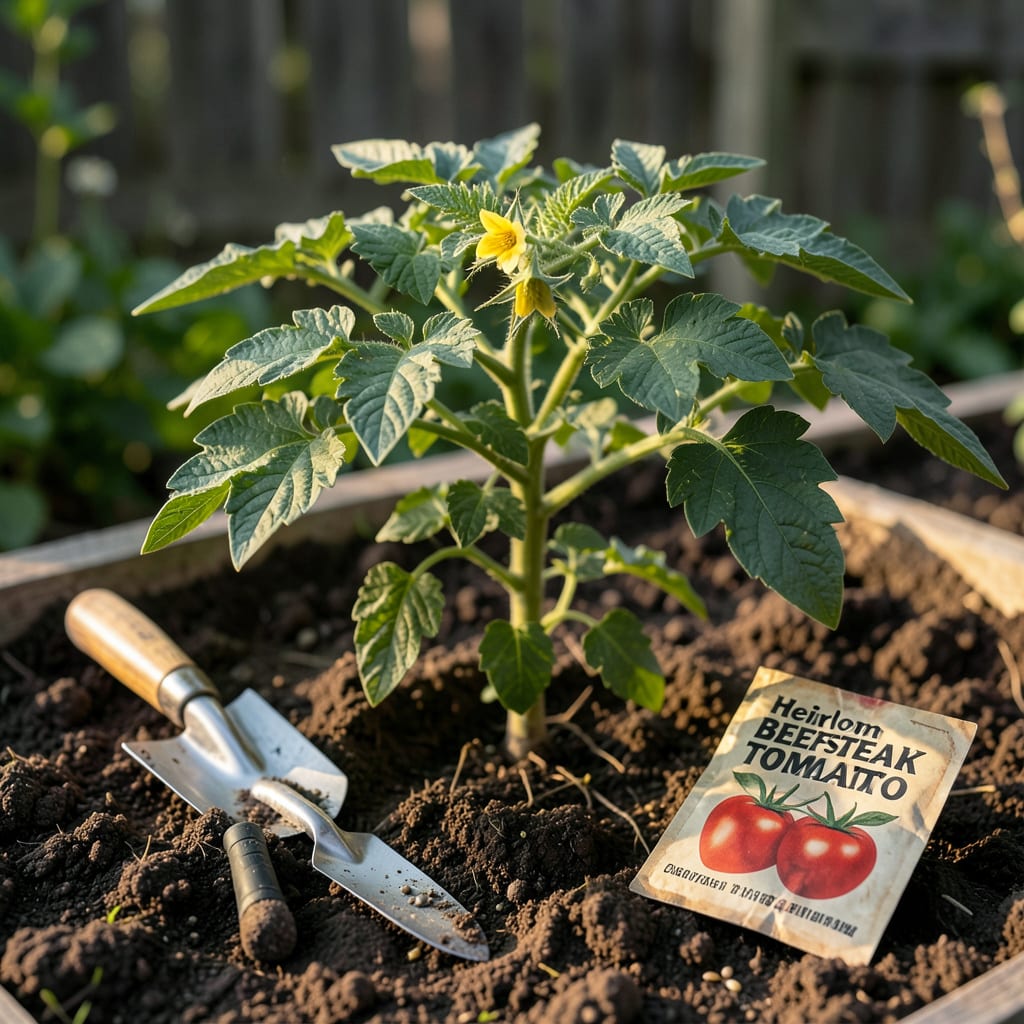
If you’ve ever watched your neighbor’s garden flourish while yours struggles, the secret might be simpler than you think. In Zone 8b, where mild winters meet scorching summers, planting at the right time can make or break your harvest.
I’ve spent years fine-tuning the perfect schedule for this unique climate zone. Whether you’re planting heat-loving tomatoes or cool-season greens, I’ll show you exactly when to get those seeds in the ground for bigger yields and less frustration. Let’s turn your thumb greener this season.
If you’re gardening in Zone 8b, you’re in luck—this region offers one of the longest growing seasons in the U.S. With mild winters and hot summers, timing your plantings correctly can mean the difference between a thriving garden and a disappointing one. Let’s break it down month by month.
In Zone 8b, the average last frost is around March 15, while the first frost typically hits near November 15. That gives you a generous 240-day growing season—plenty of time for multiple harvests if you plan ahead. Here’s how to make the most of it.
For spring planting, focus on warm-season crops like tomatoes, peppers, and eggplants once the soil warms to 60°F. I always use a soil thermometer to check—don’t rely on air temperature alone! These plants thrive in the heat but need consistent watering.
When summer heat peaks, shift to heat-tolerant varieties like okra, black-eyed peas, and sweet potatoes. These plants can handle 90°F+ temps and still produce. Just remember: deep watering in the early morning helps roots stay strong.
As fall approaches, it’s time for cool-season crops again. Broccoli, cabbage, and carrots do well when planted in late summer for a fall harvest. I love growing kale—it actually gets sweeter after a light frost!
Don’t overlook flowers in your Zone 8b garden! Marigolds, zinnias, and sunflowers can be planted in spring for summer color, while pansies and violas thrive in fall and winter. They also attract pollinators, which boosts veggie production.
One of my favorite tricks is succession planting. For example, after harvesting spring lettuce, I’ll plant bush beans in the same spot. This keeps my garden productive all season long without wasting space.
Finally, always keep an eye on the weather forecast. Zone 8b can have unpredictable swings, especially in spring and fall. If a late frost is predicted, be ready with frost blankets to protect tender plants.
With this calendar, you’ll have a garden that’s productive year-round. The key is staying flexible—adjust planting dates based on your local microclimate and weather patterns. Happy gardening! 🌱
When you’re gardening in Zone 8b, choosing the right crops can save you time and frustration. I’ve found that focusing on heat-tolerant varieties for summer and cold-hardy options for winter gives the best results year-round. Let’s dive into the easiest plants to grow.
The secret to success in Zone 8b is matching plants to our unique climate. Summer scorchers like okra and sweet potatoes thrive when temperatures soar, while winter greens like kale and spinach actually improve with light frosts. Here’s my curated list of winners.
For summer planting, I always recommend starting with okra—it’s nearly bulletproof in our heat. Plant seeds directly in the ground after soil reaches 70°F, usually by late April. They’ll grow quickly and produce until first frost.
Sweet potatoes are another summer champion. Plant slips in May-June and they’ll spread beautifully, suppressing weeds while producing abundant tubers. Just give them full sun and well-drained soil.
When temperatures drop, shift to cool-season crops. Kale is my top winter pick—it actually tastes better after a light frost. Plant seeds in September-October for harvests through winter. Garlic planted in fall will reward you with bulbs next summer.
Don’t forget about herbs! Rosemary and thyme are perennial in Zone 8b, while basil and cilantro can be grown as cool-season annuals. I keep pots of herbs near my kitchen door for easy access.
For flowers, zinnias and sunflowers handle summer heat beautifully, while pansies and snapdragons provide winter color. They also attract beneficial pollinators that help your veggies thrive.
Remember, our long growing season means you can often get two crops from the same space. After harvesting spring peas, I plant summer squash in the same spot. This succession planting keeps my garden productive all year.
With these reliable performers, you’ll have a thriving garden no matter the season. The key is working with our climate rather than against it. Happy planting! 🌻
Even experienced gardeners can stumble in Zone 8b‘s unique climate. After years of trial and error, I’ve identified the five most common mistakes that sabotage gardens here. The good news? They’re all easily avoidable once you know what to watch for.
Our long growing season and mild winters might seem forgiving, but timing errors and climate misjudgments can still derail your harvest. Let’s look at the pitfalls I see most often—and how to sidestep them for a more productive garden.
Pro Tip: Use a soil thermometer—it’s more reliable than calendar dates for planting!
The #1 mistake I see is planting warm-season crops too early. While our last frost is typically around March 15, soil temperatures often lag behind. I’ve learned to wait until soil reaches 60°F for tomatoes and peppers—usually late March to early April.
During our scorching summers, many gardeners forget that afternoon shade is crucial. I use 30% shade cloth over my greens from June-August to prevent bolting. Even heat-lovers like peppers appreciate some afternoon relief when temps hit 95°F+.
Fall planting offers a second spring in Zone 8b, but timing is tricky. I aim to get broccoli, cabbage, and kale in the ground by early September so they’re established before cooler weather slows growth. A floating row cover can extend your harvest by several weeks.
Our winter gardening opportunities are amazing, but watering requires adjustment. Cool-season crops need less frequent watering than summer plants. I check soil moisture with my finger—if the top inch is dry, it’s time to water. Overwatering in winter leads to root rot and fungal issues.
Finally, never underestimate the power of soil preparation. Our native soils often contain heavy clay that compacts easily. I amend my beds annually with 2-3 inches of compost and aged manure. This improves drainage while retaining moisture—critical for both summer and winter crops.
By avoiding these common pitfalls, you’ll set your Zone 8b garden up for success. Remember, our climate gives us incredible flexibility—just respect the seasons and adjust your approach accordingly. Your plants will thank you with bountiful harvests! 🌿
Use your local frost dates as a guide, not just the zone. In Zone 8b, the average last frost is around March 15, but check with your county extension office for hyper-local data. A soil thermometer is your best tool—wait until soil reaches 60°F for warm-season crops.
Not quite! Zone 8b’s climate allows for two distinct growing seasons. Plant heat-lovers like okra and sweet potatoes in summer, then switch to cold-hardy crops like kale and spinach in winter. Some herbs like rosemary thrive year-round with proper care.
Intense heat and drought stress top the list. Afternoons over 90°F can scorch tender plants. Use shade cloth (30-50% density) for greens and mulch heavily to retain moisture. Water deeply in early morning—1-2 inches per week is ideal for most crops.
Start seeds indoors 6-8 weeks before last frost for warm-season crops. Use row covers in fall to protect plants from early frosts. Cold frames work wonders for winter greens. For summer, succession planting (like beans after lettuce) keeps production going nonstop.
Some cool-weather crops like brussels sprouts and cauliflower can be tricky—they often bolt before forming heads. Very long-season crops like artichokes may not mature before winter. Stick to varieties with shorter days-to-harvest for best results.
