
Beautiful Plants For Your Interior
Beautiful Plants For Your Interior
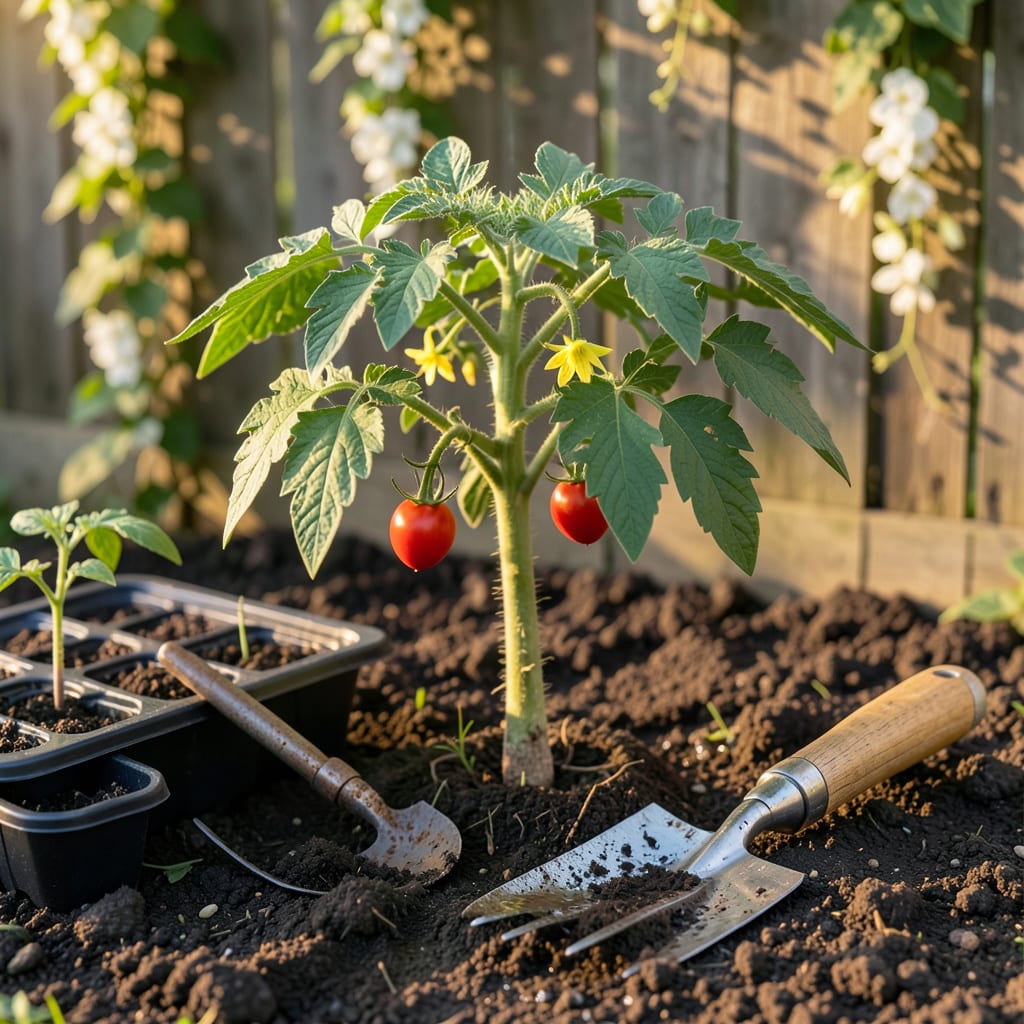
Timing your garden in Zone 7a can feel like a high-stakes game—plant too soon, and frost wipes out your seedlings; wait too long, and your harvest never reaches its potential. I’ve seen both scenarios play out, and let me tell you, the difference comes down to knowing your exact windows.
With a growing season stretching nearly 7 months, Zone 7a offers incredible opportunities—but only if you align your planting with its unique rhythm. In this guide, I’ll break down the precise timing for vegetables, flowers, and perennials, so you can stop guessing and start growing with confidence.
If you’re gardening in Zone 7a, you’ve got a fantastic 210–240 day growing season to work with. The key is knowing exactly when to plant each crop. Our average last frost date is around April 15, while the first frost typically arrives November 1–15. 🌱
This long growing season means you can enjoy two planting windows: early spring for cool-season crops and late spring for warm-season favorites. I’ll break down the perfect timing for both, plus share some succession planting tricks to keep your garden productive all year. ☀️
| Crop Type | Planting Window | Notes |
|---|---|---|
| Cool-Season Vegetables (Lettuce, Kale, Peas) |
Late Feb–Mar (indoors) Mar–Apr (outdoors) |
Tolerates light frost Soil temp: 40–75°F |
| Warm-Season Vegetables (Tomatoes, Peppers, Beans) |
Apr–May (after frost) May–Jun (direct sow) |
Needs warm soil (60°F+) Use row covers early |
| Fall Crops (Spinach, Carrots, Radishes) |
Aug–Sep (for fall harvest) | Count backward from frost Use shade cloth in heat |
| Perennials & Flowers (Daylilies, Coneflowers) |
Spring or Fall (Avoid summer heat) |
Fall planting = stronger roots Mulch new plants |
Adjust dates by ±2 weeks for microclimates (urban areas may plant earlier).
For cool-season crops like spinach and broccoli, I start seeds indoors in late February and transplant outdoors in March. These plants thrive in 50–70°F weather and can handle light frosts. The secret? Get them established before summer heat arrives. 🌿
Warm-season stars like tomatoes and peppers need patience. Wait until soil reaches 60°F (usually mid-April) before planting. I use a soil thermometer to check—it’s more reliable than air temperature. Pro tip: Black plastic mulch can warm soil faster! 🌡️
Don’t overlook fall planting in Zone 7a! I sow carrots and beets in late August for a sweet autumn harvest. The key is counting backward from your first frost date (add 10–14 days for harvest time). Shade cloth helps seedlings survive late summer heat. ✂️
For perennials and flowering plants, I prefer fall planting. The cooler temps and autumn rains help roots establish without summer stress. My favorites? Purple coneflowers and Russian sage—both drought-tolerant once established. 🌷
Remember: microclimates matter! My urban garden stays warmer than rural areas, so I plant 2 weeks earlier in spring. Low spots collect frost—avoid planting tender crops there. Use row covers to push seasons by 2–4 weeks. 💧
Want to extend your season? Try cold frames for winter greens or hoop houses for tomatoes. I’ve harvested fresh spinach in December using just a simple cold frame! The key is monitoring temperatures and ventilating on sunny days. 🌱
Finally, keep a garden journal to track your planting dates and results. I note when each crop germinates, flowers, and produces. Over time, you’ll create a personalized planting calendar that’s even more accurate than general guidelines! 📋
Even with Zone 7a’s generous growing season, I’ve seen gardeners make costly timing errors that slash yields by 30-40%. The most common? Ignoring microclimates—that sunny south-facing wall can be 5-10°F warmer than shady spots, letting you plant 2 weeks earlier. 🌡️
Another big mistake? Trusting calendar dates over soil temps. I once lost an entire bed of tomato seedlings by planting when air temps hit 60°F—but the soil was still 50°F. Always use a soil thermometer for warm-season crops like peppers and melons. 🌱
Each mistake can reduce yields by 10–40%—but they’re all preventable!
The false spring trap gets me every few years. Warm February days trick me into planting peas too early, then—BAM—a hard frost wipes them out. Now I wait until soil is consistently 45°F+ (usually mid-March). Use row covers if you’re impatient like me! 🌬️
Here’s a pro tip: Track your local “green-up” date. When forsythia blooms (early March here), it’s time to plant potatoes and onion sets. When dogwoods flower (mid-April), warm-season crops are safe. Nature’s calendar is often more reliable than printed dates! 🌻
Many Zone 7a gardeners underestimate fall’s potential. I grow kale, Swiss chard, and brussels sprouts that actually taste sweeter after light frosts. The secret? Count backward from November 15 (our avg. first frost) and add 30–60 days for each crop’s maturity time. ✂️
Finally, don’t let summer heat derail your garden. In July/August, I switch to heat-tolerant varieties like ‘Arkansas Traveler’ tomatoes and ‘Black Seeded Simpson’ lettuce. Use shade cloth (30–50%) for greens and drip irrigation to keep roots cool. With these adjustments, I harvest year-round! 💧
Remember: Your garden journal is your best tool. I record planting dates, first harvests, and weather anomalies each year. Over time, you’ll spot patterns—like how my okra always produces better after a hot, dry June, or how broccoli bolts faster in raised beds. 📋
In Zone 7a, we’re blessed with a long growing season, but why stop there? With the right tools, I’ve stretched my harvests 3–4 weeks earlier in spring and 4–6 weeks later into fall. The secret? Understanding which techniques work best for our mild winters and hot summers. 🌱
My go-to for early starts is cold frames. These simple boxes trap heat and protect seedlings from late frosts. I’ve harvested spinach in March and radishes by April 1 using just a basic cold frame. For tomatoes and peppers, I add black plastic mulch to warm soil faster. ☀️
*Combine methods for maximum effect (e.g., cold frame + row cover = 8+ weeks extension).
For summer heat waves, I rely on shade cloth (30–50% density) to protect my lettuce and cilantro from bolting. I’ve kept buttercrunch lettuce sweet and tender through July by providing afternoon shade. Pair this with drip irrigation to keep roots cool, and you’ll beat the heat. 💧
My favorite fall trick? Succession planting with quick-maturing varieties. I sow ‘Early Wonder’ beets (50 days) and ‘Cherry Belle’ radishes (22 days) in late August for October harvests. For overwintering, ‘Winter Density’ lettuce and ‘Giant Winter’ spinach survive under row covers until spring. 🌿
Don’t forget about soil temperature—it’s just as important as air temp. I use a $10 soil thermometer to know when to plant. Peas germinate at 40°F, but beans need 60°F+. Black plastic mulch can warm soil 5–10°F faster in spring. For fall crops, straw mulch keeps soil cooler longer. 🌡️
Finally, record keeping is your secret weapon. I note when I plant, when I harvest, and what works best each year. Over time, you’ll create a customized calendar that accounts for your garden’s unique microclimate. My journal shows that okra planted June 15 always outproduces my May planting! 📋
Use a soil thermometer to check temperatures at 2–3 inches deep. Cool-season crops like peas need 40°F+, while warm-season plants (tomatoes, peppers) require 60°F+. Morning readings are most accurate.
You can, but avoid starting more than 4–6 weeks before transplanting. Overgrown seedlings become leggy and weak. Use grow lights for 14–16 hours/day to prevent stretching.
Count backward from your first frost date (Nov 1–15). Add each crop’s “days to maturity” plus 10–14 days for harvest buffer. Fast growers like radishes can be planted as late as early October.
Urban areas, south-facing walls, or low-lying spots can vary by 2+ weeks from average dates. Urban gardens often warm faster in spring, while rural areas may stay cooler. Adjust planting windows accordingly.
Row covers add 2–4 weeks to your season and protect from pests. Cold frames can extend harvests into December for hardy greens. Even simple cloches make a difference for tender plants.
