
Beautiful Plants For Your Interior
Beautiful Plants For Your Interior
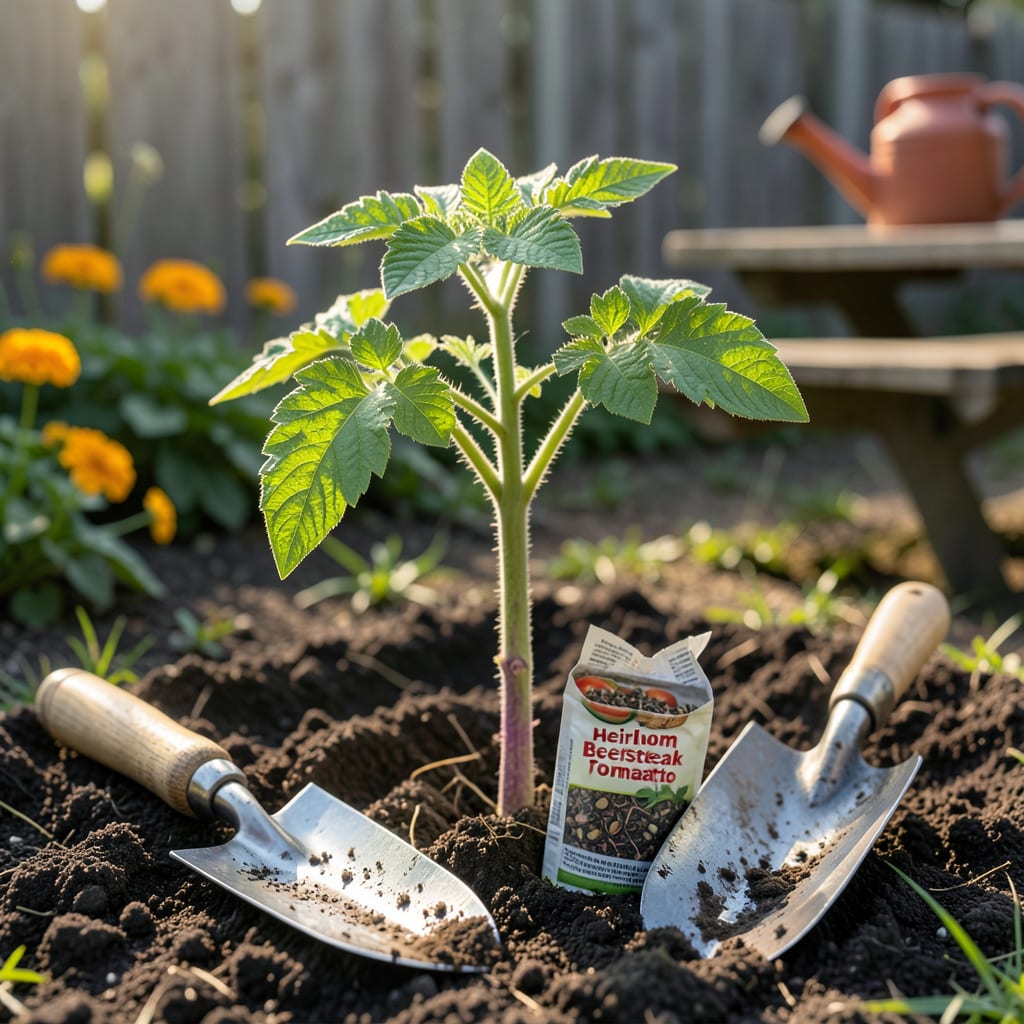
If you’ve ever watched your neighbor’s garden thrive while yours struggles, timing might be the culprit. In Zone 7, planting just one week too early or late can mean the difference between a bumper crop and a disappointing harvest.
I’ve spent seasons fine-tuning the perfect planting schedule for this region, and what I’ve learned will save you time, money, and frustration. Let’s cut through the guesswork so you can plant with confidence—whether you’re growing tomatoes, tulips, or thyme.
If you’re gardening in USDA Zone 7, you’ve got a fantastic 165-day growing season between the last spring frost (around April 15) and first fall frost (around October 15). The key is knowing exactly when to start seeds indoors, transplant seedlings, and direct-sow for each crop type.
I always recommend marking your calendar with two critical dates: your last spring frost and first fall frost. In Zone 7, we can start cool-season crops as early as late February, while warm-season favorites like tomatoes and peppers need to wait until after April 15.
| Month | Plant Type | Action |
|---|---|---|
| February-March | Cool-Season Crops | Start indoors: broccoli, cabbage, kale |
| March-April | Leafy Greens | Direct sow: lettuce, spinach, arugula |
| April-May | Warm-Season Crops | Transplant: tomatoes, peppers, eggplant |
| May-June | Herbs & Flowers | Plant: basil, marigolds, zinnias |
| August-September | Fall Crops | Sow: carrots, beets, radishes |
For tomatoes and peppers, I start seeds indoors 6-8 weeks before April 15 to give them a head start. These heat-lovers need consistent warmth—don’t rush them outside until nighttime temps stay above 50°F.
Leafy greens like lettuce and spinach thrive in cool spring weather. I plant these in early March, then make succession plantings every 2 weeks until May for continuous harvests. They bolt quickly in summer heat.
My secret for extended harvests? Use row covers in early spring and late fall. This simple trick can protect tender plants from unexpected frosts and extend your growing season by 2-3 weeks on each end.
Don’t forget about soil temperature—it’s just as important as air temperature. Most seeds need soil above 50°F to germinate well. I use a soil thermometer to check before planting beans or corn.
For fall planting, count backward from October 15. Fast-growing crops like radishes need 4-6 weeks before frost, while cabbage and kale can handle light frosts and actually taste sweeter after a chill.
Remember that microclimates matter in Zone 7. Urban areas and south-facing slopes warm up faster than low-lying spots. I’ve found my raised beds are ready for planting 1-2 weeks earlier than my in-ground plots.
Finally, keep a garden journal to track what works best in your specific location. Note when you planted, first harvest dates, and any weather anomalies. This data becomes your personal Zone 7 planting bible over the years. 🌿
Even experienced gardeners in Zone 7 can fall into traps that sabotage their harvests. I’ve seen firsthand how small oversights lead to big disappointments—like planting tomatoes too early or ignoring soil prep until it’s too late.
One of the biggest mistakes I notice is misjudging frost dates. While April 15 is our average last frost, I’ve had years where a surprise freeze hit in late April. Always have row covers ready just in case.
Another common error is overcrowding plants. I used to pack my beds too tightly, thinking more plants meant more harvest. Now I follow spacing guidelines religiously—it reduces disease and increases yields.
Soil temperature is often overlooked. I’ve ruined entire plantings of beans by sowing when soil was still below 55°F. A $10 soil thermometer has saved me hundreds in wasted seeds and plants.
Many Zone 7 gardeners also underestimate water needs during our hot summers. I set up drip irrigation on timers to maintain consistent moisture—especially critical for tomatoes and squash during fruit set.
Finally, don’t make my early mistake of ignoring plant rotation. Repeating tomatoes in the same spot year after year led to blight problems in my garden. Now I follow a 3-year rotation for all vegetable families. 🌱
If you’re gardening near a zone boundary, understanding how Zone 7 compares to Zone 6 and Zone 8 can make or break your planting success. I’ve seen gardeners struggle when they follow advice meant for different zones.
Zone 7’s 165 frost-free days gives us a sweet spot between Zone 6’s shorter season and Zone 8’s longer one. This means we can grow heat-loving crops that Zone 6 struggles with, while still enjoying cool-season crops that might bolt too quickly in Zone 8.
| Crop Type | Zone 6 | Zone 7 | Zone 8 |
|---|---|---|---|
| Tomatoes | Short season varieties | Full-size heirlooms thrive | Long season, heat-tolerant |
| Peppers | Start indoors early | Direct sow after frost | Multiple crops possible |
| Kale | Spring/fall only | Year-round with protection | Winter crop possible |
| Basil | Short-lived, bolt-prone | Long harvest window | Grows as perennial |
Zone 7 gardeners can plant tomatoes 2-3 weeks earlier than Zone 6, but we need to be more cautious than Zone 8 about late spring frosts. I’ve found that April 15 is our sweet spot for transplanting tomatoes, while Zone 8 gardeners can often plant in March.
For cool-season crops like lettuce and peas, Zone 7 offers a longer spring window than Zone 6 but shorter than Zone 8. I plant my first lettuce in early March, about 2 weeks earlier than Zone 6 friends, but 2 weeks later than Zone 8 gardeners.
The real advantage of Zone 7 becomes apparent with fall planting. We can grow a second crop of many vegetables that Zone 6 gardeners can’t, while avoiding the extreme heat that Zone 8 experiences in late summer. My fall broccoli and carrots often outperform my spring plantings! 🌿
Starting seeds indoors 6-8 weeks before April 15 gives heat-loving plants like tomatoes and peppers a head start. Use grow lights for best results, and harden off seedlings before transplanting outdoors.
Planting before soil warms up can lead to poor germination or stunted growth. Cold-sensitive crops like beans may rot if soil is below 50°F. Always check soil temperature with a thermometer before sowing.
Use row covers in early spring and late fall to protect plants from unexpected frosts. Cold frames can add 4-6 weeks to your season. Succession planting every 2 weeks ensures continuous harvests of fast growers like lettuce.
Many vegetables actually improve after light frost! Kale, Brussels sprouts, and carrots develop sweeter flavors when planted in August-September. Fall crops often face fewer pests than spring plantings.
Urban areas create heat islands that can be 1-2 zones warmer. This means you can plant earlier in cities, but may need more frequent watering due to heat reflection from buildings.
