
Beautiful Plants For Your Interior
Beautiful Plants For Your Interior
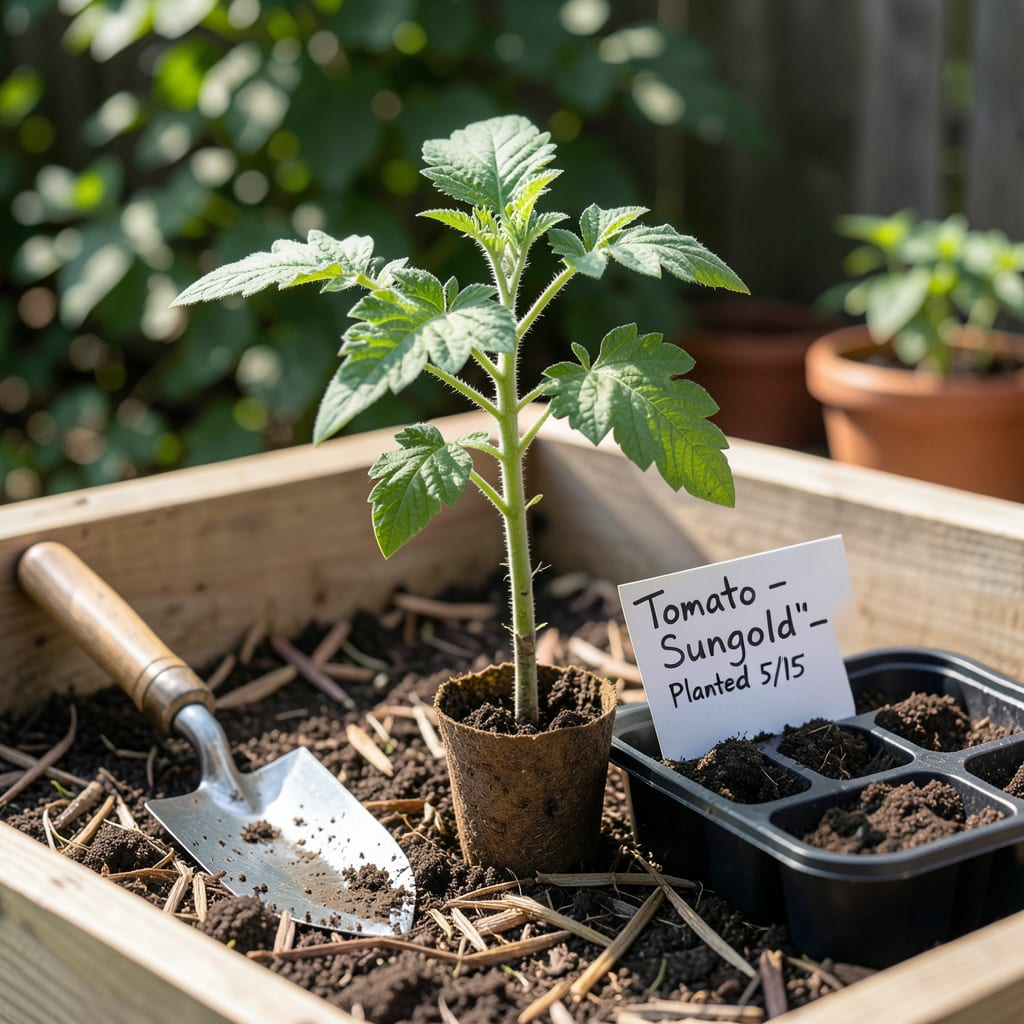
Ever stared at a packet of seeds, wondering if it’s too early—or too late—to get them in the ground? In Zone 6B, timing isn’t just important; it’s the difference between a thriving garden and a disappointing one.
With frost dates that can sneak up on you and a growing season that demands precision, I’ll help you nail the perfect planting window. No more guessing—just a clear, month-by-month plan to maximize your harvest. Let’s get your garden growing right.
If you’re gardening in Zone 6B, you know our last frost date typically falls around April 15, with the first frost arriving around October 15. That gives us about 165 frost-free days—plenty of time for a thriving garden if you plan right.
I’ve found that soil temperature matters just as much as air temperature. For cool-season crops, aim for 40–50°F soil, while warm-season plants need 60°F+. Let’s break down the ideal planting windows month by month.
| Month | Direct Sow | Transplant | Notes |
|---|---|---|---|
| March | Peas, spinach, lettuce | Onion sets, potatoes | Use row covers for frost protection |
| April | Carrots, radishes, beets | Broccoli, cabbage, kale | Soil should reach 50°F for germination |
| May | Beans, corn, cucumbers | Tomatoes, peppers, eggplant | Wait until after last frost (April 15) |
| June | Squash, melons, okra | Sweet potatoes, basil | Ensure consistent watering in summer heat |
| July | Green beans, turnips | Brussels sprouts, fall cabbage | Start fall crops for second harvest |
| August | Kale, Swiss chard, radishes | None (focus on fall prep) | Use shade cloth for young seedlings |
| September | Lettuce, spinach, garlic | None (direct sow only) | Plant 6–8 weeks before first frost |
In early spring (March–April), focus on cool-season crops like peas, lettuce, and spinach. These thrive in 40–60°F temperatures and can handle light frosts with protection. I always use row covers to give them an extra boost.
Once May arrives, it’s time for warm-season favorites like tomatoes, peppers, and beans. Wait until soil reaches 60°F—planting too early in cold soil stunts growth. A soil thermometer is my go-to tool for accuracy.
For summer planting (June–July), prioritize fast-maturing varieties like bush beans or zucchini. These avoid the late-summer heat stress that can reduce yields. Mulch heavily to retain moisture during Zone 6B’s hot spells.
Fall planting (August–September) is all about timing. Sow kale, radishes, and garlic 6–8 weeks before first frost (around October 15). These crops sweeten with light frosts and extend your harvest into winter.
Don’t forget succession planting! I replant lettuce, radishes, and green beans every 2–3 weeks for continuous harvests. This technique maximizes your 165-day growing season without overcrowding.
For herbs and flowers, basil and marigolds love the heat of late May, while cilantro and pansies prefer cooler spring/fall temperatures. Pair them with vegetables for companion planting benefits.
Remember, microclimates matter in Zone 6B. A south-facing wall can be 5–10°F warmer than open ground, letting you plant heat-lovers earlier. I’ve had success with peppers against my house weeks before the last frost!
Finally, keep a gardening journal to track your local frost dates and adjust yearly. Zone 6B’s weather can vary, and your notes will help refine timing for bigger, better harvests each season.
Even experienced gardeners in Zone 6B can fall into traps that sabotage their harvests. I’ve made my share of mistakes—like planting tomatoes too early or ignoring soil temperature—and learned the hard way. Let’s tackle the biggest pitfalls so you can sidestep them.
One of the most common errors? Misjudging frost dates. Our last frost is around April 15, but microclimates can shift this by weeks. I once lost an entire bed of pepper seedlings to a late frost because I trusted the calendar over my soil thermometer.
Another big mistake is crowding plants to maximize space. I used to pack zucchini and tomatoes too closely, thinking more plants meant more food. Wrong! Overcrowding leads to poor air circulation, which invites powdery mildew and blossom-end rot.
Don’t overlook soil prep either. Zone 6B’s clay-heavy soil can compact easily, suffocating roots. I now amend my beds with compost and perlite every spring to improve drainage. A simple soil test (available at extension offices) reveals pH and nutrient gaps before planting.
Many gardeners also underestimate pests in our region. Squash bugs and Japanese beetles thrive in Zone 6B’s summers. I combat them with row covers early in the season and neem oil sprays at the first sign of damage. Handpicking pests daily keeps populations manageable.
Finally, not rotating crops is a silent yield-killer. Planting tomatoes or peppers in the same spot yearly depletes soil nutrients and invites disease. I use a 3-year rotation: leafy greens → roots → fruits to maintain soil health and break pest cycles.
Keep a gardening journal to track what works (and what doesn’t) in your specific corner of Zone 6B. Note planting dates, frost occurrences, and harvest yields. Over time, you’ll spot patterns that let you fine-tune your timing for bigger, healthier harvests every year. 🌱
In Zone 6B, our 165 frost-free days might seem limiting, but I’ve learned to stretch that window using simple tools. With the right techniques, you can start earlier in spring and harvest later into fall—sometimes even winter!
The key is understanding our April 15 last frost and October 15 first frost dates aren’t absolute. Microclimates and protective tools let me grow tomatoes by late March and harvest kale well into November. Let’s explore the best methods.
My favorite tool is the low tunnel—a series of hoops covered with plastic or fabric. For under $50, I built one that lets me plant carrots and spinach in late February. The fabric cover blocks wind and traps heat, creating a mini greenhouse effect.
Cold frames are another game-changer. I use old windows on straw-bale frames to create a solar-heated bed. On sunny March days, they can hit 80°F inside while outdoor temps linger in the 40s. Perfect for hardening off cabbage and broccoli transplants.
For fall extension, floating row covers are my secret weapon. Drape them over kale, lettuce, and beets in September, and they’ll keep producing through light frosts. I’ve harvested spinach in December under thick row cover plus a straw mulch blanket.
Don’t overlook succession planting with these tools. I plant radishes every 10 days under row covers from August to October, ensuring fresh harvests until snow flies. Pair this with quick-maturing varieties like ‘Cherry Belle’ radishes (25 days) for best results. 🌱
Always have row covers or cloches ready! Zone 6B’s last frost is an average, not a guarantee. I keep frost blankets on hand to protect tender seedlings if temps dip below 32°F. Check local forecasts daily in early spring.
Begin tomatoes, peppers, and eggplants indoors 6–8 weeks before last frost (around late February). Use grow lights for sturdy seedlings. Just don’t transplant outdoors until soil reaches 60°F—usually early May.
Invest in a soil thermometer—it’s the only reliable way. Cool-season crops (like peas) need 40–50°F, while warm-season plants (like beans) require 60°F+. Test depth at 2–3 inches where roots grow.
Focus on kale, spinach, radishes, and garlic. Plant them 6–8 weeks before first frost (mid-August to early September). These thrive in cooling temps and sweeten after light frosts. Use row covers to extend harvests into November.
Use mulch to insulate soil and shade cloth for heatwaves. For sudden cold snaps, water-filled tepees (like Wall-o-Water) work wonders. I also group heat-loving plants near south-facing walls for extra warmth.
