
Beautiful Plants For Your Interior
Beautiful Plants For Your Interior
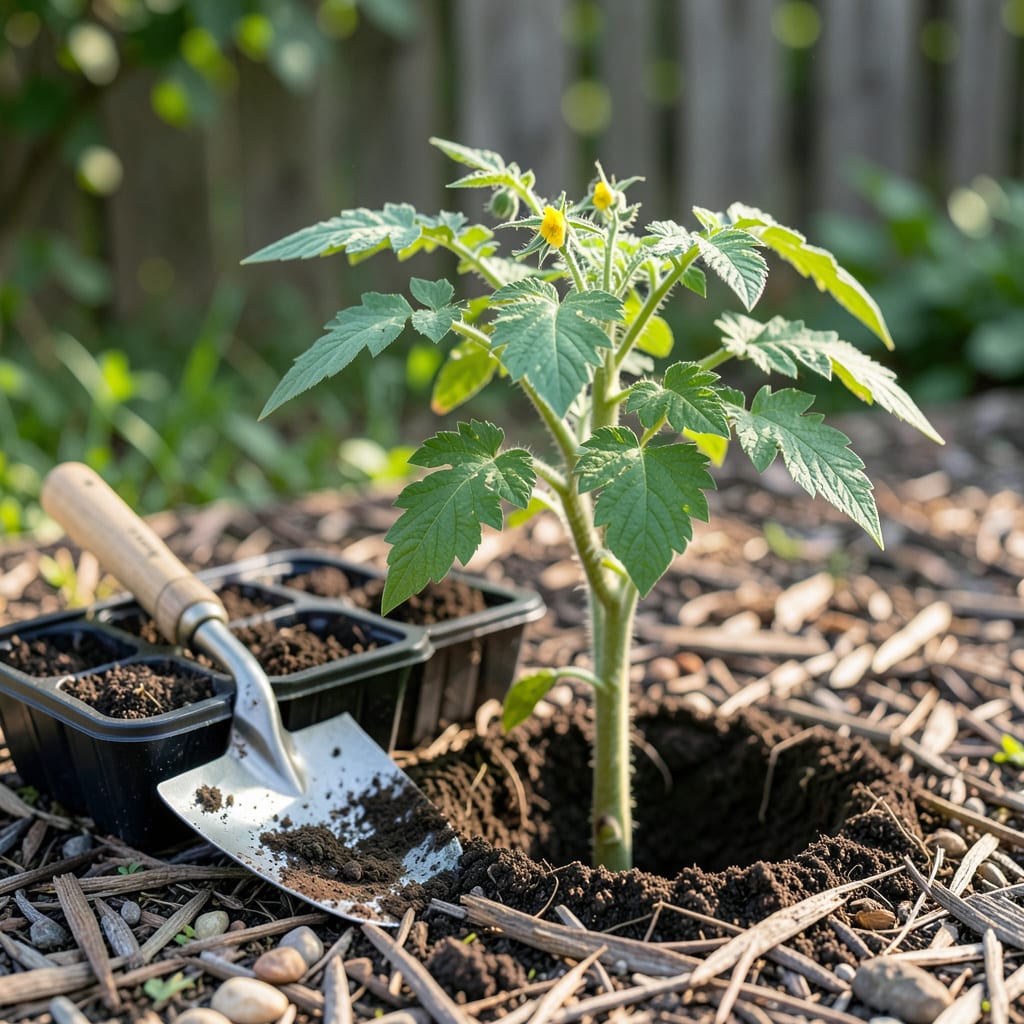
Timing isn’t just important in gardening—it’s everything. One wrong move in Zone 6A, and you could watch your hard work wither under an unexpected frost or struggle to mature before summer’s end. I’ve seen it happen too many times.
But here’s the good news: with the right schedule, your garden can thrive. Whether you’re dreaming of juicy 🍅 tomatoes or vibrant summer blooms, I’ll break down exactly when to plant for maximum success—no guesswork required. Let’s get your timing perfect.
If you’re gardening in Zone 6A, your growing season typically runs from mid-April to mid-October. That’s about 180 days of frost-free gardening—if you time it right. The key is knowing your last spring frost (around May 15) and first fall frost (around October 15).
I always tell gardeners to watch soil temperature more than just calendar dates. Cool-season crops like spinach and peas thrive when soil is 40-50°F, while warm-season plants like tomatoes and peppers need 60°F+. Let’s break it down month by month.🌱
| Month | Plant Type | What to Plant | Notes |
|---|---|---|---|
| March | Cool-Season | Peas, Spinach, Kale | Start indoors or direct sow after soil thaws |
| April | Cool-Season | Lettuce, Radishes, Carrots | Direct sow 2-3 weeks before last frost |
| May | Warm-Season | Tomatoes, Peppers, Beans | Plant after last frost when soil is 60°F+ |
| June | Warm-Season | Cucumbers, Squash, Corn | Successive planting ensures continuous harvest |
| July | Fall Crops | Broccoli, Cabbage, Beets | Start seeds indoors for fall transplant |
| August | Fall Crops | Kale, Spinach, Radishes | Direct sow for quick fall harvest |
| September | Garlic | Plant cloves 4-6 weeks before first frost | Mulch heavily for winter protection |
For spring planting, I always recommend starting cool-season crops like broccoli and cauliflower indoors 6-8 weeks before your last frost. This gives them a head start. Warm-season crops like tomatoes and peppers should wait until after the last frost when soil is warm.
Don’t forget about succession planting! For crops like lettuce and radishes, I plant a new batch every 2-3 weeks for continuous harvest. This technique maximizes your 180-day growing season in Zone 6A.🌿
When fall planting, timing is even more critical. Count backward from your first frost date (October 15) to determine when to plant. For example, kale needs about 60 days to mature, so I plant it in mid-August for a fall harvest.
Remember that microclimates can shift your planting dates by 1-2 weeks. South-facing slopes warm up faster, while low-lying areas stay cooler. I always keep a soil thermometer handy to check conditions before planting.☀️
For flowers, early spring is perfect for pansies and snapdragons, while summer is ideal for zinnias and marigolds. Fall-blooming mums and asters should go in the ground by late summer.
If you’re new to Zone 6A gardening, start with easy crops like bush beans, zucchini, and swiss chard. These are forgiving and produce well in our climate. Keep a garden journal to track what works best in your specific location.🪴
Don’t let the 150-day frost-free window intimidate you. With proper planning, you can grow an incredible variety of vegetables, herbs, and flowers. The key is starting seeds at the right time, using season extenders when needed, and always being ready to protect tender plants from unexpected frosts.
Even experienced gardeners can stumble in Zone 6A if they overlook key details. I’ve seen entire tomato crops wiped out by late frosts and lettuce bolt prematurely because of poor timing. The difference between success and failure often comes down to avoiding these common pitfalls.🌱
One of the biggest mistakes I notice is ignoring soil temperature. Many gardeners focus only on air temperature or calendar dates, but your plants care most about what’s happening underground. Cool-season crops need 40-50°F soil, while warm-season plants require 60°F+ to thrive.
Another critical error is misjudging frost dates. While May 15 is the average last frost date, I’ve seen frosts as late as May 25 in some years. Always check your local weather and be prepared to cover tender plants. The same goes for fall – don’t assume October 15 is safe for all plants.🌡️
Overcrowding plants is a mistake that reduces yields across the board. In our 150-day growing season, plants need proper spacing to access nutrients and sunlight. I recommend following seed packet spacing guidelines precisely, and using square foot gardening techniques for small spaces.
Many gardeners also neglect fall planting opportunities. Crops like kale, spinach, and garlic actually prefer cooler weather. I plant my garlic in late September, and it always outperforms spring-planted bulbs. Don’t let your garden sit empty after summer harvests!🪴
Finally, watering inconsistently causes more problems than most realize. Our Zone 6A summers can swing from drought to downpours. I use drip irrigation on a timer to maintain even moisture, especially for crops like tomatoes and peppers that are sensitive to water stress.
Remember, every mistake is a learning opportunity. I keep a garden journal to track what worked and what didn’t each season. This simple practice has helped me refine my planting schedule year after year, leading to bigger harvests and healthier plants.☀️
Gardening in Zone 6A comes with unique challenges that differ from neighboring zones. While Zone 5B has colder winters and Zone 7A enjoys longer growing seasons, we sit right in the middle with our 150 frost-free days. This means we need to be strategic about plant selection and timing.
Our average last frost date (May 15) comes about 2 weeks later than Zone 7A, but 2 weeks earlier than Zone 5B. This shorter window means we can’t always grow the same long-season varieties as warmer zones. I focus on fast-maturing varieties and use season extenders like row covers to maximize our growing time.🌱
| Feature | Zone 5B | Zone 6A | Zone 7A |
|---|---|---|---|
| Last Frost Date | May 30 | May 15 | April 15 |
| First Frost Date | October 1 | October 15 | November 1 |
| Frost-Free Days | 125 | 150 | 180 |
| Tomato Planting | Early June | Mid-May | Mid-April |
| Pea Planting | Late April | Late March | Early March |
| Fall Kale Planting | Early August | Mid-August | Late August |
When adapting techniques from Zone 7A, I always add 2 weeks to their planting dates. Their tomatoes might go in April 15, but I wait until May 15. For Zone 5B techniques, I can plant about 2 weeks earlier than their schedule, giving me a slight advantage with cool-season crops.
Our temperature swings are more dramatic than Zone 7A but less extreme than Zone 5B. I’ve learned to protect tender plants from late frosts while also being ready for summer heat waves. Using mulch helps moderate soil temperature, which is crucial for our climate’s ups and downs.☀️
For plant selection, I focus on varieties bred for shorter seasons. ‘Early Girl’ tomatoes perform better than ‘Brandywine’ in our zone. When trying plants recommended for Zone 7A, I start them indoors earlier to compensate for our shorter season. Always check seed packets for “days to maturity” – I aim for varieties under 80 days.
Remember that microclimates can make parts of your garden behave like different zones. My south-facing raised beds often act like Zone 7A, while my low-lying areas mimic Zone 5B. I use this to my advantage by planting heat-lovers in warm spots and cold-hardy crops in cooler areas.🪴
For most vegetables, begin 6-8 weeks before your last frost date (around May 15). This means starting tomatoes and peppers indoors in late March. Cool-season crops like broccoli can start even earlier in February.
Always have frost protection ready! Use row covers, cloches, or even old blankets to shield tender plants. For unexpected late May frosts, water plants thoroughly before covering—the moisture helps retain heat. Keep protection handy until early June.
Use cold frames or low tunnels to start plants 2-3 weeks earlier in spring. For fall, these same tools can protect crops like spinach well into November. I’ve harvested fresh greens in December using simple hoop tunnels.
Focus on fast-maturing varieties: ‘Early Girl’ tomatoes (50 days), ‘Bush Champion’ cucumbers (55 days), and ‘Little Finger’ carrots (55 days). These thrive in our 150-day window while larger heirlooms often struggle.
