
Beautiful Plants For Your Interior
Beautiful Plants For Your Interior
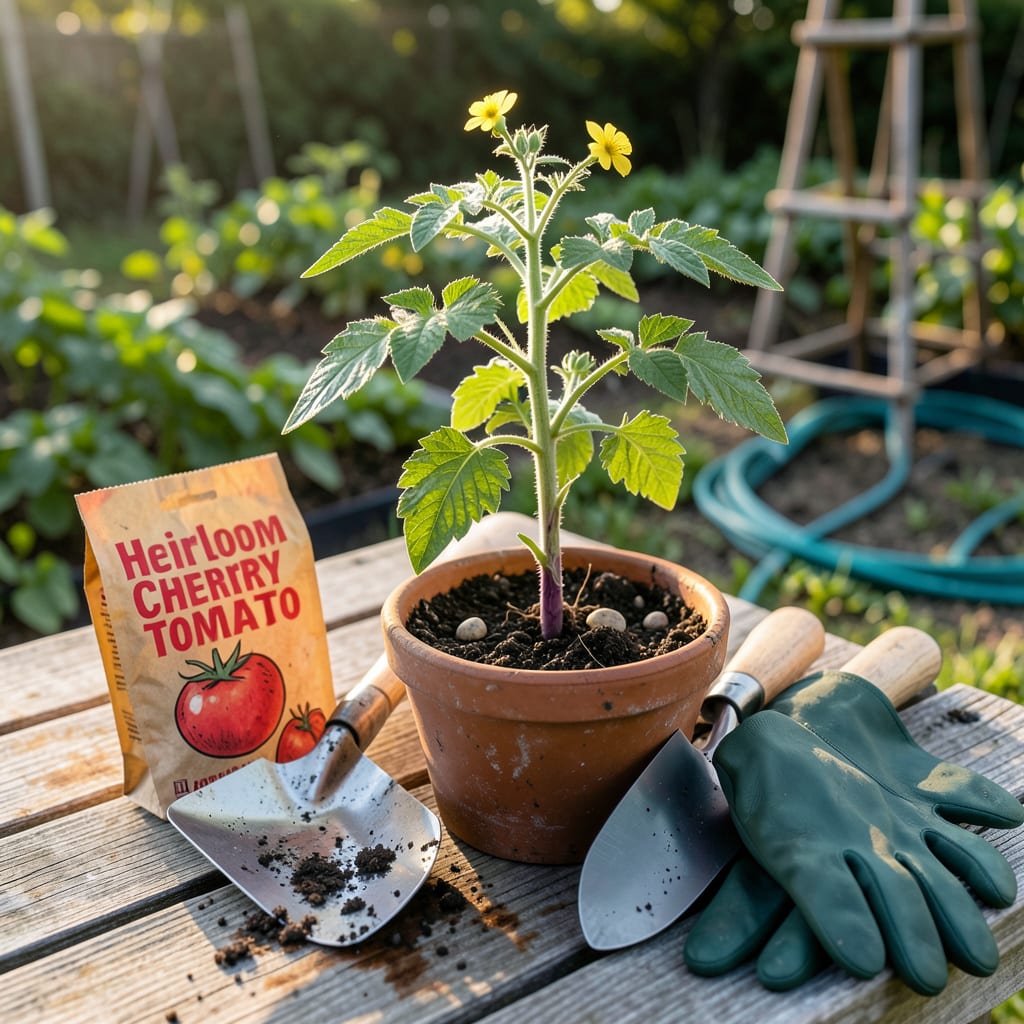
Timing can make or break your garden in Zone 6, where a single late frost or unexpected heatwave can derail months of effort. I’ve seen too many gardeners plant too early—only to lose everything to a surprise cold snap—or wait too long and miss their harvest window entirely.
The good news? With the right calendar, you can plant with confidence. Whether you’re growing crisp veggies, vibrant flowers, or hardy herbs, I’ll show you the exact windows to sow, transplant, and thrive. No more guessing—just bountiful harvests every season.
If you’re gardening in USDA Zone 6, you’ve got about 180 frost-free days to work with—typically from mid-April to mid-October. That’s plenty of time for two growing seasons if you plan right! Cool-season crops thrive in early spring and fall, while warm-season plants love the summer heat.
I always remind gardeners that soil temperature matters more than air temperature. For example, peas and spinach can handle soil as cool as 40°F, but tomatoes and peppers need it to hit at least 60°F before transplanting.
| Month | What to Plant | Method |
|---|---|---|
| March | Peas, lettuce, kale, radishes | Direct sow outdoors |
| April | Carrots, beets, broccoli, spinach | Direct sow; start tomatoes indoors |
| May | Beans, corn, cucumbers, squash | Direct sow after last frost |
| June | Melons, peppers, basil, sunflowers | Transplant seedlings; direct sow |
| July | Successive plantings of beans, carrots | Direct sow for fall harvest |
| August | Kale, spinach, radishes, lettuce | Direct sow for fall crops |
| September | Garlic, onions, cover crops | Direct sow; plant bulbs |
For frost-tender plants like tomatoes and peppers, I recommend starting seeds 6–8 weeks before your last frost (around April 15 for most of Zone 6). Use a heat mat to keep soil warm and speed up germination.
Don’t forget about fall planting! Many gardeners miss this second season, but cool-season crops like spinach and kale actually taste sweeter after a light frost. Aim to plant them 6–8 weeks before your first frost (around October 15).
If you’re growing perennials or bulbs, fall is ideal. Plant tulips and daffodils in October for spring blooms. For asparagus and rhubarb, early spring or fall works best—just give them space to spread!
Want to extend your season? Use row covers or cold frames to protect plants from unexpected frosts. I’ve kept lettuce and spinach alive well into November with just a simple floating row cover.
For herbs, basil and cilantro love warmth, so plant them in late May. Oregano and thyme, however, are hardy perennials—plant them in spring or early fall for years of harvests.
If you’re new to Zone 6, start with easy winners like zucchini, green beans, and marigolds. They’re forgiving and produce quickly. For flowers, zinnias and cosmos bloom all summer with minimal care.
Finally, keep a garden journal to track your last frost date each year—it can vary by a week or two! Over time, you’ll learn your microclimate’s quirks, like a sunny south-facing wall that warms up faster in spring.
With this schedule, you’ll maximize every day of Zone 6’s growing season. Happy planting! 🌱
Even experienced gardeners in Zone 6 can fall into traps that sabotage their harvests. I’ve seen it all—wilted seedlings from late frosts, stunted plants from cold soil, and missed harvests from poor timing. The good news? These mistakes are easy to fix once you know what to watch for.
One of the biggest errors is ignoring microclimates. Your backyard might have sunny spots that warm up weeks earlier than shady corners, or low areas where frost lingers. A simple soil thermometer can save you from planting too soon—50°F is ideal for most seeds, but tomatoes and peppers need 60°F+.
Another common mistake is misjudging frost dates. While April 15 is the average last frost for Zone 6, it can vary by 2+ weeks depending on your location. I always check my local weather station and keep row covers handy for unexpected cold snaps. A $10 frost blanket can save hundreds in plants!
Overwatering is another silent killer. Many gardeners drown their seedlings, thinking more water equals faster growth. Instead, aim for 1–1.5 inches per week (including rain), and always water deeply but infrequently to encourage strong roots. Stick your finger 1 inch into the soil—if it’s dry, it’s time to water.
Don’t overlook soil prep either. Zone 6’s clay-heavy soils can compact easily, suffocating roots. I amend my beds every spring with 2–3 inches of compost and a handful of perlite for drainage. A simple soil test (available at extension offices) reveals pH and nutrient levels, so you’re not guessing.
Finally, many gardeners forget to rotate crops, leading to pest and disease buildup. Never plant tomatoes or peppers in the same spot two years in a row. I use a 3-year rotation plan: Year 1—tomatoes; Year 2—beans; Year 3—leafy greens. This breaks pest cycles naturally.
By sidestepping these mistakes, you’ll turn Zone 6’s challenges into advantages. Keep a garden journal to track what works (and what doesn’t) in your microclimate. Over time, you’ll fine-tune your timing for bigger, healthier harvests every season. 🌿
If you’re gardening near the edges of Zone 6, you might wonder how your planting schedule compares to neighboring zones. The differences can be subtle but critical—especially for frost-sensitive plants like tomatoes and peppers. Understanding these nuances helps you adjust your timing for better success.
Zone 6 typically enjoys a longer growing season than Zone 5, with an average last frost around April 15 (vs. May 1 in Zone 5) and a first frost near October 15 (vs. September 30 in Zone 5). That’s 2 extra weeks in spring and fall—perfect for squeezing in a second planting of bush beans or lettuce.
| Feature | Zone 5 | Zone 6 | Zone 7 |
|---|---|---|---|
| Last Frost Date | May 1 (avg.) | April 15 (avg.) | April 1 (avg.) |
| First Frost Date | September 30 | October 15 | November 1 |
| Frost-Free Days | 150 | 180 | 210 |
| Best for Cool Crops | Spinach, peas | Lettuce, kale, radishes | Broccoli, cabbage |
| Warm-Season Stars | Early tomatoes | Peppers, eggplant, basil | Okra, sweet potatoes |
| Fall Planting Window | Short (late July) | August–September | September–October |
Compared to Zone 7, Zone 6 is cooler, which means some heat-lovers like okra and sweet potatoes struggle to mature. However, Zone 6 excels with cool-season crops like broccoli and Brussels sprouts, which often bolt too quickly in Zone 7’s heat. I’ve found kale and Swiss chard thrive in Zone 6’s mild falls.
If you’re near a zone boundary, pay attention to microclimates. A south-facing slope might mimic Zone 7, while a low-lying area could behave like Zone 5. Use a soil thermometer to guide planting—tomatoes need 60°F+ soil, while peas tolerate 40°F.
For perennials, Zone 6’s cold winters mean plants like rosemary may not survive outdoors (unlike Zone 7). Instead, opt for hardy herbs like thyme and oregano. Trees and shrubs also need winter protection—mulch heavily and wrap trunks to prevent frost cracks.
By leveraging Zone 6’s balanced climate, you can grow a wider variety than Zone 5 while avoiding Zone 7’s heat stress. Keep records of your local frost dates—they’re your best tool for fine-tuning planting times year after year. 🌿
For most warm-season crops, begin 6-8 weeks before your last frost date (around mid-April in Zone 6). Tomatoes and peppers thrive with this head start, but avoid starting too soon—overgrown seedlings transplant poorly.
Late planting risks stunted growth or no harvest before frost. For example, pumpkins need 100+ days to mature. Always check “days to harvest” on seed packets and count backward from your first frost date (typically October 15).
Fast-growing crops like radishes (30 days), bush beans (50 days), and spinach (40 days) thrive when planted in late July to early August. Use shade cloth to protect young plants from summer heat.
Keep frost blankets or old sheets on hand to cover tender plants overnight. For extra warmth, add Christmas lights (incandescent) under the cover. Remove covers by mid-morning to prevent overheating. A $10 investment can save your entire crop!
Bolting (premature flowering) happens when cool-season crops like lettuce or spinach face sudden heat. Prevent it by planting in early spring or late summer, using shade cloth, and keeping soil consistently moist. Bolting signals it’s time to switch to heat-tolerant varieties.
