
Beautiful Plants For Your Interior
Beautiful Plants For Your Interior
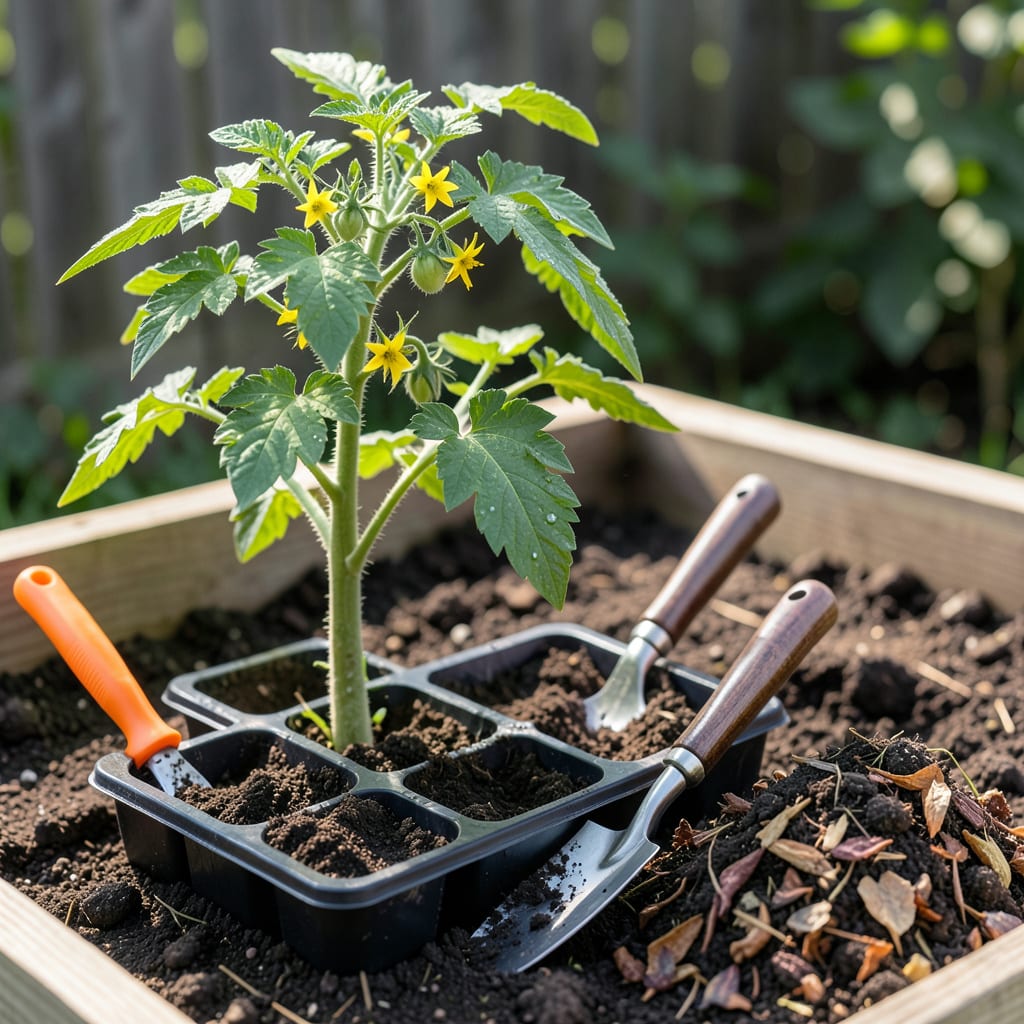
Texas gardeners know the struggle: plant too early, and a late frost wipes out your 🌱 General Vegetables. Wait too long, and the summer sun turns your garden into a crispy wasteland. Timing isn’t just important—it’s everything.
With planting windows that shift dramatically from Dallas to Houston, I’ll break down exactly when to get your seeds in the ground—by zone, by crop, and by season. No more guessing games, just bigger harvests and less wasted effort.
Texas spans USDA zones 6a to 10b, meaning planting dates vary wildly from Amarillo to Brownsville. In North Texas (Zone 8a), you’re racing against late frosts, while Gulf Coast gardeners (Zone 9b-10a) battle humidity and year-round heat. The key? Know your zone’s frost dates and seasonal quirks.
For example, Dallas gardeners (Zone 8a) should plant tomatoes in late March, while Houston’s Zone 9a can start them in February. Meanwhile, West Texas (Zone 7b-8a) deals with shorter growing seasons and intense sun. Let’s break it down by region—so you never waste seeds again.
| Region | USDA Zone | Last Frost | First Frost | Ideal Planting Window |
|---|---|---|---|---|
| North Texas (Dallas, Fort Worth) | 8a | March 15 – April 15 | October 15 – November 15 | March-April, September-October |
| Central Texas (Austin, San Antonio) | 8b-9a | February 15 – March 15 | November 15 – December 1 | February-March, September-November |
| South Texas (Houston, Corpus Christi) | 9a-10a | January 15 – February 15 | December 15 – January 15 | Year-round (avoid July-August heat) |
| West Texas (El Paso, Lubbock) | 7b-8a | April 1 – April 30 | September 15 – October 15 | April-May, August-September |
In North Texas, focus on cool-season crops like broccoli and spinach in early spring. By May, shift to heat-lovers like okra and peppers. Meanwhile, Gulf Coast gardeners can grow tomatoes almost year-round—except during July’s scorching heat.
Central Texas offers a longer season, but watch for unpredictable spring freezes. I always keep frost cloth handy until mid-March. For South Texas, the challenge is humidity and pests—plant disease-resistant varieties like ‘Celebrity’ tomatoes or ‘Black Diamond’ watermelons.
If you’re in West Texas, your growing season is shorter but intense. Prioritize drought-tolerant plants like Swiss chard and purslane. Use mulch heavily to combat dry winds and sandy soil. Pro tip: Drip irrigation saves water and reduces evaporation.
No matter your zone, soil prep is critical. Texas soils are often alkaline and clay-heavy. Amend with compost and sulfur to lower pH. For container gardening, use a lightweight potting mix—never native soil. Test your soil’s pH before planting; aim for 6.0-7.0 for most vegetables.
Timing isn’t just about frost—it’s about heat tolerance. In July and August, even heat-loving plants struggle. Use shade cloth (30-50%) for tomatoes and peppers to prevent sunscald. For fall planting, count backward from your first frost date to ensure harvests mature in time.
Want to extend your season? Try succession planting. Sow bush beans every 2 weeks in spring, or plant radishes between slower crops. In South Texas, you can even grow two tomato crops—one in spring, another in fall. Just avoid the peak summer lull when temps top 100°F.
Finally, don’t forget microclimates. Urban areas like Austin or Houston may have warmer pockets due to concrete and buildings. If you’re near a heat island, you might plant 2-3 weeks earlier than rural neighbors. Observe your space—sun exposure and wind patterns matter more than zip codes.
Texas gardeners face a unique challenge: our planting calendar doesn’t follow the traditional rules. While northern states are buried in snow, we’re sowing cool-season crops in February. And when summer hits? Only the toughest heat-lovers survive. Let’s map out your year.
I’ve broken this down by monthly tasks, not just dates. You’ll know exactly what to plant—and what to avoid—based on Texas’s wild temperature swings. Whether you’re in Dallas or Houston, this guide keeps you on track for bigger harvests and fewer failures.
Plant: Onions, lettuce, spinach, carrots (South/Central Texas). Prep: Test soil pH; add compost for spring planting. Avoid: Warm-season crops—it’s still too cold!
Plant: Tomatoes, peppers, beans (after last frost). Tip: Use row covers for early starts in North Texas. Watch for: Late freezes—keep frost cloth ready!
Plant: Okra, sweet potatoes, Southern peas. Skip: Lettuce, broccoli—they’ll bolt or fry. Pro move: Mulch heavily to retain moisture and cool roots.
Plant: Kale, Brussels sprouts, garlic. Timing: Count backward from first frost. Bonus: Refresh soil with compost after summer’s heat depletes nutrients.
Plant: Hardneck garlic, onions (South Texas). Do: Clean up garden debris to reduce pests. Plan: Order seeds for next year’s heat-tolerant varieties!
In February, Central Texas gardeners can direct-sow potatoes and peas, while North Texas should wait until March. South Texas? You’re already harvesting early tomatoes by now! The secret is succession planting—sow bush beans every 2 weeks for continuous harvests.
By April, most of Texas is all-in on warm-season crops. But here’s the catch: clay soil drains poorly, so raise beds or amend with perlite. In May, shift to drought strategies. I use soaker hoses to deliver water directly to roots, reducing waste and fungal risks.
June’s heat demands smart choices. Stick to heat-tolerant varieties like ‘Arkansas Traveler’ tomatoes or ‘Jalapeño M’ peppers. If you’re growing herbs, basil and rosemary thrive, but cilantro will bolt—switch to shade cloth or grow it in partial sun.
Come October, it’s time for fall greens. North Texas can plant spinach and radishes, while Gulf Coast gardeners add cauliflower. November is perfect for garlic—plant cloves pointy-side up, 2 inches deep. By December, focus on soil health: add cover crops like clover to prevent erosion.
Remember: Texas weather is unpredictable. Always have frost cloth and shade solutions ready. And if a late freeze or heatwave hits? Don’t panic—adjust, replant, and keep notes for next year. That’s how we turn Texas’s challenges into gardening wins! 🌱
Even seasoned Texas gardeners make mistakes—especially when our unpredictable weather throws curveballs. From alkaline soil surprises to heatwave miscalculations, these errors can derail an entire season. Let’s tackle the top five I see (and fix!) most often in Texas gardens.
First up: ignoring your soil’s pH. Texas soils are notoriously alkaline (pH 7.5-8.5), which locks out nutrients like iron and zinc. If your tomatoes have yellow leaves despite fertilizing, this is likely why. Always test and amend with sulfur or peat moss before planting.
Another biggie: misjudging heat tolerance. Just because a plant is labeled “heat-loving” doesn’t mean it thrives in 105°F. I’ve lost eggplants to sunscald by skipping 30% shade cloth in July. For peppers and tomatoes, afternoon shade is a lifesaver. Use lightweight fabric—it cuts temps by 10-15°F.
Overcrowding is a silent yield-killer. Texas’s long growing season tempts us to pack plants too close. Follow spacing guidelines—18 inches for tomatoes, 12 inches for peppers—to ensure airflow and reduce fungal diseases like early blight. In humid Gulf Coast areas, add extra space to combat moisture-related issues.
Don’t forget watering mistakes. Clay soil (common in North/Central Texas) holds water but drains poorly, while sandy soil (West Texas) dries fast. The fix? Drip irrigation on a timer—1 inch per week in spring/fall, 2 inches in summer. Always water deeply and early (before 10 AM) to prevent evaporation.
Finally, timing errors wreck harvests. Planting broccoli in May? It’ll bolt before forming heads. Use your first frost date to plan backward. For example, North Texas gardeners should sow fall carrots by late August for a October harvest. Keep a gardening journal to track what works—and what flops—in your microclimate. 🌱
Use the USDA Plant Hardiness Zone Map and enter your ZIP code. Texas ranges from Zone 6a in the Panhandle to Zone 10b near the Gulf Coast. For hyper-local accuracy, check with your county extension office—they often adjust dates based on microclimates.
Almost! South Texas (Zones 9a-10b) allows year-round gardening, but July-August’s extreme heat stresses most plants. Focus on heat-tolerant crops like okra or Southern peas during summer, and use 30% shade cloth for tomatoes. Winter is ideal for cool-season greens.
Planting too early in spring—late frosts (even in Zone 9a!) can wipe out tender seedlings like peppers and basil. Always wait until after your last frost date, and keep frost cloth handy until mid-March. Another pitfall? Ignoring soil pH—Texas’s alkaline soil often needs amending.
Use the “count backward” method: Subtract a crop’s days to maturity from your first frost date. For example, if broccoli needs 60 days and frost hits November 15, plant by September 15. Always err on the side of planting a week later—Texas heat speeds up growth!
Avoid cool-weather crops like Brussels sprouts in summer—they bolt in 90°F+ temps. Cauliflower and cabbage struggle in humid Gulf Coast areas without careful timing. Stick to heat-adapted varieties (e.g., ‘Heatmaster’ tomatoes) and use shade cloth for sensitive plants.
