
Beautiful Plants For Your Interior
Beautiful Plants For Your Interior
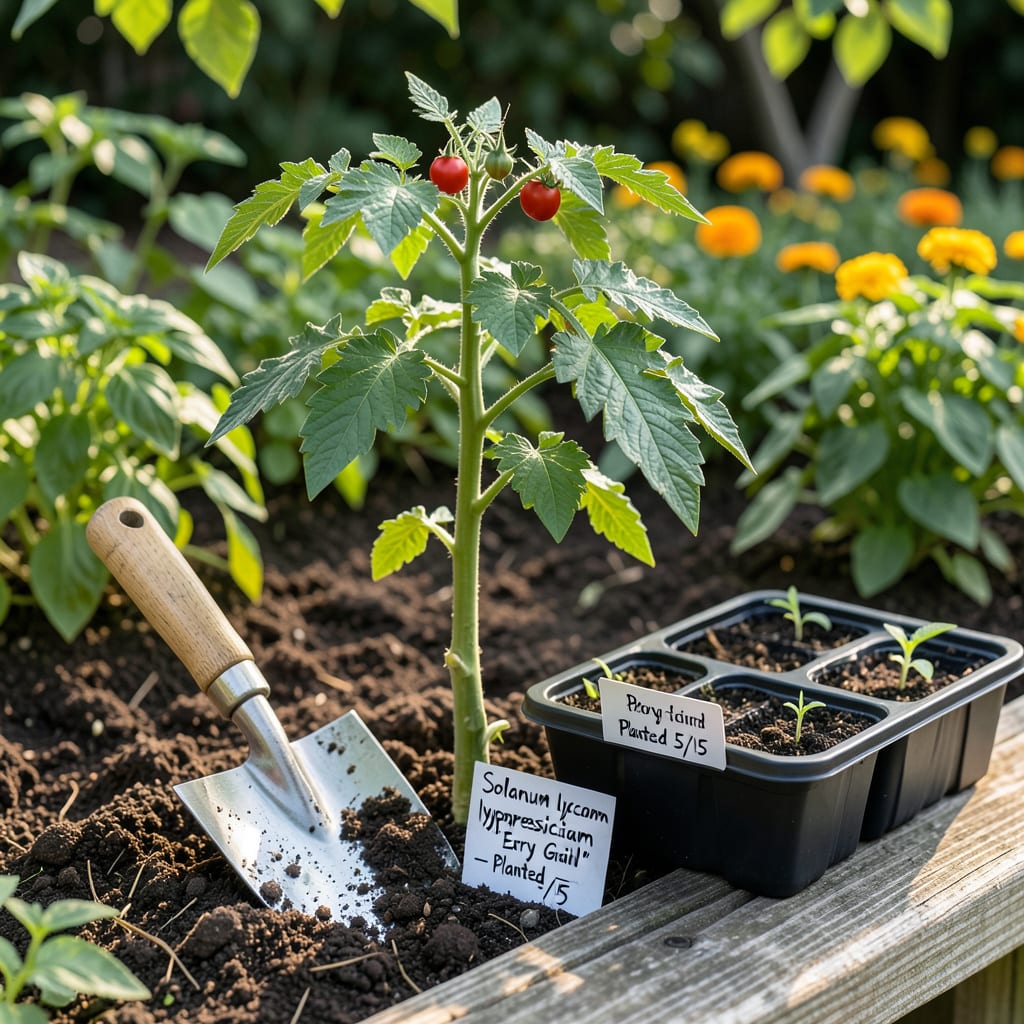
One wrong planting date in Ohio can mean the difference between a thriving garden and a frost-ruined disaster. I’ve seen eager gardeners lose entire crops by jumping the gun in early spring—only to watch their tender seedlings succumb to a late freeze.
But here’s the good news: Ohio’s 165 frost-free days give you plenty of time to get it right. Whether you’re in Zone 6 or dealing with microclimates near Lake Erie, I’ll show you exactly when to plant for a harvest that lasts from summer straight through fall. Let’s nail that timing.
If you’ve ever lost seedlings to a late Ohio frost, you know timing isn’t just important—it’s everything. Our state spans USDA Zones 5-7, meaning your planting calendar shifts dramatically from Toledo to Columbus. The secret? Soil temperature beats air temperature every time for seeds like tomatoes.
Northern Ohio gardeners (Zone 5-6) face May 15 as their safe planting date, while southern regions (Zone 6-7) can start 2-3 weeks earlier. But here’s the kicker: Lake Erie’s microclimate creates pockets where frost lingers longer. Always check your local frost dates before planting!
Here’s what most Ohio gardeners miss: Soil temperature should hit 60°F for warm-season crops like peppers. I use a simple meat thermometer (yes, really!) to check at 2-inch depth. Cold soil causes seeds to rot before germinating—especially sensitive crops like cucumbers and squash.
Microclimates matter more than you think. My Cleveland garden near Lake Erie stays cooler longer, while my friend’s urban Cincinnati plot warms up faster. South-facing slopes and paved surfaces can create warm pockets perfect for early planting. Track your garden’s temps with a $10 soil thermometer—it’s my #1 tool!
Don’t trust the calendar blindly. In 2023, a late April freeze wiped out many Ohio gardens. I now watch the 10-day forecast religiously before planting tender crops. Pro tip: Row covers can protect plants down to 28°F, buying you 2-3 weeks on either end of the season.
Ohio’s frost-free window ranges from 143 days (northern) to 193 days (southern). That’s why southern gardeners can grow long-season melons while northern folks should stick to fast-maturing varieties. Always check your seed packet’s “days to maturity” against your frost dates.
Remember: Fall planting is just as critical. I plant garlic in October and spinach in September for early spring harvests. The soil stays warm long after air temps drop. Use a low tunnel to extend your season by 4-6 weeks—game changer for Ohio’s short growing window!
Your county extension office is your best friend. They track hyper-local frost data and often provide free soil testing. I call mine every spring to confirm planting dates. Their Ohio Planting Calendar is more accurate than any national guide for our unique climate.
Still unsure? Start a garden journal this year. Track your planting dates, frost events, and harvest times. After 2-3 seasons, you’ll have a customized calendar tailored to your exact microclimate. That’s how I went from frost victims to having my earliest tomatoes on the block!
Next up: Let’s dive into exactly what to plant when in Ohio—month by month. You’ll be shocked how much you can grow in our “short” season with the right timing! 🌱
I’ve spent years perfecting my Ohio planting calendar, and here’s what I’ve learned: March through June are your power months. But the exact timing varies wildly between cool-season crops like peas and warm-season favorites like tomatoes. Let me break it down month by month.
Early spring is all about cold-hardy vegetables. I start peas and spinach as soon as the soil is workable—often late March in southern Ohio, early April up north. These crops actually thrive in 40-60°F soil and can handle light frosts.
May is magic in Ohio gardens. This is when I transplant my tomato seedlings (started indoors in March) and direct sow green beans and sweet corn. The soil should consistently hit 60°F by mid-May statewide—perfect for heat-loving crops.
Don’t overlook succession planting. I sow new lettuce and radishes every 2 weeks through August. This technique gives me continuous harvests instead of one big glut. For bush beans, I plant a new row every 3 weeks until early July.
June brings the warm-season giants. I direct sow pumpkins and watermelons after June 1st in southern Ohio, but northern gardeners should wait until June 10-15. These need 70°F+ soil to thrive. Use black plastic mulch to warm soil faster if you’re pushing the season.
Fall planting starts earlier than you think. I plant garlic cloves in mid-October and spinach in late September. These overwinter beautifully. For spring harvests, try planting kale and collards in August—they’ll sweeten after light frosts.
Remember: row covers can extend your season by 3-4 weeks on either end. I use them for early spring lettuce and late fall carrots. They’re my secret weapon against Ohio’s unpredictable shoulder seasons. Always keep some frost blankets on hand!
Pro tip: Create a planting reminder calendar on your phone. I set alerts for soil prep, planting dates, and fertilizing schedules. This keeps me on track when life gets busy. Your future self will thank you come harvest time! 🌿
After years of trial and error in my Ohio garden, I’ve seen the same timing mistakes wreck harvests again and again. The biggest offender? Ignoring soil temperature. I once lost an entire row of beans by planting when air temps hit 60°F—but the soil was still a chilly 50°F.
Many Ohio gardeners also plant heat-loving crops too early. Even after our last frost date, nighttime temps below 50°F can stunt tomatoes and peppers. I learned this the hard way when my early-planted peppers sat dormant for weeks.
Another costly error is planting by calendar dates alone. In 2022, a late May freeze hit northern Ohio after many had already planted. Now I always check the 10-day forecast and have frost blankets ready. A $20 investment can save hundreds in lost plants.
Many Ohio gardeners also underestimate fall’s potential. I plant garlic in October and onion sets in September for next year’s harvest. The soil stays warm enough for root development long after air temps drop. Use a soil thermometer to track—it should stay above 50°F.
Here’s my recovery plan if you’ve already made these mistakes: For stunted plants, try liquid seaweed fertilizer to reduce shock. Frost-damaged leaves? Prune them immediately to prevent disease. And always keep extra seeds for replanting—Ohio’s long summers often allow a second chance!
Remember: Every mistake is a lesson. My first Ohio garden was a disaster, but now I use planting alarms on my phone and track microclimates. The key is observing your specific garden—what works for Cincinnati might fail in Cleveland. Keep notes, adjust yearly, and you’ll master Ohio’s tricky timing! 🌿
Check your county’s OSU Extension office website for hyper-local data. Northern Ohio typically sees its last frost around May 15, while southern regions often hit it by April 15. Always cross-check with a 10-day forecast before planting tender crops.
Only in southern Ohio (Zone 6-7) with protection. Northern gardeners should wait until May 15-20 unless using row covers or wall-o-waters. Soil must stay above 60°F—use a thermometer to confirm before transplanting.
Focus on cold-hardy crops like peas and spinach. These thrive in 40-60°F soil and tolerate light frosts. Use raised beds—they warm faster than ground soil. Always have frost blankets ready for unexpected cold snaps.
Count backward from your first frost date (around October 15 for most areas). Fast growers like radishes need 4 weeks, while kale can handle light frosts. Plant garlic in October for next summer’s harvest—it needs winter chill.
Yes! Heat islands in cities like Columbus or Cincinnati create microclimates that are 1-2 weeks ahead of rural areas. Track your garden’s temps with a soil thermometer—paved surfaces and south-facing walls can create warm pockets perfect for early planting.
