
Beautiful Plants For Your Interior
Beautiful Plants For Your Interior
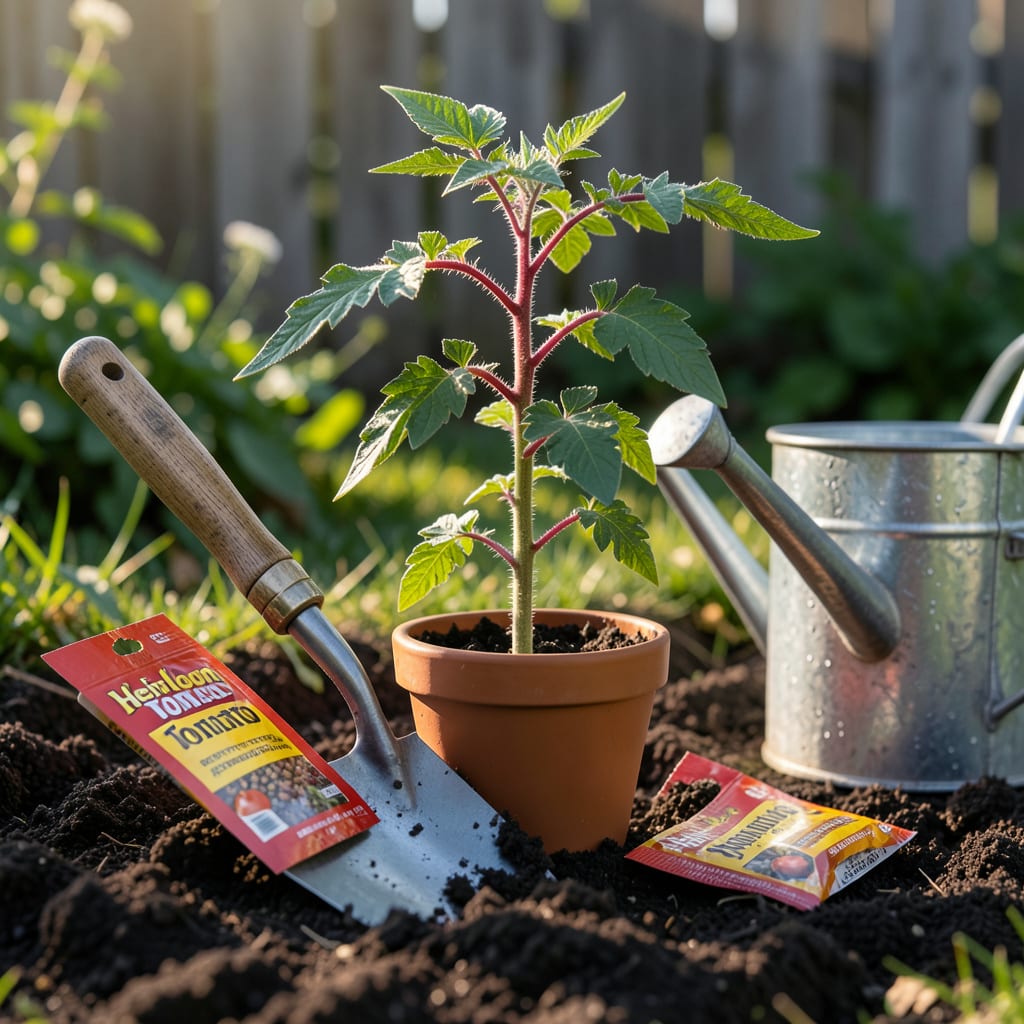
Michigan’s unpredictable springs can turn planting into a guessing game—one wrong move and your garden pays the price. I’ve seen entire crops lost to late frosts or stunted by chilly soil, and it’s heartbreaking after all that prep work.
But here’s the good news: timing isn’t luck—it’s science. Whether you’re in Traverse City or Detroit, I’ll break down the exact windows for your zone so you can plant with confidence. No more crossing fingers or wasted seeds—just a thriving garden that outsmarts Michigan’s mood swings.
Michigan’s USDA zones 5a-6b create a unique challenge for gardeners. The last frost dates range from early May in the south to late May up north, while first frosts hit as early as mid-September in the UP. I’ll break down the perfect planting windows for your exact location.
Whether you’re in Detroit (Zone 6b) or Traverse City (Zone 5a), timing is everything. Cool-season crops like spinach and peas thrive in early spring, while tomatoes and peppers need warm soil. Let’s dive into the specifics.
| Crop Type | Zone 5a (UP) | Zone 5b (Central) | Zone 6a-6b (South) |
|---|---|---|---|
| Cool-Season Veggies (Peas, Spinach, Lettuce) |
April 15 – May 1 | April 1 – April 15 | March 15 – April 1 |
| Warm-Season Veggies (Tomatoes, Peppers, Beans) |
May 20 – June 1 | May 10 – May 20 | May 1 – May 15 |
| Herbs (Basil, Cilantro, Dill) |
May 15 – June 1 | May 1 – May 15 | April 15 – May 1 |
| Fall Crops (Kale, Carrots, Radishes) |
July 15 – August 1 | July 25 – August 10 | August 1 – August 15 |
For Zone 5a gardeners in the Upper Peninsula, your growing season is shorter—just 120-140 days. Focus on fast-maturing varieties like ‘Early Girl’ tomatoes (50 days) or ‘Bush Champion’ cucumbers (55 days). Always use black plastic mulch to warm soil faster.
In Zone 6b (southern Michigan), you gain 2-3 extra weeks of growing time. Take advantage by planting succession crops of bush beans every 2 weeks through July. I recommend ‘Blue Lake’ beans for their reliability in Michigan’s climate.
The Lake Michigan lakeside effect creates a warmer microclimate within 5 miles of the shore. If you’re in Grand Rapids or Muskegon, you can often plant 1-2 weeks earlier than inland areas. Use a soil thermometer to confirm—60°F is ideal for most warm-season crops.
For flowers, pansies and snapdragons handle Michigan’s cool springs beautifully. Plant them 4-6 weeks before last frost. Marigolds and zinnias should wait until soil reaches 65°F, typically late May in most zones.
Remember: Michigan’s weather is unpredictable. Always have row covers ready for late frosts. I keep a floating row cover and old blankets on hand to protect tender plants. Check the National Weather Service for localized frost warnings.
Pro tip: Use the Michigan State University Extension’s GDD Tool (Growing Degree Days) to track heat accumulation. For example, sweet corn needs 850-1,200 GDD to mature. This takes the guesswork out of planting dates!
Finally, keep a garden journal with your planting dates and first/last frost observations. Over time, you’ll create a personalized Michigan planting calendar tailored to your exact microclimate. My journal has saved me from many weather-related disasters!
Even experienced Michigan gardeners sometimes get planting timing wrong. I’ve seen entire tomato crops wiped out by late frosts and stunted peppers from cold soil. Let’s examine the most common mistakes so you can avoid them this season.
One major error is ignoring microclimates. Your backyard might be 5°F cooler than the airport weather station. Always use a soil thermometer rather than just calendar dates. Soil temperature matters more than air temperature for germination.
Many gardeners misjudge last frost dates. While May 15 is the average for Zone 6, I’ve seen frost in early June in northern Michigan. Always check the NOAA frost probability maps for your exact location.
Another costly mistake is planting heat-lovers too early. Peppers and eggplants won’t grow in 50°F soil. Wait until soil reaches 65°F—use a $10 soil thermometer to be sure. I lost an entire jalapeño crop by planting too early one year.
Don’t overlook fall planting windows. Broccoli and Brussels sprouts actually taste sweeter after light frosts. In Zone 5, plant these by July 15; in Zone 6, you have until August 1. Use a planting calculator to count backward from your first frost date.
Finally, many gardeners forget about day length. Onions and potatoes need 12+ hours of daylight to bulb properly. In northern Michigan, plant these by May 1 to ensure they mature before days get shorter. I use a sunlight tracker app to monitor daylight hours.
Remember: Michigan’s weather is unpredictable. Keep floating row covers and old blankets handy for surprise frosts. I’ve saved many tender seedlings this way. When in doubt, wait a week—it’s better than losing your plants to a late freeze!
Michigan’s short growing season doesn’t have to limit your harvest. With 165 frost-free days in Zone 6 and even fewer up north, every extra week counts. I’ve tested these season-extending methods in my own garden—some added 30+ days to my harvest window last year.
Start with cold-hardy varieties bred for short seasons. Look for terms like “early maturity” or “cold tolerant” on seed packets. My favorites include ‘Stupice’ tomatoes (52 days) and ‘Sugar Ann’ snap peas (56 days). These can handle Michigan’s cool springs better than standard varieties.
Add 2-4 weeks to both ends of season. Use floating row covers for frost protection down to 28°F.
Extend season by 4-6 weeks. DIY with PVC pipes and plastic sheeting for under $50.
Stagger plantings every 2 weeks. Great for lettuce, radishes, and bush beans.
Use black plastic mulch or cloches to warm soil 10°F faster in spring.
Row covers are my secret weapon for early spring and late fall. These lightweight fabrics let in 70% light while protecting plants down to 28°F. I use them for spinach in March and kale through November. Secure edges with soil or bricks to prevent wind damage.
For serious season extension, build a simple cold frame. My DIY version uses old windows on a wooden frame. It cost $20 and lets me grow salad greens year-round. In Zone 6, I’ve harvested fresh lettuce in December using this method.
Don’t forget about fall planting—it’s Michigan’s best-kept secret! Many crops like carrots and beets actually taste sweeter after light frosts. I plant my fall garden by July 15 in Zone 5 and August 1 in Zone 6. Use a planting calculator to count backward from your first frost date.
For heat-loving plants like peppers and eggplants, try wall-o-water devices. These water-filled rings create a mini greenhouse effect, warming air by 10-15°F. I’ve grown jalapeños in Zone 5 using this trick when neighbors couldn’t!
Use the USDA Plant Hardiness Zone Map and enter your ZIP code. Most of Michigan falls between Zones 4-6, with the Upper Peninsula in 4-5a and southern areas in 6a-6b. For hyper-local accuracy, check with your county MSU Extension office.
Yes! Coastal areas benefit from the “lake effect”—warmer springs and milder falls. You can often plant 1-2 weeks earlier than inland zones. Use a soil thermometer to confirm conditions, as lake proximity raises nighttime temps by 5-10°F.
Cold soil (below 50°F) causes seeds to rot or germinate poorly. Tender plants like tomatoes may stunt or die in late frosts. Always wait until after your last frost date (typically May 10-20 for most zones). When in doubt, use row covers for protection.
Cool-season crops like peas, spinach, kale, and lettuce thrive in 40-60°F soil. Plant these 4-6 weeks before last frost (as early as March in Zone 6). They’ll sweeten with light frosts and bolt less in Michigan’s cool springs.
Keep floating row covers, old blankets, or plastic cloches on hand. Cover plants before sunset to trap heat, and remove coverings by 10 AM to prevent overheating. For potted plants, move them to a garage or porch overnight.
