
Beautiful Plants For Your Interior
Beautiful Plants For Your Interior
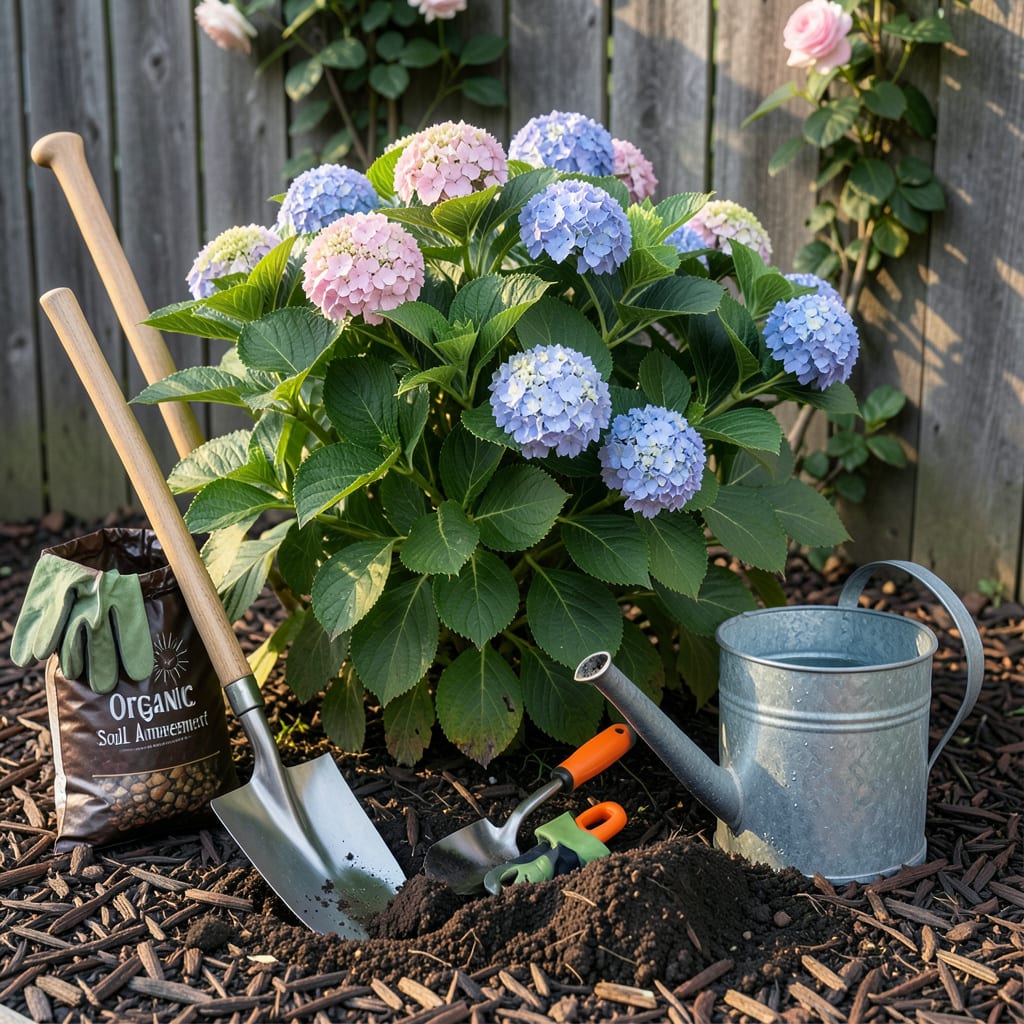
Wisconsin’s unpredictable weather can turn hydrangea planting into a gamble—plant too soon, and late frosts might wipe out your 🌸. Wait too long, and summer heat could stress those delicate roots before they establish.
After years of testing what works in Zones 4b-5a, I’ve nailed down the exact windows for success. Whether you’re planting in spring or fall, I’ll show you how to time it perfectly for vibrant blooms that thrive—not just survive—through Wisconsin’s tough seasons.
If you’ve ever admired those lush hydrangea blooms in Wisconsin gardens, you know timing is everything. Our Zone 5 climate throws curveballs—late frosts in spring and early freezes in fall. Plant too soon, and tender roots face frostbite; wait too long, and summer heat stresses young shrubs. The sweet spot? Late April to mid-May or September to early October. 🌱
Wisconsin’s frost dates vary dramatically. In southern WI (Milwaukee area), the last frost hits around April 30, while northern WI (Green Bay) often waits until May 30. For fall planting, aim to finish 6 weeks before your first frost—typically October 1 in most regions. Soil temperature matters too: 50°F or warmer is ideal for root growth.
| Planting Window | Pros | Cons |
|---|---|---|
| Spring (Late April–Mid-May) | Warmer soil speeds root growth; full season to establish before winter | Risk of late frost; requires consistent watering in summer heat |
| Fall (September–Early October) | Cooler temps reduce stress; roots focus on growth, not blooms | Shorter window; must plant 6+ weeks before first frost |
💡 Pro Tip: Fall-planted hydrangeas often thrive better in Zone 5—they develop stronger root systems before winter dormancy.
For bigleaf hydrangeas (Hydrangea macrophylla), like ‘Endless Summer,’ fall planting is my top recommendation. These varieties need consistent moisture and benefit from cooler autumn temps. Panicle hydrangeas (Hydrangea paniculata), such as ‘Limelight,’ are more forgiving and can handle spring or fall planting with equal success. 🌿
Soil prep is non-negotiable in Wisconsin. Our clay-heavy soils drain poorly, which hydrangeas despise. Before planting, amend the hole with compost or pine bark fines to improve drainage. A 2–3 inch layer of mulch (shredded bark or pine straw) helps retain moisture and insulates roots—critical for overwintering in Zone 5.
Watch the microclimates in your yard. South-facing slopes warm up faster in spring but dry out quicker. North-facing spots stay cooler, which can be ideal for afternoon shade—hydrangeas’ golden rule. If you’re in a windy area (common near Lake Michigan), consider a windbreak to protect new plants. ☀️
Here’s a trick I swear by: Plant on cloudy days or in the early morning. This reduces transplant shock, especially for container-grown hydrangeas. Water deeply after planting—1–2 gallons per shrub—and keep the soil moist (but not soggy) for the first 4–6 weeks. A drip irrigation system is a game-changer for Wisconsin’s humid summers.
If you’re tempted to plant in summer, resist! The combo of heat and humidity stresses hydrangeas, and they’ll struggle to establish roots. The only exception? Container-grown plants in partial shade, but even then, they’ll need daily watering and extra TLC. Trust me, it’s not worth the risk. 💧
For northern Wisconsin gardeners (Zones 3–4), lean toward early fall planting (late August to early September). The window closes faster up north, and you’ll want roots well-established before October’s first frost. In southern WI (Zone 5), you can push fall planting to mid-October if the forecast stays mild.
Still unsure? Grab a soil thermometer—they’re cheap and take the guesswork out of planting. When the soil hits 50°F at 6 inches deep, you’re good to go. And remember: Hydrangeas planted in fall need a thick mulch layer (4–6 inches) to survive Wisconsin winters. Use straw or shredded leaves for extra insulation. 🪴
Planting hydrangeas in Wisconsin isn’t just about timing—it’s about preparing the right spot to help them thrive. Our clay-heavy soils and temperature swings demand extra care. Start by choosing a location with morning sun and afternoon shade, especially for bigleaf varieties like ‘Endless Summer.’ 🌿
Avoid low-lying areas where cold air settles—these spots are prone to late frosts, which can damage new growth. If your yard has poor drainage, consider planting on a slight mound or in a raised bed to prevent root rot. Wisconsin’s winds can also be harsh, so a windbreak (like a fence or shrub row) helps protect young plants.
💡 Wisconsin Tip: For fall plantings, add an extra 2 inches of mulch after the first hard frost to insulate roots.
After planting, water consistency is key. In Wisconsin’s humid summers, hydrangeas need 1–2 inches of water weekly—more during droughts. A drip irrigation system delivers moisture directly to roots while reducing fungal risks. For newly planted hydrangeas, check soil daily for the first two weeks; stick your finger 1 inch deep—if it’s dry, water thoroughly. 💧
Wisconsin’s alkaline soils (pH 7.0+) can turn pink hydrangeas blue or cause nutrient deficiencies. Test your soil with a home kit ($10 at garden centers). If pH is above 6.5, mix in elemental sulfur or peat moss at planting. For blue blooms, aim for a pH of 5.2–5.5; for pink, keep it near 6.0–6.2. 🌷
Don’t skip the mulch—it’s a lifesaver in Wisconsin. Use shredded bark, pine straw, or compost to retain moisture and regulate soil temperature. In northern WI, add a 4–6 inch layer before winter. Avoid piling mulch against the stem, which can invite pests or rot. For extra winter protection, wrap young shrubs in burlap or use a wire cage filled with leaves. 🪴
Finally, resist the urge to prune at planting. Wait until after the first bloom cycle to shape your hydrangea—unless you’re removing dead or damaged wood. For re-blooming varieties like ‘Endless Summer,’ prune lightly in early summer to encourage a second flush. Always use clean, sharp pruners to avoid tearing stems. ✂️
Even experienced gardeners can stumble when planting hydrangeas in Wisconsin’s finicky climate. The biggest blunder? Planting too late in fall. Remember, roots need 6+ weeks to establish before the ground freezes. In northern WI, that means wrapping up by early September—not October! 🌱
Another critical error is ignoring Wisconsin’s alkaline soil. Our native pH (often 7.0+) can turn pink hydrangeas blue or lock out nutrients like iron. Always test your soil before planting. If the pH is above 6.5, mix in elemental sulfur or peat moss to lower it. For blue blooms, aim for pH 5.2–5.5; for pink, keep it near 6.0–6.2.
💡 Quick Fix: Use a moisture meter ($10 at garden centers) to avoid overwatering in Wisconsin’s humid summers.
Overwatering is the third pitfall, especially in Wisconsin’s humid summers. While hydrangeas love moisture, soggy soil invites root rot and fungal diseases like powdery mildew. Stick your finger 1–2 inches deep into the soil—if it’s damp, hold off on watering. A drip irrigation system on a timer helps maintain consistent moisture without overdoing it. 💧
Here’s a mistake I see often: Skipping mulch in winter. Wisconsin’s freeze-thaw cycles can heave new plants right out of the ground. After planting, add a 4–6 inch layer of shredded bark or straw around the base (but not touching the stem). For extra protection in Zones 4–5, wrap shrubs in burlap or use a wire cage filled with leaves.
Finally, don’t fall for the “more fertilizer = better blooms” myth. In Wisconsin, over-fertilizing—especially with high-nitrogen blends—can lead to leafy growth but fewer flowers. Stick to a balanced 10-10-10 fertilizer in early summer, and avoid feeding after August 1. This gives plants time to harden off before winter. ✂️
If you’ve already planted and notice yellowing leaves or stunted growth, don’t panic. Test your soil’s pH and moisture levels first. Often, the fix is as simple as adjusting your watering schedule or adding a chelated iron supplement (common in alkaline soils). With these tweaks, your hydrangeas will bounce back—and thrive—in Wisconsin’s challenging climate. 🌿
Fall is often ideal in Wisconsin because cooler temps reduce transplant shock. Roots establish faster without summer heat stress, and plants focus energy on growth—not blooms. Aim for September to early October, finishing 6+ weeks before first frost.
Start in containers if you’re unsure about timing or soil conditions. Use a well-draining potting mix and keep them in partial shade. Transplant to the ground in late May after the last frost risk passes.
Cover young shrubs with frost cloth or burlap if temps drop below 32°F. For extra protection, add a 2–3 inch mulch layer around the base (avoid touching stems). Morning sun exposure helps thaw plants gently.
Planting too late in fall! Roots need 6+ weeks to establish before soil freezes. In northern WI, finish by early September; southern regions can push to mid-October. Skipping this window risks winter dieback.
Yes! Wisconsin’s alkaline soil (pH 7.0+) turns pink hydrangeas blue. For pink blooms, raise pH to 6.0–6.2 with lime. For blue, lower to 5.2–5.5 using sulfur or peat moss. Test soil annually.
