
Beautiful Plants For Your Interior
Beautiful Plants For Your Interior
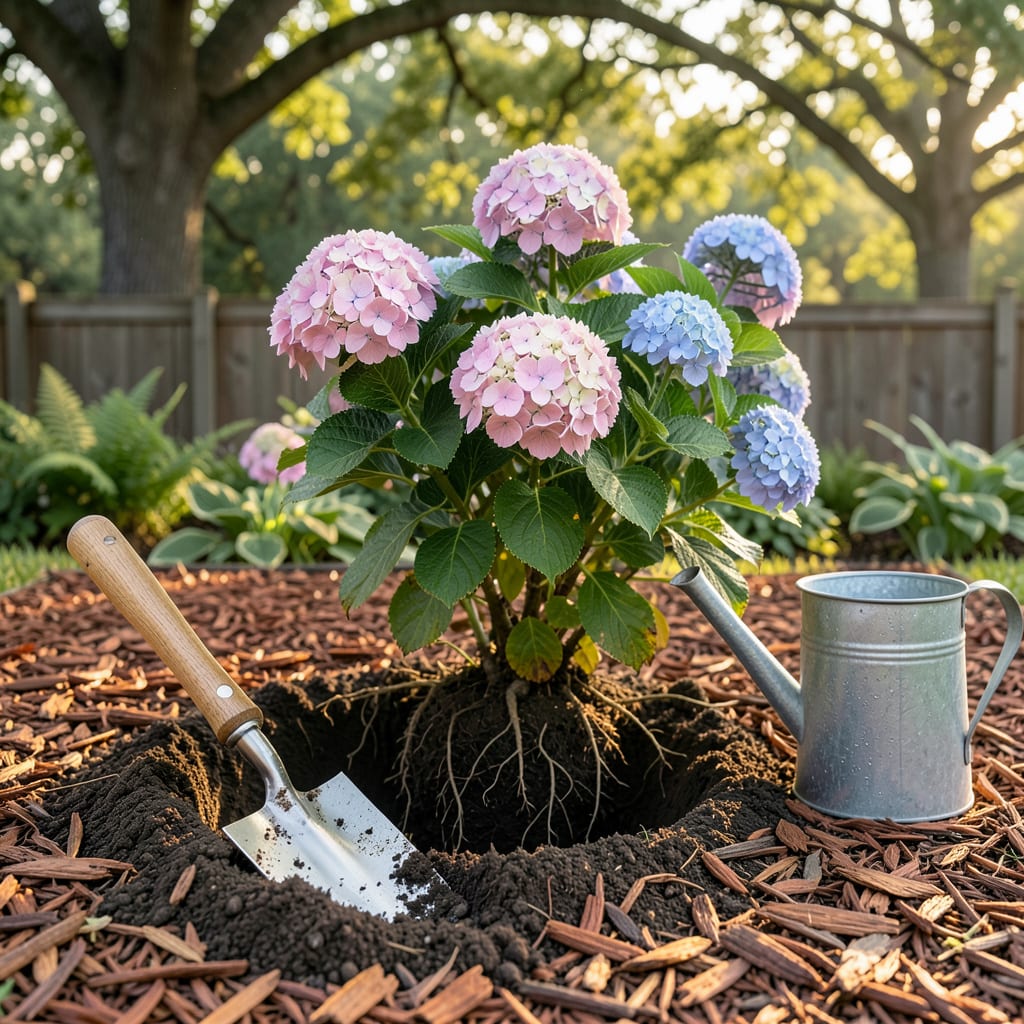
That moment you bring home a vibrant 🌸 Hydrangea—only to watch it struggle because the timing was off. I’ve been there, and in Virginia’s unpredictable climate, planting at the wrong time can mean the difference between lush blooms and a sad, wilting shrub.
After testing both seasons in my own garden, I’ll show you exactly when to get those roots in the ground for stronger growth and show-stopping flowers. Whether you’re in the mountains or the coast, these zone-specific tips will save you time, money, and heartache.
If you’ve ever admired those lush hydrangea blooms in Virginia gardens, timing your planting is the secret. Virginia’s USDA Zones 6-8 offer two prime windows: fall (September-October) and early spring (March-April). But which one’s better? Let me break it down for you.
Fall planting gives hydrangeas a head start on root development before winter dormancy. The cooler temps and consistent rainfall reduce stress, helping plants establish stronger roots. Spring planting works too, but you’ll need to stay on top of watering as summer heat arrives.
| Season | Best Months | Pros | Cons |
|---|---|---|---|
| Fall | September-October | Stronger roots, less watering, fewer pests | Risk of early frost in Zone 6 |
| Spring | March-April | Warmer soil speeds growth | More watering, heat stress risk |
*For Zone 6 (mountains), plant by mid-October. In Zone 8 (coastal), extend to early November.
In Zone 6 (like the Blue Ridge Mountains), I recommend planting by mid-October to avoid early frosts. The cooler nights help roots grow without the stress of summer heat. Just add a 2-3 inch mulch layer to insulate roots over winter.
For Zone 7-8 (including Richmond and Virginia Beach), you’ve got more flexibility. Fall planting can stretch into early November, while spring planting can start in late February if the ground isn’t frozen. The key? Well-draining soil—Virginia’s clay can suffocate roots.
If you’re planting in spring, wait until after the last frost date (around April 15 for most of Virginia). The soil should be workable, not soggy. I like to mix in compost or pine bark to improve drainage and acidity, which hydrangeas love.
Here’s a quick soil prep tip: Test your soil’s pH. Hydrangeas thrive in slightly acidic soil (pH 5.2-6.2). If your soil is alkaline (common in parts of Virginia), amend it with sulfur or peat moss before planting. This ensures those iconic blue or pink blooms.
Don’t forget about watering—new hydrangeas need consistent moisture. In fall, nature often handles this with rain, but in spring, you’ll need to water 2-3 times per week until established. A drip irrigation system can be a game-changer for busy gardeners.
For container-grown hydrangeas, the rules are similar, but you can plant slightly later in fall or earlier in spring since roots are already established. Just ensure the root ball is moist before planting and water deeply after.
Finally, if you’re torn between seasons, I’d lean toward fall planting for most Virginia gardeners. The cooler temps and natural rainfall reduce transplant shock, and you’ll often see more robust blooms the following summer. Just mark your calendar for September 15–October 15 as your sweet spot! 🌸
Virginia’s diverse landscape means one-size-fits-all advice won’t cut it for hydrangeas. From the humid Coastal Plain to the cooler Blue Ridge Mountains, your planting window shifts dramatically. Let’s break down the best timing for each region.
In the Coastal Plain (Zone 8), you’ve got the longest growing season. Here, fall planting can extend into November, while spring planting can start as early as late February. The mild winters mean less frost risk, but watch for sandy soil that drains too quickly.
| Region | USDA Zone | Fall Planting | Spring Planting |
|---|---|---|---|
| Coastal Plain | 8a | Sept–Nov | Feb–April |
| Piedmont | 7a-7b | Sept–Oct | March–April |
| Mountains | 6a-6b | Aug–Sept | April–May |
*Adjust for microclimates—urban areas may be warmer!
The Piedmont region (Zone 7) is where most Virginians garden, and here, September–October is ideal for fall planting. The clay-heavy soil can be tricky, so I always amend with compost or pine fines to improve drainage. Spring planting works too, but avoid late May—summer heat arrives fast!
Up in the Mountains (Zone 6), the growing season is shorter. Plant hydrangeas by mid-September in fall or wait until late April in spring. The cooler temps mean slower growth, so give plants extra mulch in winter. I’ve found ‘Endless Summer’ varieties thrive here—they’re cold-hardy and rebloom well.
No matter your region, soil prep is key. Test your pH—Virginia’s soil varies from acidic (mountains) to neutral (coastal). For blue hydrangeas, aim for pH 5.2–5.5; for pink, 6.0–6.2. Amend with sulfur (to lower pH) or lime (to raise it) as needed.
After planting, water deeply 2–3 times weekly for the first month. In the Coastal Plain, watch for salt spray if you’re near the ocean—rinse leaves occasionally. In the Piedmont, mulch heavily to combat clay’s moisture swings. Mountain gardeners should protect young plants from late frosts with burlap wraps.
For all regions, morning sun and afternoon shade are ideal. In Zone 8, hydrangeas can handle more sun, but dappled shade prevents scorching. Use this regional guide to time your planting perfectly—and enjoy those gorgeous Virginia blooms! 🌸
Even with perfect timing, small mistakes can sabotage your hydrangeas. After years of trial and error in my Virginia garden, I’ve pinpointed the three biggest pitfalls—and how to sidestep them. Let’s save your blooms before they’re doomed!
First up: ignoring soil pH. Virginia’s soil runs the gamut from acidic mountain loam to neutral coastal sand. Plant hydrangeas in alkaline soil (pH above 7), and you’ll get weak growth and pale blooms. Always test your soil first!
*Fix these, and you’ll see bigger blooms and healthier shrubs!
The second mistake? Skipping winter mulch. Virginia’s temperature swings—from 20°F nights to 60°F days—can heave roots out of the ground. I lost two hydrangeas before learning this lesson! Apply 2–3 inches of shredded bark after planting, extending it 12 inches beyond the root ball.
Third, watering mismanagement kills more hydrangeas than pests ever will. In Virginia’s humid summers, it’s easy to assume rain is enough—but clay soil (common in the Piedmont) can create drought pockets. Use the finger test: Stick your finger 2 inches deep. If it’s dry, water deeply.
Here’s a pro tip: Morning watering is non-negotiable. Evening watering in Virginia’s humidity invites fungal diseases like powdery mildew. I set my drip irrigation to run at 6 AM—it’s saved my hydrangeas during droughts. For container plants, check moisture daily in summer; they dry out faster!
Finally, don’t forget post-planting care. After planting, I mix 1 tablespoon of Epsom salt in a gallon of water and drench the roots. This magnesium boost helps prevent yellow leaves—a common issue in Virginia’s soils. Follow these fixes, and you’ll avoid the heartbreak of stunted hydrangeas! 🌸
Fall is generally ideal, especially in Zones 6-7, as cooler temps and natural rainfall help roots establish. Spring works too, but requires more frequent watering to combat summer heat. Aim for September-October or March-April for best results.
In the mountains (Zone 6), plant by mid-September to avoid early frosts. Coastal areas (Zone 8) can extend fall planting into early November or start spring planting in late February. Always check local frost dates.
Skipping soil prep! Virginia’s clay-heavy soil can suffocate roots. Test pH and amend with compost or pine bark for drainage. Hydrangeas thrive in slightly acidic soil (pH 5.2-6.2). Ignoring this leads to weak growth and pale blooms.
It’s risky in Virginia’s heat. If you must, choose early morning to plant, water deeply daily for 2 weeks, and provide afternoon shade. Container-grown plants handle summer better than bare-root. Avoid midday planting!
Apply 2-3 inches of mulch (shredded bark works well) after planting, extending 12 inches beyond the root ball. In Zone 6, wrap young shrubs in burlap if late frosts threaten. Keep soil moist but not soggy.
