
Beautiful Plants For Your Interior
Beautiful Plants For Your Interior
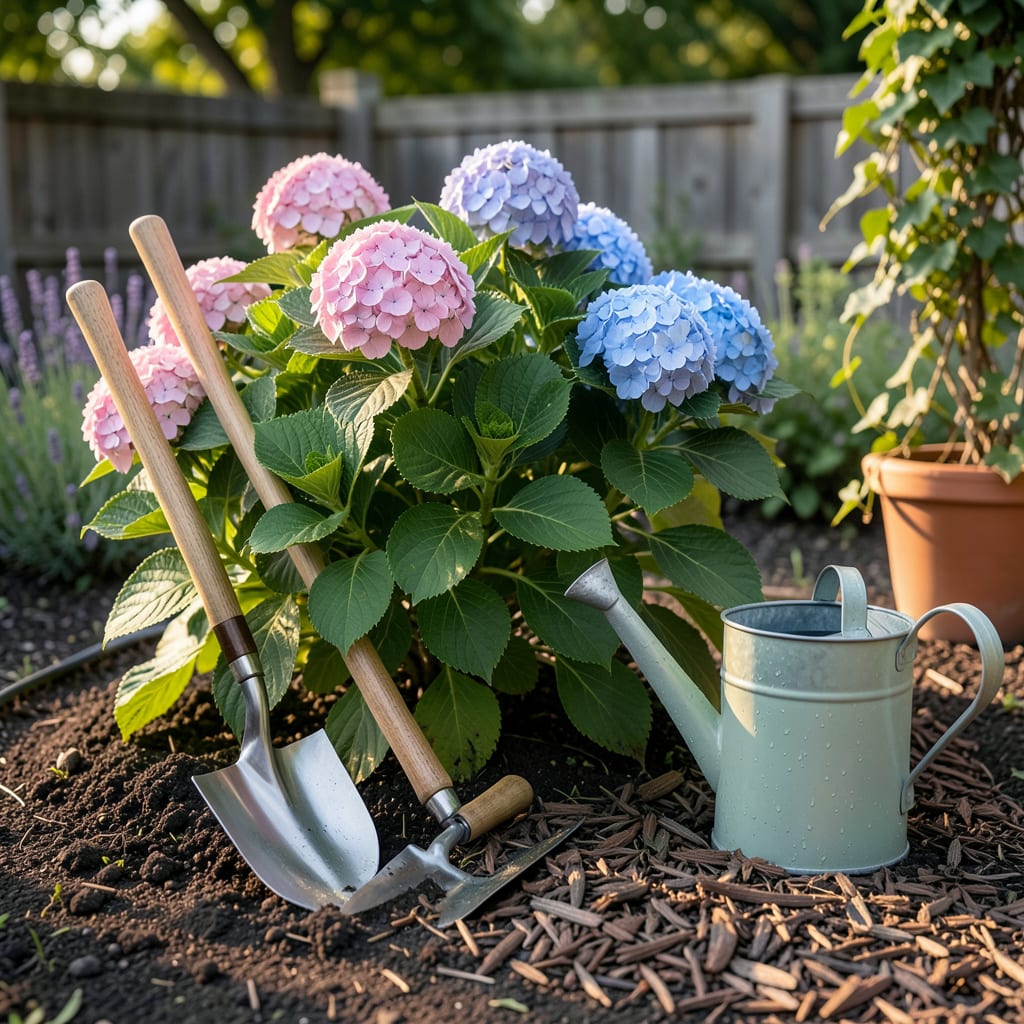
Texas gardeners know the struggle: those stunning 💮 hydrangeas you envy in magazines often wilt under our relentless sun. But here’s the game-changer—timing your planting right can mean the difference between sad sticks and showstopping blooms.
I’ve cracked the code for Texas’s diverse zones, from Panhandle freezes to Gulf Coast humidity. Whether you’re in Dallas or San Antonio, I’ll show you the perfect windows to plant—plus the varieties that thrive where you live. Let’s get those hydrangeas flourishing!
If you’ve ever watched hydrangeas struggle in the Texas heat, you know timing is everything. Plant too late in spring, and your shrubs may wilt before establishing roots. Plant too early in fall, and a surprise frost could damage tender growth. The key? Matching your planting window to Texas’s diverse climate zones.
Texas spans USDA zones 6a–10a, meaning what works in Dallas (Zone 8a) won’t fly in El Paso (Zone 8b) or Houston (Zone 9a). I’ll break down the optimal months for each region—plus why fall planting often beats spring in most of the state.
| Region | USDA Zones | Best Planting Months | Key Considerations |
|---|---|---|---|
| North Texas (Dallas, Fort Worth) |
7b–8a | Sept–Oct or March–April | Avoid July–Aug heat. Mulch heavily for winter. |
| Central Texas (Austin, San Antonio) |
8a–8b | Oct–Nov or Feb–March | Afternoon shade critical. Amend clay soil. |
| East Texas (Houston, Beaumont) |
8b–9a | Oct–Dec or Jan–Feb | High humidity = fungal risk. Space plants for airflow. |
| West Texas (El Paso, Lubbock) |
7a–8b | Sept–Oct or April | Drought-tolerant varieties only. Use shade cloth. |
| South Texas (Corpus Christi, Brownsville) |
9b–10a | Nov–Jan | Heat is year-round. Oakleaf hydrangeas thrive here. |
In North Texas (Zones 7b–8a), I recommend September–October as the golden window. The soil stays warm enough for root growth, but cooler air temps reduce transplant shock. If you miss fall, aim for early March—before the 90°F+ scorch hits by May.
Central Texas gardeners (Zones 8a–8b) have more flexibility, but October–November is ideal. The limestone-heavy clay soil here drains poorly, so amending with pine bark fines or compost is non-negotiable. Spring plantings? February–early March beats the heat.
Down in East Texas (Zones 8b–9a), humidity and Gulf Coast rains create a different challenge. Plant October–December to avoid waterlogged roots in spring. If you’re set on spring, January–February works—but watch for late frosts in Zone 8b.
West Texas (Zones 7a–8b) is all about drought survival. Stick to September–October or April, and choose varieties like Hydrangea quercifolia (Oakleaf) or H. paniculata ‘Limelight’. Shade cloth is your best friend in summer.
For South Texas (Zones 9b–10a), where winters are mild, November–January planting lets roots establish before the brutal summer. Avoid spring entirely—new plants can’t handle 100°F+ temps without established roots. Oakleaf hydrangeas are your best bet here.
No matter your region, soil prep is critical. Test your pH level—hydrangeas prefer 5.2–6.2 for blue flowers, 6.5+ for pink. In
Planting hydrangeas in Texas isn’t just about timing—it’s about preparing the soil to combat our notorious clay-heavy ground and extreme temps. Whether you’re in the Blackland Prairie or the Piney Woods, these steps will set your shrubs up for success.
First, test your soil’s pH—this determines your hydrangea’s flower color! In Texas, our native soil often leans alkaline (pH 7.5+), which can turn blooms pink. For blue flowers, you’ll need to amend with sulfur or peat moss to lower the pH to 5.2–5.5.
In Central and North Texas, where clay soil dominates, I swear by mixing in expanded shale (10–20%) to improve drainage. This mimics the loamy texture hydrangeas crave. For sandy West Texas soils, blend in coco coir to retain moisture without compacting.
Watering is critical the first year. In summer, hydrangeas need 1–2 inches per week—more if temps hit 95°F+. Use a moisture meter to check depth; surface dryness doesn’t mean the roots are thirsty. Morning watering reduces evaporation and fungal issues.
For container-grown hydrangeas, choose a pot 12+ inches wide with drainage holes. Use a mix of 60% potting soil and 40% perlite. In South Texas, move pots to dappled shade by June to prevent scorching. Remember: potted hydrangeas dry out faster than in-ground plants!
After planting, monitor for leaf wilting (underwatering) or yellowing (overwatering). In East Texas, watch for powdery mildew—space plants 4–6 feet apart for airflow. For West Texas gardeners, a drip irrigation system saves water while keeping roots happy.☀️
Even with perfect timing, Texas gardeners can still sabotage their hydrangeas with common mistakes. I’ve seen wilted shrubs and colorless blooms too often—usually from these three avoidable errors. Let’s fix them before you dig that first hole.
The biggest offender? Planting too late in spring. By May in Texas, soil temps can hit 80°F+, stressing roots before they establish. Another killer: ignoring soil pH, which locks in flower color (and nutrient uptake). Finally, watering missteps—too much or too little—doom more hydrangeas than drought itself.
That spring planting urge is real, but resist it! I’ve lost count of how many gardeners plant hydrangeas in June, only to watch them crisp up by July. If you miss the fall window, early spring (February–March) is your backup—but shade cloth becomes mandatory for summer survival.
Here’s a soil pH hack: Mix 1 cup of vinegar into a gallon of water and drench the roots at planting for a quick acid boost. For alkaline-heavy areas (like West Texas), repeat every 6 weeks until blooms shift color. In East Texas, where soil is naturally acidic, avoid over-amending—test first!
Watering wars rage in Texas gardens. In clay soil (most of North/Central Texas), 1 deep soak weekly beats daily sprinkles. For sandy soil (West/South Texas), short, frequent drinks prevent root drought. Always water at dawn to cut evaporation and fungal risks. Pro tip: Drip irrigation saves 30% more water than sprinklers!💧
For most of Texas, fall (September–November) is ideal. Cooler temps and warm soil help roots establish before summer heat. Spring planting works but requires extra watering for 12+ weeks. In South Texas (Zones 9b–10a), fall is mandatory—spring heat is too intense.
Mulch heavily (3–4 inches of shredded bark) to retain moisture. Water deeply 2x/week in 90°F+ temps, using a soaker hose to avoid wetting leaves. For new plants, use 30% shade cloth the first summer. Drought-tolerant varieties like Oakleaf handle heat best.
Texas soil is often alkaline (pH 7.5+), producing pink blooms. For blue flowers, lower pH to 5.2–5.5 with sulfur or peat moss. Test soil first—East Texas may already be acidic. Amend at planting and recheck pH annually.
In North/Central Texas, try ‘Endless Summer’ (mophead). East Texas gardeners love ‘Alice’ (oakleaf). For West Texas drought, ‘Limelight’ (panicle) thrives. South Texas? Stick to native oakleaf hydrangeas—they handle heat and humidity like champs.
Water every 2–3 days for the first month, then taper to weekly. In clay soil (North/Central TX), 1 deep soak beats frequent sprinkles. Sandy soil (West/South TX) needs shorter, more frequent drinks. Always water at dawn to reduce evaporation.
