
Beautiful Plants For Your Interior
Beautiful Plants For Your Interior
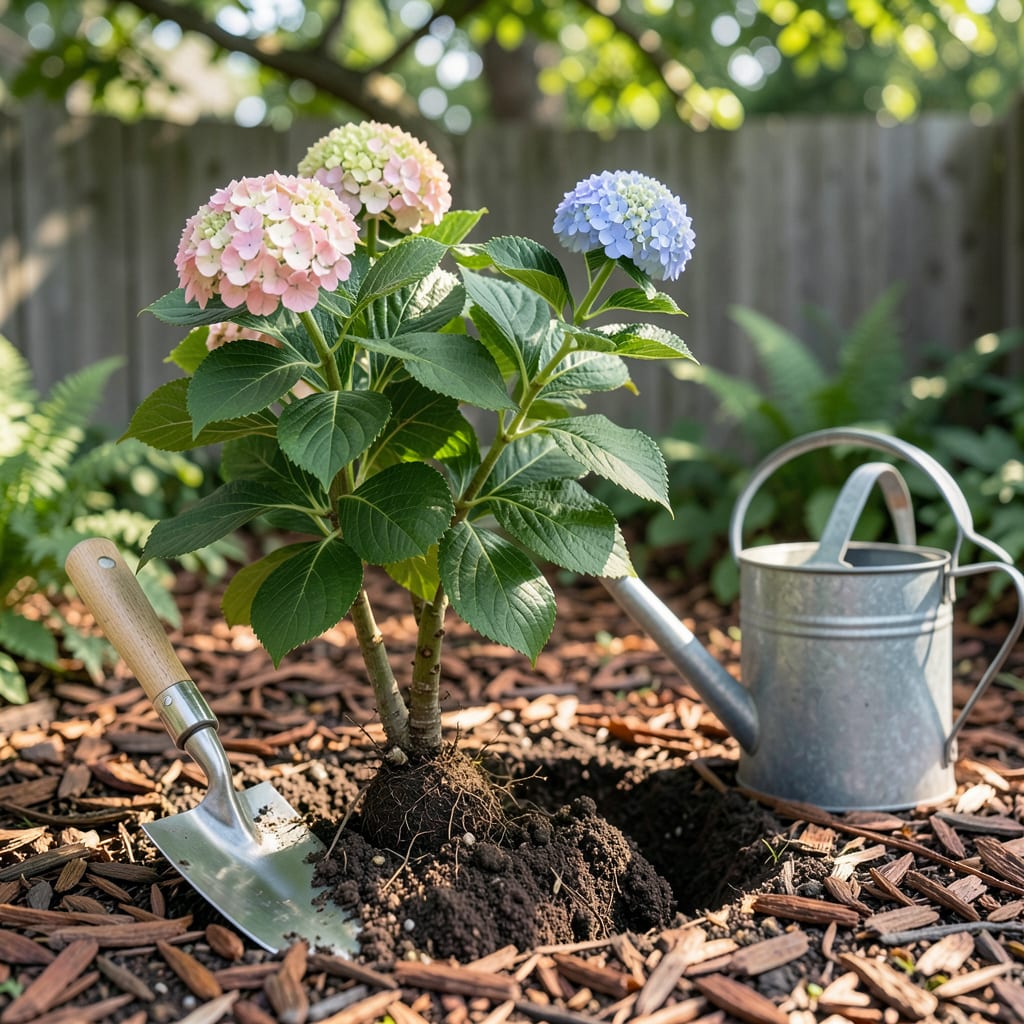
If you’ve ever admired those stunning 🌸 hydrangea blooms in Tennessee gardens and wondered why yours never quite measure up, timing might be your missing piece. Plant them at the wrong moment, and you could be setting yourself up for a season of disappointment.
After years of testing what works in our Zone 7a climate, I’ve pinpointed the best windows to get these beauties established. Let me show you exactly when to dig in—and how to give your hydrangeas the strongest start possible in Tennessee’s unpredictable springs.
Getting your hydrangeas off to a strong start in Tennessee means working with our state’s diverse microclimates. From the cooler East Tennessee mountains to the humid West Tennessee river valleys, planting windows can vary by 2-3 weeks.
I’ve found that spring planting (March-April) works best for most areas, but fall planting (September-October) can also succeed if you time it right. The key is avoiding extreme heat or frost while giving roots time to establish before winter.
In East Tennessee, those higher elevations mean you’ll want to wait until soil warms in late March. I’ve seen many gardeners lose plants by jumping the gun during those tempting early spring warm spells.
For Middle Tennessee (Nashville area), our last frost date around April 15 makes early April the sweet spot. The clay soil here holds moisture well, which hydrangeas love, but you’ll need to amend it for better drainage.
West Tennessee gardeners can start earlier thanks to milder winters. Late February plantings often establish well before summer heat arrives. Just watch for late freezes—keep burlap or frost cloth handy!
Fall planting works well statewide if done 6+ weeks before first frost. This gives roots time to grow without the stress of summer heat. I prefer September plantings for most varieties, especially Oakleaf hydrangeas which are native to our region.
No matter your location, always check soil moisture before planting. Tennessee’s spring rains can create soggy conditions—wait until the ground is workable but not waterlogged. A simple squeeze test works: if soil crumbles when squeezed, it’s ready.
Remember that microclimates matter too. South-facing slopes warm faster, while north-facing areas stay cooler. Observe your specific site conditions—what works for your neighbor might need adjustment for your yard.
For all regions, afternoon shade is crucial during our hot summers. Morning sun with protection from intense afternoon rays will keep your hydrangeas blooming beautifully year after year.
🌸Planting hydrangeas in Tennessee’s clay-rich soil requires some preparation, but the results are worth it. Our humid subtropical climate creates perfect conditions for these blooming shrubs—if you give them the right start.
I always begin by testing my soil’s pH level, since hydrangeas thrive in slightly acidic soil (pH 5.2-6.2). This is especially important in Tennessee where soil varies from neutral to alkaline across regions.
For Middle Tennessee gardeners, our heavy clay can be particularly challenging. I recommend mixing in perlite or coarse sand to improve drainage while maintaining moisture retention that hydrangeas love.
When selecting your planting location, remember that afternoon shade is crucial in Tennessee. Our summer heat can scorch hydrangea leaves, especially for varieties like Bigleaf hydrangeas that prefer partial shade.
After planting, maintain consistent moisture for the first year. Tennessee’s summers can be unpredictable—sometimes dry, sometimes overly wet. A soaker hose on a timer helps maintain even moisture without wetting the foliage.
For fall plantings, be extra diligent about watering as we often have dry autumns. Mulch heavily to protect roots from temperature fluctuations. I’ve found that shredded oak leaves work particularly well as they also help acidify the soil over time.
🌿Remember that first-year plants need extra attention. Don’t be alarmed if blooms are sparse the first season—your hydrangea is focusing energy on establishing roots. By year two, you’ll be rewarded with those gorgeous Tennessee hydrangea displays we all love.
Even experienced Tennessee gardeners can make mistakes with hydrangeas. Our humid summers and clay soil create unique challenges that can turn beautiful blooms into disappointing displays if you’re not careful.
After helping dozens of neighbors troubleshoot their hydrangeas, I’ve identified three critical errors that consistently cause problems. The good news? They’re all easily preventable with a little know-how and planning.
The soil pH mistake is particularly common in Middle Tennessee where our soil tends to be more alkaline. I’ve seen gardeners frustrated when their carefully selected blue hydrangeas turn pink after planting. A simple soil test from your local extension office can save you this disappointment.
For the sun exposure issue, remember that our summer sun is intense. What might be perfect morning sun in spring can become too much by July. Consider using shade cloth during peak summer months if your planting location gets more than 6 hours of direct sun.
The watering mistake often happens when well-meaning gardeners follow generic advice. In Tennessee, our humid conditions mean hydrangeas often need less supplemental water than you might expect. Always check soil moisture before watering—stick your finger 2 inches deep. If it’s moist, wait another day.
✂️Another bonus tip: avoid planting hydrangeas too close to large trees that will compete for water. Our native oaks and maples have extensive root systems that can outcompete your new hydrangea plantings, especially during dry spells.
Both seasons work, but spring planting (March-April) is generally safer. Fall planting (September-October) can succeed if done 6+ weeks before first frost. The advantage? Cooler temps reduce transplant shock, but roots need time to establish before winter.
Amend clay soil with compost and pine bark fines 2-3 weeks before planting. For Middle Tennessee’s heavy clay, add perlite or coarse sand to improve drainage while retaining moisture. Aim for a slightly acidic pH (5.2-6.2) for best results.
Oakleaf hydrangeas (native to the Southeast) thrive in partial shade and tolerate humidity. Panicle hydrangeas handle more sun and heat. Avoid planting Bigleaf varieties in full sun—they’ll scorch in Tennessee summers.
Water deeply 2-3 times weekly for the first month, then reduce to weekly unless we’re in drought. Tennessee’s summer rains often provide enough moisture—check soil before watering. Use soaker hoses to avoid wetting foliage and prevent fungal issues.
Our naturally alkaline soil causes this color shift. To maintain blue blooms, amend soil with sulfur or use acidifying fertilizers. For pink blooms, add lime. Test soil pH annually—it can change over time.
