
Beautiful Plants For Your Interior
Beautiful Plants For Your Interior
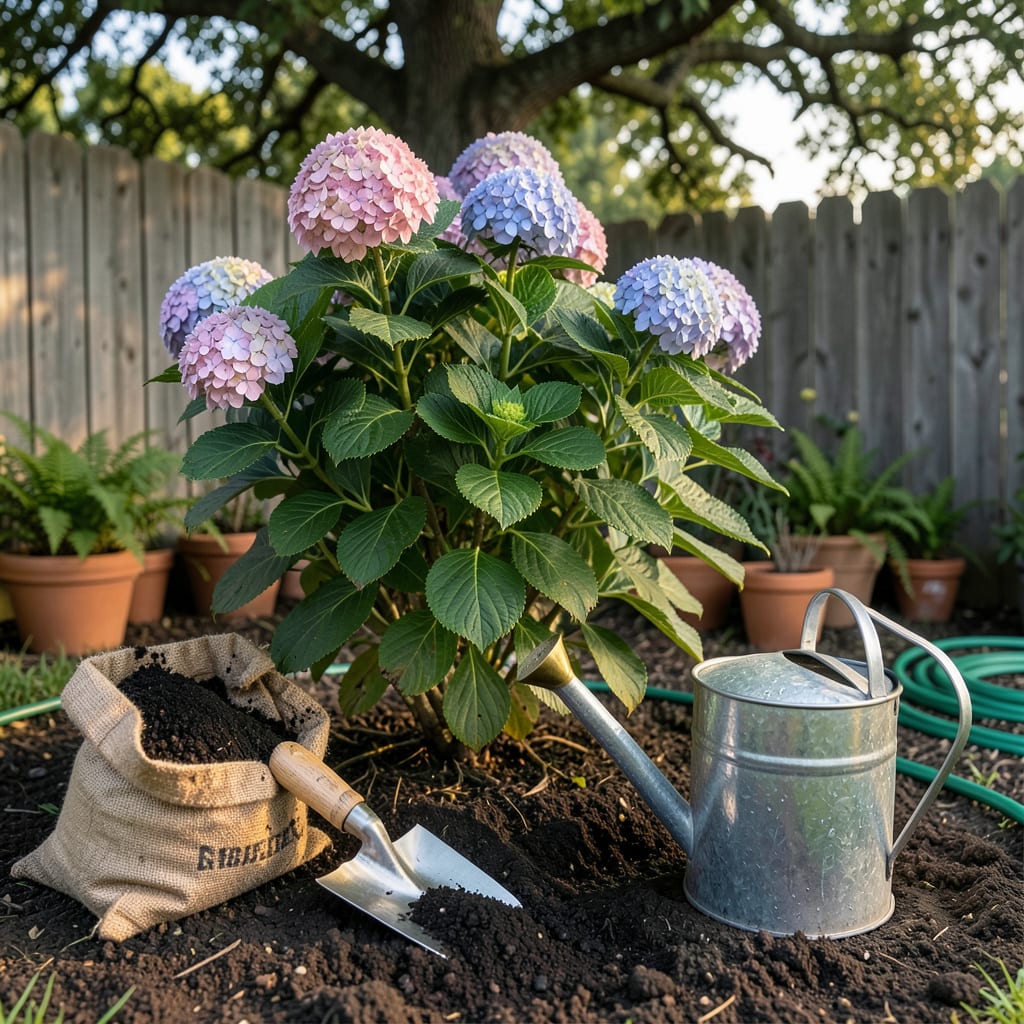
Timing can make or break your 🌸 Hydrangea success in South Carolina—plant too late, and weak roots struggle through winter; plant too early, and summer heat might fry your shrubs before they establish. I’ve seen both scenarios play out in gardens across the state.
After testing different approaches in my own Zone 8a yard, I’ve nailed down the perfect windows for lush blooms. Whether you’re in the Upstate or Lowcountry, I’ll show you exactly when to get those roots in the ground for vibrant, stress-free hydrangeas.
If you’re dreaming of vibrant hydrangea blooms in your South Carolina garden, timing your planting is everything. Our state’s diverse climate zones—from the coastal Lowcountry to the Upstate mountains—mean there’s no one-size-fits-all answer. But here’s the golden rule: late fall is your best bet for most regions.
In South Carolina, October through November gives hydrangeas time to establish roots before winter dormancy. This head start means stronger plants that burst into color come spring. However, if you miss the fall window, early spring (February to March) works too—just be ready to babysit your plants through summer heat.
| Region | USDA Zone | Best Planting Window | Notes |
|---|---|---|---|
| Coastal/Lowcountry | 8a-9a | Oct–Nov or Feb | Avoid summer’s salt spray and humidity. ‘Endless Summer’ thrives here. |
| Piedmont | 7b-8a | Late Oct–Nov or Mar | Clay soil? Amend with compost and pine bark for drainage. |
| Upstate/Mountains | 7a-7b | Sep–Oct or Apr | Earlier frost dates mean plant 6 weeks before first frost. |
Why does fall planting work so well in SC? Cooler temperatures reduce transplant shock, while warm soil encourages root growth. I’ve seen hydrangeas planted in November outperform spring-planted ones by their second year. Just ensure you mulch heavily (3–4 inches of pine straw or shredded bark) to protect roots from winter temperature swings.
If you’re planting in spring, aim for February to early March—before the summer heat hits. Hydrangeas planted after April often struggle with drought stress. In the Piedmont, where clay soil bakes hard, I recommend soaking the root ball thoroughly before planting and watering daily for the first two weeks.
For coastal gardeners, salt tolerance matters. Varieties like ‘Oakleaf hydrangea’ (Hydrangea quercifolia) handle salt spray better than bigleaf hydrangeas (H. macrophylla). If you’re near the coast, plant on the leeward side of your home or use a windbreak to reduce salt exposure.
No matter your region, avoid planting during peak summer (June–August). The combination of heat and humidity stresses hydrangeas, leading to wilted leaves and stunted growth. If you must plant in summer, choose a cloudy day, water deeply, and provide temporary shade with a burlap screen.
Want to tweak bloom colors? In acidic soil (pH 5.2–5.5), hydrangeas turn blue; in alkaline soil (pH 6.0–6.5), they’re pink. Coastal soils tend to be acidic, while Piedmont clay leans alkaline. Test your soil with a pH kit (available at local extensions) and amend with sulfur (for blue) or lime (for pink) as needed.
Still unsure? Contact your local Clemson Extension office for a soil test and hyper-local advice. They’ll even recommend hydrangea varieties tailored to your county’s microclimate—like ‘Limelight’ for sun tolerance or ‘Annabelle’ for shade gardens.
Remember, hydrangeas are long-term investments. A well-timed planting now means decades of lush blooms with minimal fuss. Whether you’re in Charleston’s sandy soil or Greenville’s clay, the key is working with SC’s climate—not against it. 🌿
Now that you know when to plant hydrangeas in SC, let’s tackle the how. I’ve planted dozens of these beauties across the state, and the secret to success lies in the prep work. Whether you’re dealing with Piedmont clay or coastal sand, these steps will set you up for success.
Start by selecting a healthy nursery plant. Look for hydrangeas with bright green leaves and plump buds—avoid those with yellowing foliage or wilted stems. In SC, I recommend container-grown plants over bare-root; they establish faster in our warm climate. Varieties like ‘Endless Summer’ or ‘Limelight’ are top performers here.
After planting, monitor soil moisture daily for the first week. Stick your finger 2 inches deep—if it’s dry, water slowly until the soil feels moist but not soggy. In coastal areas, watch for salt buildup; flush the soil monthly with extra water to leach out excess salts.
For Piedmont gardeners, our clay soil can suffocate roots if compacted. After planting, top-dress with 1 inch of compost and avoid walking near the base. I’ve found that adding perlite (about 1 cup per plant) to the backfill mix improves drainage dramatically.
If you’re planting multiple hydrangeas, space them 4–6 feet apart to allow airflow and prevent fungal diseases like powdery mildew. In shady spots, you can plant slightly closer (3–4 feet), but never crowd them—SC’s humidity makes tight spaces a breeding ground for pests.
Finally, resist the urge to fertilize immediately. Wait 4–6 weeks after planting to let roots establish. When you do fertilize, use a slow-release, acid-loving formula (like 10-10-10) and follow the label rates. Over-fertilizing in SC’s heat can burn roots, especially in sandy coastal soils.
By following these steps, you’ll give your hydrangeas the strongest start possible in SC’s challenging climate. Remember, the first year is about root growth—don’t expect a flood of blooms immediately. With patience and proper care, you’ll be rewarded with stunning, vibrant blooms for years to come. 🌸
Even with perfect timing, small errors can sabotage your hydrangeas in South Carolina’s tricky climate. I’ve seen gardeners in Charleston and Columbia make the same avoidable mistakes—don’t let it happen to you. Here are the top three pitfalls and how to sidestep them.
First up: planting too deep. Hydrangeas suffer when their root flare (where roots meet the stem) gets buried. In our clay-heavy Piedmont soil or sandy coastal grounds, this mistake leads to rot. Always plant so the flare sits 1–2 inches above soil level—trust me, it’s a game-changer. 🌱
The second mistake? Underestimating drainage. In the Piedmont, our clay soil holds water like a sponge, drowning roots. Coastal areas aren’t off the hook—sandy soil drains too fast, leaving roots parched. The fix? For clay, mix in 50% compost and 20% perlite. For sand, add peat moss to retain moisture.
Finally, many SC gardeners misjudge sun exposure. Hydrangeas need morning sun and afternoon shade—especially in Zones 8–9a. I’ve rescued countless wilted plants by moving them to east-facing beds or under dappled shade of pines. In the Upstate, you can push the sun envelope slightly, but never plant in full afternoon sun. ☀️
Bonus mistake to avoid: skipping the watering routine. New hydrangeas need 1–2 gallons of water 2–3 times weekly for the first month. In coastal SC, salt buildup can dehydrate plants—flush the soil monthly with extra water. Use a soaker hose to keep foliage dry and prevent fungal diseases like powdery mildew.
Remember, hydrangeas are forgiving—but only if you avoid these common SC-specific blunders. Take it from someone who’s learned the hard way: a little extra care at planting time saves years of disappointment. Your future self (and your blooming hydrangeas) will thank you! 🌸
October through November is ideal because cooler temps reduce stress while warm soil encourages root growth. Spring planting works but requires extra watering to combat SC’s summer heat.
Coastal gardeners should add peat moss to sandy soil for moisture retention. In the Piedmont, mix 50% compost and 20% perlite into clay to improve drainage. Always test pH first!
Avoid summer planting if possible, but if necessary, choose a cloudy day, water deeply, and use temporary shade. Trim back 1/3 of foliage to reduce water loss.
Space hydrangeas 4–6 feet apart for proper airflow. In shady spots, you can plant slightly closer (3–4 feet), but avoid crowding to prevent fungal issues.
Expect limited blooms the first year as plants focus on root growth. Full, vibrant blooms typically appear in the second or third year with proper care. Patience pays off!
