
Beautiful Plants For Your Interior
Beautiful Plants For Your Interior
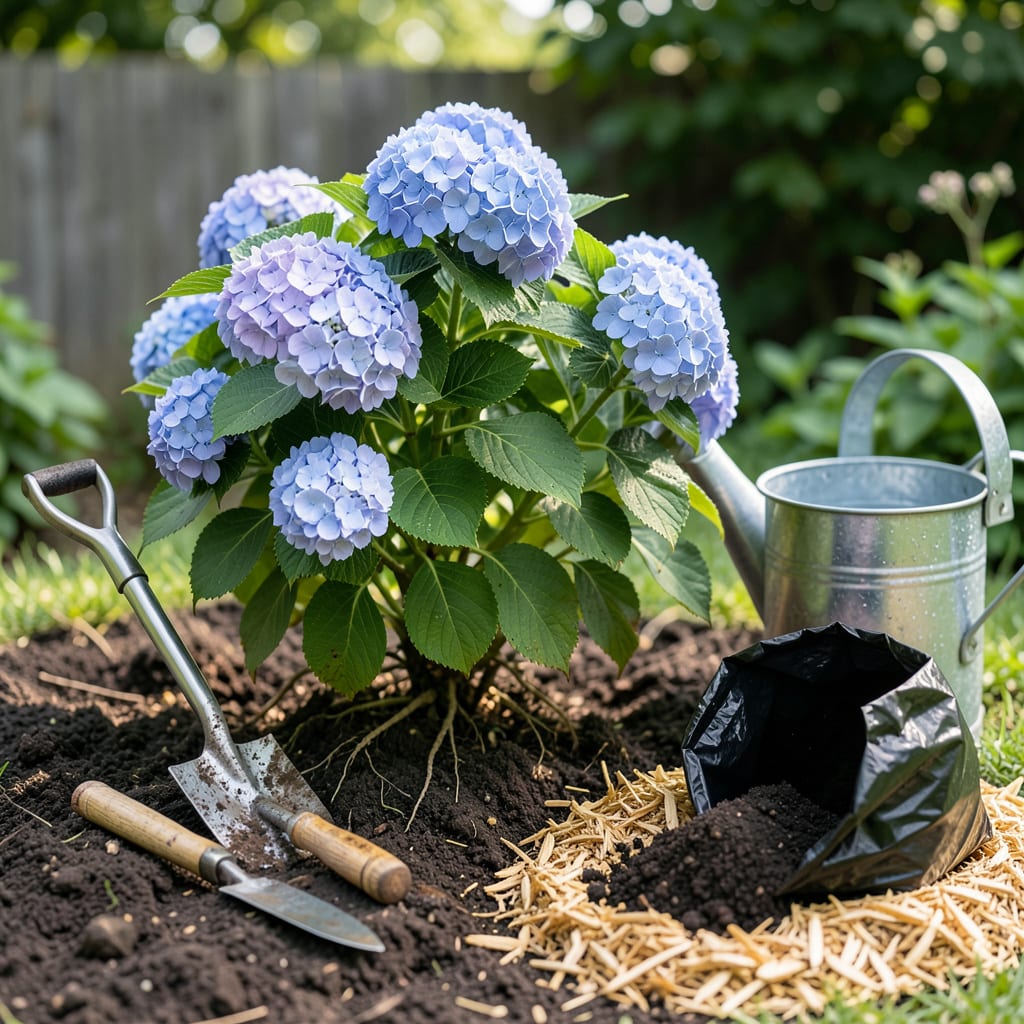
New York’s unpredictable springs and early frosts can turn hydrangea planting into a gamble—unless you know the exact window for your zone. I’ve seen too many gardeners lose their 💮 to late cold snaps or summer heat stress simply because they planted at the wrong time.
Whether you’re in Buffalo’s Zone 5 or Long Island’s Zone 7, timing and preparation make all the difference. Let’s cut through the guesswork so you can plant with confidence—and enjoy those lush summer blooms without the heartache.
If you’ve ever admired those lush hydrangea blooms in your neighbor’s yard and wondered why yours never quite measure up, the secret often lies in when you plant them. New York’s climate varies dramatically—from the cooler Upstate zones to the milder Long Island coast—so timing isn’t one-size-fits-all.
In USDA Zones 5-7, which cover most of NY, your planting window hinges on soil temperature and frost dates. Plant too early, and a late frost could stunt your shrubs. Plant too late, and they’ll struggle to establish roots before winter. Let’s break it down by zone so you can plan with confidence.
| Zone | Region | Best Planting Months | Last Frost Date | Notes |
|---|---|---|---|---|
| 5 | Upstate (Syracuse, Buffalo) | May–early June | May 15 | Wait until soil reaches 50°F to avoid frost damage. |
| 6 | Hudson Valley, Albany | Mid-April–May | April 30 | Ideal for bigleaf hydrangeas (H. macrophylla). |
| 7 | Long Island, NYC | March–April | April 15 | Earlier planting possible; watch for late coastal frosts. |
Source: Adapted from Cornell Cooperative Extension guidelines for NY gardeners.
For Zone 5 areas like Buffalo or the Adirondacks, I always recommend erring on the side of caution. A late-May planting ensures soil temps are consistently warm, giving roots a fighting chance before winter. If you’re in Zone 7 (think Long Island), you can start as early as late March, but keep frost cloth handy!
Soil prep is just as critical as timing. In NY, our heavy clay soils can suffocate hydrangea roots, so amending with compost or pine bark is non-negotiable. Aim for a pH of 5.5–6.5—this is especially important if you’re dreaming of those coveted blue blooms on H. macrophylla varieties.
If you’re planting fall-blooming hydrangeas like H. paniculata ‘Limelight’, a spring planting ensures they’ll have time to establish before their late-summer show. For reblooming varieties such as ‘Endless Summer’, either spring or early fall works, but I’ve found spring plantings often perform better in NY’s unpredictable falls.
Pro tip: Check your local frost dates using the National Gardening Association’s Frost Date Calculator. Even within the same zone, microclimates can shift dates by a week or two. For example, urban areas like NYC often run 5–10°F warmer than surrounding suburbs.
For container-grown hydrangeas, you’ve got more flexibility—just avoid planting during peak summer heat (July–August), when transplant shock is most likely. If you miss the spring window, early September is your next best bet, especially in Zones 6–7. Just mulch heavily to insulate roots before winter.
Remember, hydrangeas planted in fall (September–October) need extra TLC. Water deeply once a week until the ground freezes, and apply a 3-inch layer of mulch to protect shallow roots. In Zone 5, I’d avoid fall planting unless you’re prepared to wrap shrubs in burlap for winter protection.
Finally, if you’re torn between spring and fall, consider this: Spring-planted hydrangeas often bloom their first year, while fall-planted shrubs focus on root growth and may wait until year two to shine. Both approaches work in NY—it’s all about matching the timing to your zone, variety, and soil conditions.
Now that you’ve got the timing down, the next step is picking the perfect spot—because even the best-planted hydrangea will sulk in the wrong location. But that’s a topic for our next section! 🪴
If you’re debating whether to plant your hydrangeas in spring or fall, you’re not alone. In New York, both seasons have their merits—but the best choice depends on your zone, hydrangea variety, and even your soil type. Let’s weigh the pros and cons so you can decide with confidence.
Spring planting (April–May) is ideal for bigleaf hydrangeas (H. macrophylla) and reblooming varieties like ‘Endless Summer’. The warmer soil temps and longer days give roots a head start. But beware: late frosts can still threaten tender new growth, especially in Zone 5 areas like Buffalo or the Adirondacks.
NY Tip: In Zone 7 (Long Island), fall planting can work well if done by early October.
Fall planting (September–October) shines for panicle hydrangeas (H. paniculata) like ‘Limelight’ or ‘Little Lime’. Cooler temps reduce transplant shock, and roots continue growing until the ground freezes. However, in Zone 5, I’d avoid fall planting unless you’re prepared to mulch heavily and possibly wrap shrubs in burlap.
For container-grown hydrangeas, spring is almost always the safer bet. The exception? If you find a great deal on a potted hydrangea in late summer, you can plant it in fall—just give it extra water and mulch. In Zone 6 (Hudson Valley, Albany), I’ve had success with fall planting as long as it’s done by mid-September.
If you’re in Zone 7 (Long Island, NYC), you’ve got more flexibility. Fall planting can extend into early October, but watch the forecast for early frosts. A light freeze won’t kill your hydrangea, but it can stress the plant and delay next year’s blooms. Spring planting here can start as early as late March, but keep frost cloth handy!
No matter which season you choose, soil prep is key. Amend heavy clay with compost or pine bark, and test your soil’s pH. For blue blooms, aim for a pH of 5.0–5.5; for pink, 6.0–6.5. And always water deeply after planting—1–2 gallons per shrub—to settle the soil and eliminate air pockets.
Still unsure? Here’s my rule of thumb: If you’re in Zone 5, stick to spring. In Zones 6–7, either season works, but spring gives you a better shot at first-year blooms. And if you’re planting oakleaf hydrangeas (H. quercifolia), spring is your best bet—they’re slower to establish and benefit from a full growing season.
Whichever season you choose, mark your calendar for next year’s pruning. Most hydrangeas bloom on old wood, so timing your pruning wrong could mean no flowers! But that’s a topic for another day. 🌿
Even with perfect timing, your hydrangeas can still struggle if you fall into these common NY-specific traps. I’ve seen gardeners lose their bigleaf hydrangeas to winter dieback or watch their panicle varieties flop from poor soil prep. Let’s tackle the three biggest mistakes—and how to avoid them.
The first blunder? Ignoring your soil’s pH. In NY, our soils often skew alkaline, which can turn those dreamy blue hydrangeas a disappointing pink. Test your soil before planting—if the pH is above 6.5, amend with sulfur or peat moss to lower it for blue blooms.
NY Fix: Use shredded bark mulch (3″ deep) and plant near a windbreak (fence, wall, or evergreens).
Another critical error is misjudging sunlight. While hydrangeas love morning sun, NY’s intense afternoon heat (especially in Zone 7) can scorch leaves. Aim for 4–6 hours of sun—eastern exposure is ideal. In shadier spots, opt for oakleaf hydrangeas (H. quercifolia), which tolerate less light.
Finally, don’t underestimate NY’s winter winds. Unprotected hydrangeas in Zone 5 often suffer from desiccation or broken stems. After planting, wrap shrubs in burlap or use a wire cage filled with leaves for insulation. In Zone 6, a thick mulch layer usually suffices, but Zone 5 gardeners should also consider anti-desiccant sprays for evergreen varieties.
One more thing: if you’re planting near black walnut trees (common in Upstate NY), beware of juglone toxicity. Hydrangeas are sensitive to this compound, so keep them at least 50 feet away or use raised beds with fresh soil. I learned this the hard way after losing two ‘Annabelle’ shrubs!
By avoiding these mistakes, you’ll set your hydrangeas up for success—no matter which corner of NY you’re in. Next up: let’s talk about the best hydrangea varieties for your specific zone, from cold-hardy ‘Invincibelle Spirit’ to heat-tolerant ‘Fire Light’. 🌿
For Zone 5 areas like Buffalo or Syracuse, aim to plant by early June. This ensures roots establish before winter. If you miss this window, consider container-growing until spring or plant in early September with heavy mulching.
NYC (Zone 7) allows planting as early as late March, while the Adirondacks (Zone 4-5) need to wait until late May. Always check your local frost dates—urban areas warm up faster than rural ones.
Avoid planting during July–August heat waves. If you must, choose early summer (June) and provide daily water and shade cloth. Container plants adapt better than bare-root. Fall is a safer alternative for missed spring plantings.
Wrap shrubs in burlap or use a wire cage filled with leaves. In Zone 5, add a 3-inch mulch layer and consider anti-desiccant sprays. For potted hydrangeas, move them to a sheltered spot like a garage or against a south-facing wall.
Fall-planted hydrangeas often focus on root growth, so blooms may be delayed until the second year. Spring planting increases chances of first-year flowers, especially for reblooming varieties like ‘Endless Summer’. Mulch heavily to encourage establishment.
