
Beautiful Plants For Your Interior
Beautiful Plants For Your Interior
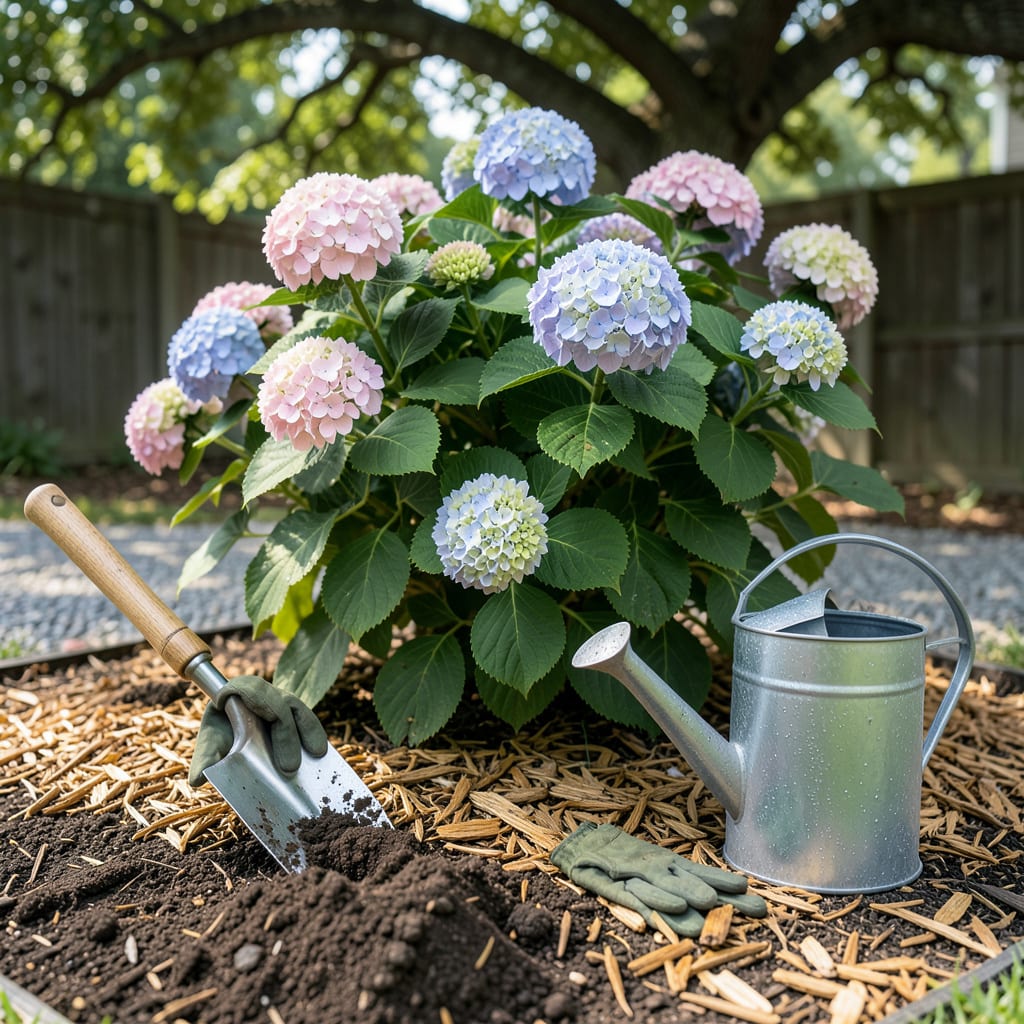
If you’ve ever admired those stunning 🌸 hydrangea blooms in North Carolina gardens and wondered why yours never quite measure up, timing might be your missing piece. Plant them at the wrong moment, and you could be setting yourself up for lackluster growth or even disappointment.
After years of testing what works in our humid subtropical climate, I’ve nailed down the perfect planting windows for zone 7a. Whether you’re in the Piedmont or closer to the coast, I’ll show you exactly when to get those roots in the ground for show-stopping results year after year.
Getting hydrangeas established in North Carolina requires understanding our three distinct regions and their microclimates. The Coastal Plain stays warmer longer, while the Mountains face earlier frosts. This variation means planting windows shift dramatically across the state.
In my experience, fall planting often yields the best results for most NC gardeners. The cooler air reduces transplant shock while warm soil encourages root development. However, spring planting can work beautifully if you time it right after your region’s last frost date.
| NC Region | USDA Zone | Spring Window | Fall Window | Soil Temp |
|---|---|---|---|---|
| Coastal Plain | 8a-8b | Feb 15 – Mar 31 | Sep 15 – Oct 31 | 55°F+ |
| Piedmont | 7a-7b | Mar 15 – Apr 15 | Sep 1 – Oct 15 | 50°F+ |
| Mountains | 6a-7a | Apr 1 – May 1 | Aug 15 – Sep 30 | 50°F+ |
For spring planting, I recommend waiting until soil reaches 55°F at 6″ depth. This is especially critical for bigleaf hydrangeas (H. macrophylla) which are frost-sensitive. Use a soil thermometer – they’re inexpensive and take the guesswork out of timing.
Fall planting offers unique advantages in NC. The reduced water needs and cooler temperatures mean less stress on new plants. I’ve found September plantings often establish better than spring ones, giving roots a head start before summer heat arrives.
Mountain gardeners should watch for early frosts that can arrive by mid-October. I suggest completing fall planting by September 30 and applying 3-4 inches of mulch to insulate roots from temperature fluctuations.
The hydrangea variety you choose affects timing too. Panicle hydrangeas (H. paniculata) tolerate heat better and can be planted slightly later in spring. Oakleaf varieties prefer the dappled shade common in Piedmont forests and thrive with either planting season.
No matter when you plant, consistent moisture is key for the first 4-6 weeks. Our NC summers can be tough on new plants, so I always recommend morning watering and afternoon shade for the best establishment. 🌸
Remember that container-grown hydrangeas can be planted anytime during the growing season if you’re careful with watering. Bare-root plants should only go in during the optimal windows shown in our table above.
If you’re in the Coastal Plain, watch for hurricane season (June-November) when planting. New plants may need staking or wind protection. In the Piedmont, our clay soils benefit from amending with compost before planting any season.
North Carolina’s diverse climate zones mean there’s no one-size-fits-all answer for planting hydrangeas. In the Coastal Plain (Zone 8a-8b), you’ll want to plant earlier than gardeners in the Mountains (Zone 6a-7a). The key is working with your region’s last frost date.
For most of us in the Piedmont (Zone 7b), the sweet spot is either early spring (March-April) or early fall (September-October). I’ve found fall planting often gives roots extra time to establish before summer heat hits. The soil stays warmer longer, encouraging root growth while tops stay dormant.
| NC Region | USDA Zone | Spring Planting | Fall Planting | Last Frost Date |
|---|---|---|---|---|
| Coastal Plain | 8a-8b | Feb 15 – Mar 31 | Sep 15 – Oct 31 | Mar 15 |
| Piedmont | 7a-7b | Mar 15 – Apr 15 | Sep 1 – Oct 15 | Apr 15 |
| Mountains | 6a-7a | Apr 1 – May 1 | Aug 15 – Sep 30 | May 1 |
If you’re planting in spring, wait until after your region’s last frost date when soil temperatures reach at least 55°F. This is crucial for Hydrangea macrophylla varieties that are sensitive to late frosts. I always check soil temp with a simple thermometer before planting.
Fall planting has its advantages too. The cooler air temperatures reduce plant stress while warm soil promotes root development. Just
For mountain gardeners, be extra cautious with fall planting. Those early mountain frosts can sneak up quickly. I recommend planting no later than September 30 and using 2-3 inches of mulch to protect new plants from temperature swings.
Remember, hydrangea varieties matter too. Panicle hydrangeas (H. paniculata) handle heat better and can be planted slightly later in spring. Oakleaf hydrangeas (H. quercifolia) prefer the partial shade common in our Piedmont forests and do well with either spring or fall planting.
No matter when you plant, always water deeply after planting and maintain consistent moisture for the first few weeks. Our NC summers can be brutal on new plants, so morning watering and afternoon shade are your best friends for establishing healthy hydrangeas. 🌸
Even experienced gardeners can make costly errors when planting hydrangeas in our North Carolina climate. The most common mistake I see is planting in full sun, which leads to wilting during our 90°F+ summers. Hydrangeas thrive with morning sun and afternoon shade—especially bigleaf varieties.
Another critical error is ignoring soil pH, which directly affects bloom color and plant health. Our native Piedmont soils often test too alkaline for hydrangeas. I always recommend testing soil and amending with sulfur or peat moss to achieve that ideal 5.2-6.2 pH range.
Overwatering is another frequent issue, especially in our humid summers. While hydrangeas love moisture, soggy roots lead to root rot. I use the finger test—only water when the top inch of soil feels dry. Mulching with 2-3 inches of pine bark helps maintain consistent moisture without waterlogging.
Many gardeners also plant too deep, burying the root ball. This suffocates roots and encourages stem rot. The top of the root ball should sit 1-2 inches above ground level. For container plants, I gently loosen roots before planting to prevent circling, which can girdle and kill the plant over time.
Don’t forget about wind protection in coastal areas! New hydrangea plants can be damaged by tropical storms from June-November. I recommend staking young plants or planting near a windbreak like a fence or larger shrubs. In mountain regions, late spring frosts can be deadly—always have frost cloth ready through May.
Finally, avoid skipping mulch in our climate. Our temperature swings stress plants, but a good mulch layer moderates soil temps and retains moisture. I prefer pine bark mulch as it also helps acidify soil over time, benefiting hydrangeas. 🌸
Fall is generally ideal for most NC regions because the cooler air reduces transplant shock while warm soil encourages root growth. However, spring planting works well if done after your last frost date when soil reaches 55°F.
Use a simple soil thermometer to check at 6-inch depth—ideal temperature is 50-55°F. In Piedmont areas, this typically happens mid-March for spring planting. If you don’t have a thermometer, wait until nighttime temps stay above 50°F consistently.
Yes, but with extra care! Summer planting requires daily watering and afternoon shade to combat NC’s heat. I recommend morning planting to reduce stress, plus 3 inches of mulch to retain moisture. Avoid bare-root plants in summer—they struggle to establish.
Mountain gardeners should finish fall planting by September 30 to avoid early frosts. For spring, don’t plant after May 1—late frosts can still occur. Always have frost cloth ready through May, as mountain microclimates can dip unexpectedly.
Coastal areas have a longer planting window (Feb 15-Oct 31) due to milder winters. However, hurricane season (June-Nov) requires staking new plants. Piedmont’s clay soil needs more amending with compost. Both regions benefit from afternoon shade to protect from intense summer sun.
