
Beautiful Plants For Your Interior
Beautiful Plants For Your Interior
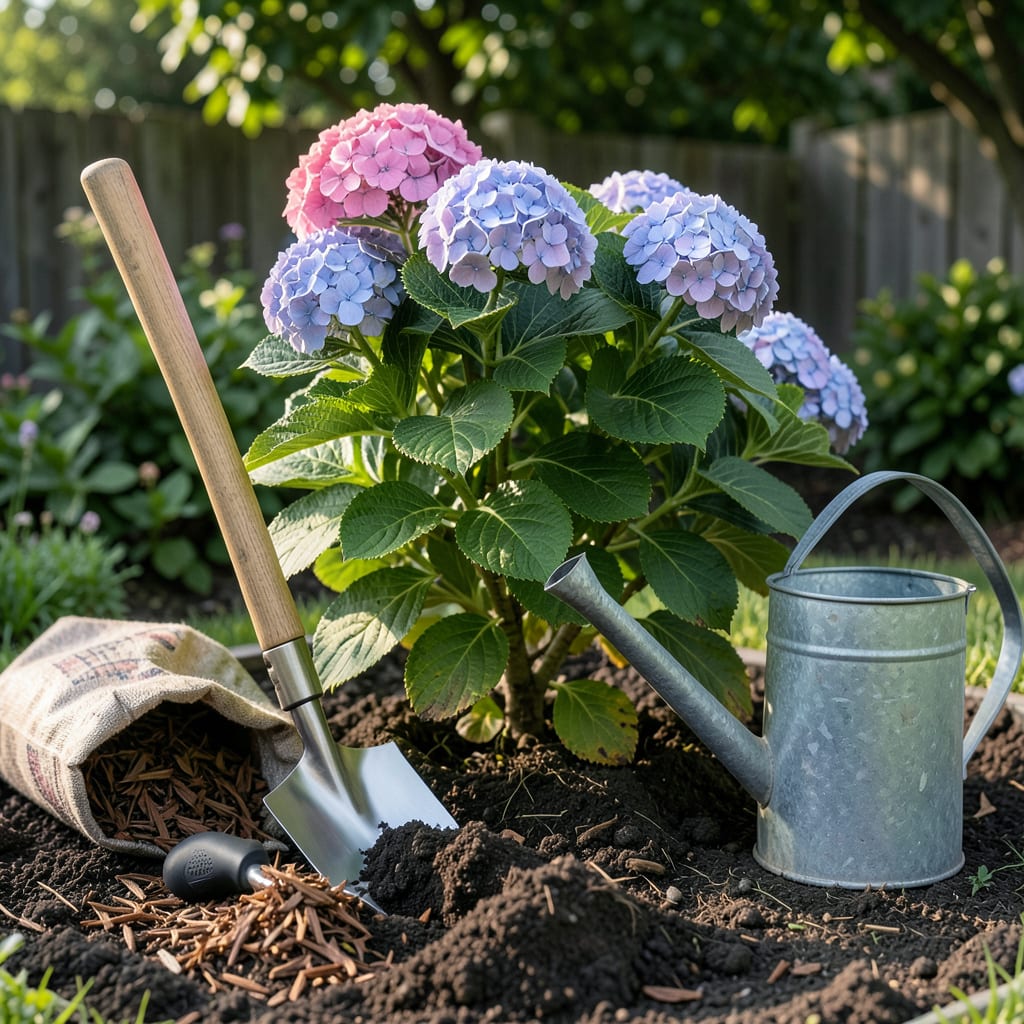
Michigan’s unpredictable weather can turn hydrangea planting into a guessing game—plant too soon, and frost might steal your blooms; wait too long, and roots struggle before winter. But here’s the good news: timing isn’t about luck—it’s about strategy.
After years of testing what works in Zone 5b, I’ve nailed down the best windows to get your 🌸 hydrangeas thriving. Whether you’re in Traverse City or Detroit, I’ll show you exactly when to dig in for showstopping flowers—no green thumb required.
If you’re dreaming of lush hydrangea blooms in your Michigan garden, timing your planting is absolutely critical. Our state’s USDA Zones 4-6 bring unpredictable weather—late frosts in spring and early freezes in fall can derail even the best-laid plans. I’ve found that fall planting often gives hydrangeas the strongest start, but spring works too if you play your cards right.
Michigan’s last frost date (around May 15) and first frost (mid-October) create a narrow window. The key? Soil temperature—hydrangeas thrive when soil is consistently above 50°F. Too cold, and roots stagnate; too hot, and plants stress. Let’s break down the ideal months and what makes each season unique for planting.
| Season | Ideal Months | Soil Temp | Pros | Cons |
|---|---|---|---|---|
| Early Spring | April–May | 50–60°F | Long growing season ahead | Risk of late frost damage |
| Late Spring | May–June | 60–65°F | Warmer soil speeds root growth | Requires frequent watering |
| Early Fall | September | 55–65°F | Cooler temps reduce transplant shock | Must plant 6+ weeks before frost |
| Late Fall | October (early) | 50°F+ | Roots establish before winter | High risk if planted too late |
For spring planting, I recommend waiting until late April through May—after the last frost but before summer heat arrives. This gives roots time to establish before the July-August droughts that often plague Michigan gardens. If you’re planting container-grown hydrangeas, you can push this window slightly earlier since their roots are already developed.
Fall planting is my personal favorite for Michigan hydrangeas. Aim for early September through early October. The cooler air temperatures reduce stress on the plant, while the soil stays warm enough to encourage root growth. Just be sure to plant at least 6 weeks before the first frost (around October 15) to give roots time to settle in.
If you’re in southern Michigan (Zone 6), you can often plant a week or two earlier in spring or later in fall compared to the Upper Peninsula (Zone 4). Lake-effect areas near Grand Rapids or Traverse City may have microclimates that extend the season slightly—pay attention to your local frost dates!
For bare-root hydrangeas, spring is your only option—they need the entire growing season to establish. But for potted hydrangeas, fall planting gives them a head start for next year’s blooms. I’ve seen ‘Annabelle’ and ‘Limelight’ varieties planted in September thrive the following summer with minimal care.
Pro tip: If you’re planting in heavy clay soil (common in much of Michigan), amend the hole with compost or pine bark fines to improve drainage. Hydrangeas hate soggy roots! And always mulch heavily after planting—2-3 inches of shredded bark helps retain moisture and insulate roots through our wild temperature swings.
What if you miss the ideal windows? Summer planting is possible but risky—you’ll need to water daily and provide afternoon shade to prevent heat stress. Avoid planting in July-August unless you’re prepared for extra babysitting. Winter planting? Absolutely not—hydrangeas won’t survive Michigan’s frozen ground.
Still unsure? Here’s my foolproof rule: If the soil is workable (not frozen or waterlogged) and daytime temps stay above 50°F, it’s a safe time to plant. When in doubt, grab a soil thermometer—it’s the best $10 you’ll spend for your garden! 🌡️
Michigan’s unpredictable weather can turn hydrangea planting into a gamble if you’re not careful. I’ve seen gardeners lose entire shrubs by planting too late in October or ignoring soil pH in spring. Let’s break down the most common monthly mistakes so you can sidestep disaster.
The key is understanding how lake-effect weather and soil composition (like heavy clay) impact your hydrangeas. For example, planting in soggy spring soil can rot roots, while fall planting without mulch risks winter die-off. Here’s what to watch for each month.
In spring (March-May), the biggest mistake is rushing to plant before soil warms. I always check with a soil thermometer—if it’s below 50°F, wait. Another spring blunder? Ignoring drainage. Michigan’s clay soil holds water, so amending with compost or pine bark is non-negotiable.
Come summer (June-August), the issue shifts to watering. Many gardeners assume hydrangeas need daily drinks, but overwatering causes root rot. Stick to deep weekly watering unless it’s a drought. Also, avoid pruning after July—you’ll cut next year’s blooms!
Fall (September-November) is ideal for planting, but timing is critical. Plant 6+ weeks before first frost (around October 15 in most of Michigan). Skip mulching? You risk winter heaving, where roots get pushed out of the ground by freeze-thaw cycles. Use shredded bark or straw—not leaves, which can mat down.
Finally, don’t overlook microclimates. If you’re near Lake Michigan, your planting window may shift by 2-3 weeks due to cooler temps. When in doubt, ask local nurseries for their hydrangea arrival dates—they’ve got the best intel for your exact area. 🌱
Michigan’s heavy clay soil can make or break your hydrangeas. I’ve seen gardeners struggle with wilting plants and weak blooms—all because they skipped soil prep. The secret? Amending the soil before planting gives roots the perfect home to thrive in our unpredictable climate.
Our state’s soil tends to be dense and alkaline, which hydrangeas hate. They crave well-draining, slightly acidic conditions (pH 5.5–6.5 for blue blooms, 6.5+ for pink). Whether you’re in Detroit’s clay or Traverse City’s sandy loam, these steps will transform your soil into a hydrangea paradise.
Start by digging a hole twice as wide as the root ball but no deeper. This loose soil helps roots spread easily. For clay-heavy areas (common in southeast Michigan), I mix in coarse sand or perlite to break up compaction. Avoid peat moss—it repels water when dry!
If you’re aiming for blue hydrangeas, work aluminum sulfate into the soil at planting (follow package rates). For pink blooms, add dolomitic lime. Remember: white hydrangeas (like ‘Annabelle’) stay white regardless of pH—focus on drainage instead.
Pro tip: Michigan’s spring rains can waterlog soil. Plant hydrangeas on a slight mound (2-3 inches high) to prevent root rot. In low-lying areas, consider raised beds. After planting, water deeply to settle soil, then mulch with shredded oak bark—it acidifies soil naturally as it breaks down.
Still nervous? Grab a soil moisture meter ($15 at any garden center). Hydrangeas like soil moist but not soggy—aim for readings between 3-5. Test weekly after planting, especially in drought-prone July-August. With these prep steps, you’ll see bigger blooms and healthier plants in just one season! 💧
Fall is actually ideal for most Michigan gardeners. The cooler air reduces transplant shock while warm soil encourages root growth. Aim for early September through early October, giving roots 6+ weeks before first frost. Spring works too, but requires more watering.
It’s possible but risky due to our hot, dry summers. If you must, choose early morning to plant and provide daily water for the first 2 weeks. Avoid July-August unless you can offer afternoon shade and consistent moisture. Container-grown plants handle summer better than bare-root.
Apply 3-4 inches of mulch (shredded bark works best) around the base after planting. In late November, add an extra 2 inches of straw or leaves. For extra protection in Zone 4 areas, wrap stems with burlap. Avoid pruning until spring to preserve flower buds.
For our Zones 4-6, hardy varieties like ‘Annabelle’ (smooth hydrangea) and ‘Limelight’ (panicle) thrive. They handle -20°F winters and bloom reliably. For blue flowers, try ‘Endless Summer’—just amend soil with sulfur. Avoid bigleaf types unless you’re in protected Zone 6 areas.
Water deeply 2-3 times per week for the first month, then taper to weekly. In hot July-August, increase to every 3-4 days. Always water at the base in early morning. Use the finger test—if soil is dry 2 inches down, it’s time to water.
