
Beautiful Plants For Your Interior
Beautiful Plants For Your Interior
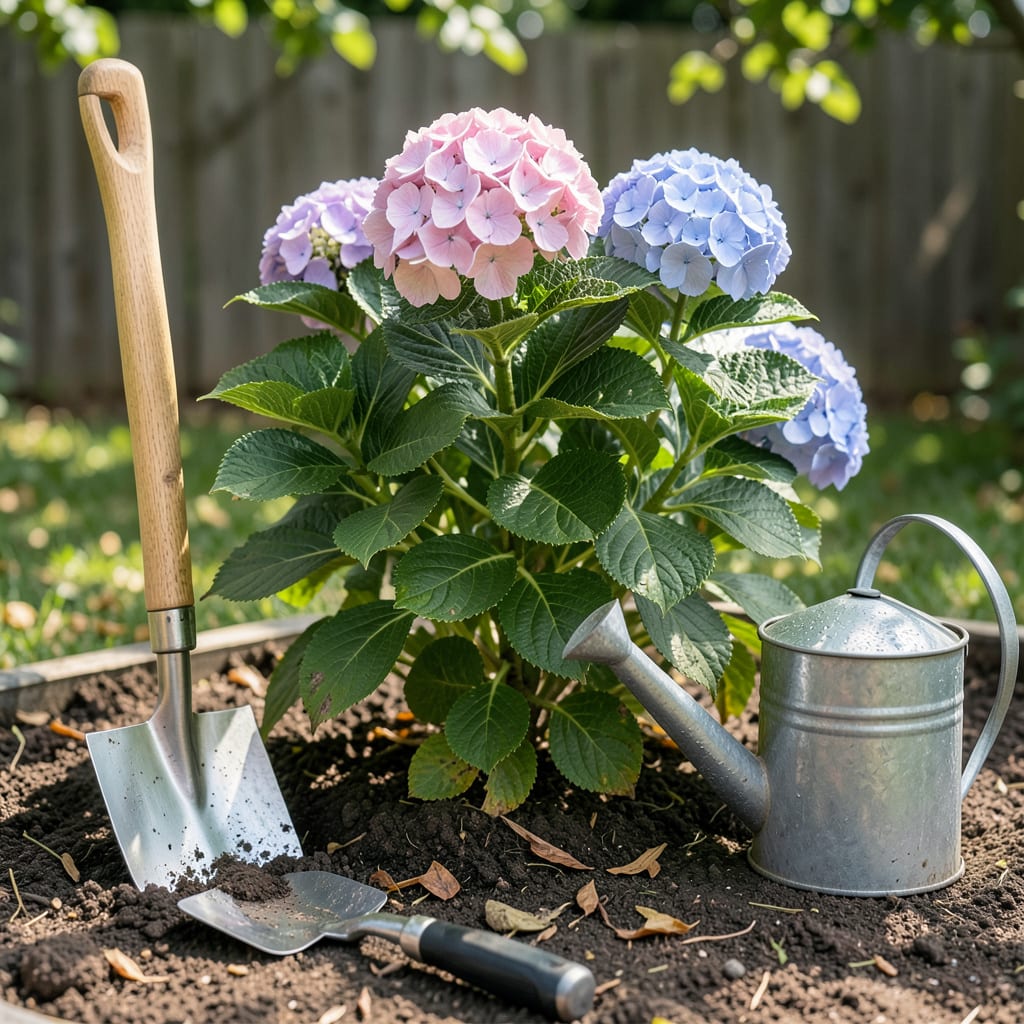
Georgia’s heat and humidity can make or break your 🌺 hydrangeas—plant them at the wrong time, and you might end up with wilted dreams instead of vibrant blooms. I’ve seen too many gardeners struggle because they followed generic advice that doesn’t account for our USDA Zone 8a quirks.
The secret? Timing that works with Georgia’s climate, not against it. Whether you’re planting in the cooler fall or giving early spring a shot, I’ll show you exactly when to get those roots in the ground for showstopping flowers. Let’s dig in—literally.
If you’ve ever wondered why your neighbor’s hydrangeas thrive while yours struggle, timing is likely the culprit. In Georgia’s Zone 8a, the fall planting window (October–November) is your golden ticket. The cooler temps let roots establish without the stress of summer’s scorching heat or winter’s unpredictable frosts.
But don’t rule out early spring (March–April) if you miss fall. Just be ready to babysit those roots through potential late frosts. The key? Soil temperature—aim for 50–60°F at planting depth. I’ve found potted hydrangeas adapt faster than bare-root, but both need this sweet spot to avoid transplant shock.
| Planting Window | Best For | Georgia Zones | Key Consideration |
|---|---|---|---|
| October–November | Bare-root & potted | 7a–9a | Roots establish before winter dormancy |
| March–Early April | Potted only | 7a–8b | Watch for late frosts; mulch heavily |
| September (Early) | Transplants | 8a–9a | Avoid if drought conditions persist |
| December (Early) | Dormant bare-root | 8b–9a | Soil must stay workable; use frost cloth |
Here’s the kicker: microclimates matter. Coastal Savannah gardeners can push fall planting into early December, while North Georgia’s Zone 7a folks should wrap up by late October. I always check the 10-day forecast for temperature swings—hydrangeas hate surprises!
For bigleaf hydrangeas (those iconic blue/pink blooms), fall planting is non-negotiable. Their shallow roots need time to settle before summer’s heat. Oakleaf varieties, though, are more forgiving—spring or fall works, but they’ll need extra shade in Atlanta’s July scorchers.
Pro tip: If you’re planting in spring, choose a cloudy day and water deeply for the first week. I lost a ‘Endless Summer’ to transplant shock because I planted on a sunny 85°F day—lesson learned! Mulch with pine straw to retain moisture and regulate soil temp.
Bare-root hydrangeas? They’re budget-friendly but high-risk in Georgia’s clay soil. If you go this route, soak roots overnight before planting and amend the hole with compost and perlite. I mix in a handful of cottonseed meal to lower pH for those coveted blue flowers.
Still unsure? Here’s my foolproof test: Stick your finger 2 inches into the soil. If it’s cool and crumbly (not soggy or bone-dry), it’s go time. And remember—afternoon shade is your hydrangea’s best friend in Georgia, no matter the season.
One last thing: Avoid summer planting like the plague. The combo of heat and humidity stresses hydrangeas, leading to wilted leaves and stunted growth. If you must plant in summer, opt for a container-grown shrub and keep it in dappled shade until fall.
Now that you’ve got the timing down, let’s talk soil prep—because even perfect timing won’t save a hydrangea in Georgia’s notorious red clay. Trust me, I’ve dug the holes to prove it! 🪴
Georgia’s USDA Zones 7a-9a give us two prime windows for planting hydrangeas: early spring (March-April) and fall (October-November). I always lean toward fall planting—it lets roots establish before summer’s brutal heat hits. Spring works too, but you’ll need to stay on top of watering as temps rise.
Your hydrangea type matters too. Bigleaf hydrangeas (like ‘Endless Summer’) prefer fall planting, while oakleaf varieties (native to the Southeast!) can handle spring or fall. Bare-root plants need early spring, but potted hydrangeas thrive planted either season.
If you’re in North Georgia (Zone 7a), aim for October planting—roots get established before winter. Coastal gardeners (Zone 9a) can push planting into November or even early December. Pro tip: Avoid planting in summer—the heat stresses new plants, even with extra watering.
Soil prep is key. Georgia’s clay-heavy soil needs amending with compost or pine bark fines. I mix in 2-3 inches of organic matter to improve drainage. For blue blooms, test your soil pH—aim for 5.2-5.5 and add aluminum sulfate if needed.
After planting, mulch with 2-3 inches of pine straw to retain moisture and regulate soil temp. Water deeply 2-3 times weekly for the first month, then taper to weekly. Remember: Morning watering prevents fungal issues in our humid climate.
Watch for afternoon sun—especially in July and August. Even sun-loving panicle hydrangeas appreciate dappled shade from 2-5 PM. If your planting spot gets full sun, consider a shade cloth for the first summer.
Still unsure? Here’s my rule of thumb: If the soil is workable (not soggy or frozen) and temps stay between 50-70°F, it’s a good time to plant. Fall’s cooler temps and autumn rains give hydrangeas the best start in Georgia’s climate. 🌺
Georgia’s climate is a double-edged sword for hydrangeas—our warm winters and steamy summers can either make or break your shrubs. After years of trial and error (and a few dead plants), I’ve pinpointed the three biggest mistakes that sabotage hydrangeas in our state. Avoid these, and you’ll be rewarded with lush blooms instead of crispy leaves.
The first blunder? Planting too deep. Hydrangea roots need to breathe, and burying the crown (where roots meet stems) suffocates the plant. I always plant so the root ball sits 1–2 inches above soil level, then mound soil gently around it. This prevents rot and encourages strong root growth—critical in our clay-heavy soil.
Georgia’s 3 PM sun is brutal. Even sun-loving panicle hydrangeas wilt without shade. Plant where they get morning sun and afternoon shade, or use a 30% shade cloth for the first summer.
Our red clay soil drains poorly and compacts easily. Mix in 3 inches of compost and 1 cup of perlite per planting hole. For blue blooms, add cottonseed meal to lower pH to 5.2–5.5.
Hydrangeas need consistent moisture, not soggy roots. Water deeply 2x weekly for the first month, then taper to weekly. Stick your finger 2 inches deep—if it’s dry, water; if muddy, wait. Mulch with pine straw to retain moisture.
Another silent killer? Planting in summer. I once lost a ‘Nikko Blue’ hydrangea by planting it in July—the heat and humidity caused transplant shock before roots could establish. If you must plant in summer, opt for a container-grown shrub and keep it in dappled shade until fall.
Here’s a mistake I see often: forgetting to mulch. Georgia’s temperature swings stress hydrangeas. A 2–3 inch layer of pine straw (not dyed mulch!) regulates soil temp and retains moisture. Just keep mulch 3 inches away from the stem to prevent rot. I learned this the hard way after losing a plant to stem canker.
Finally, don’t ignore soil pH. Bigleaf hydrangeas in particular are pH-sensitive. For blue flowers, aim for pH 5.2–5.5; for pink, 6.0–6.2. Test your soil with a $10 kit from your local extension office. I adjust mine with aluminum sulfate (for blue) or lime (for pink) every spring.
Remember, hydrangeas are long-term investments. A little extra care at planting time pays off with years of stunning blooms. Now grab your shovel—and maybe a cold sweet tea—and get planting! 🌺
Fall planting (October-November) gives roots time to establish before summer heat arrives. Spring works too, but you’ll need to water more frequently as temperatures rise. Fall’s cooler temps and natural rainfall reduce transplant shock significantly.
Avoid summer planting if possible—Georgia’s heat and humidity stress new plants. If you must, choose a container-grown shrub and keep it in dappled shade. Water deeply every 2-3 days and mulch heavily to retain moisture.
Amend the planting hole with 3 inches of compost and 1 cup perlite to improve drainage. For blue blooms, mix in cottonseed meal to lower pH. I also recommend testing your soil—aim for pH 5.2-5.5 for vibrant blue flowers.
Planting too deep is the #1 killer. The root ball should sit 1-2 inches above soil level. Also, many forget afternoon shade—Georgia’s 3 PM sun can scorch leaves. Use a 30% shade cloth if your planting spot gets full afternoon sun.
Water deeply 2-3 times weekly for the first month, then taper to weekly. Stick your finger 2 inches deep—if it’s dry, water; if muddy, wait. Morning watering prevents fungal issues in our humid climate.
