
Beautiful Plants For Your Interior
Beautiful Plants For Your Interior
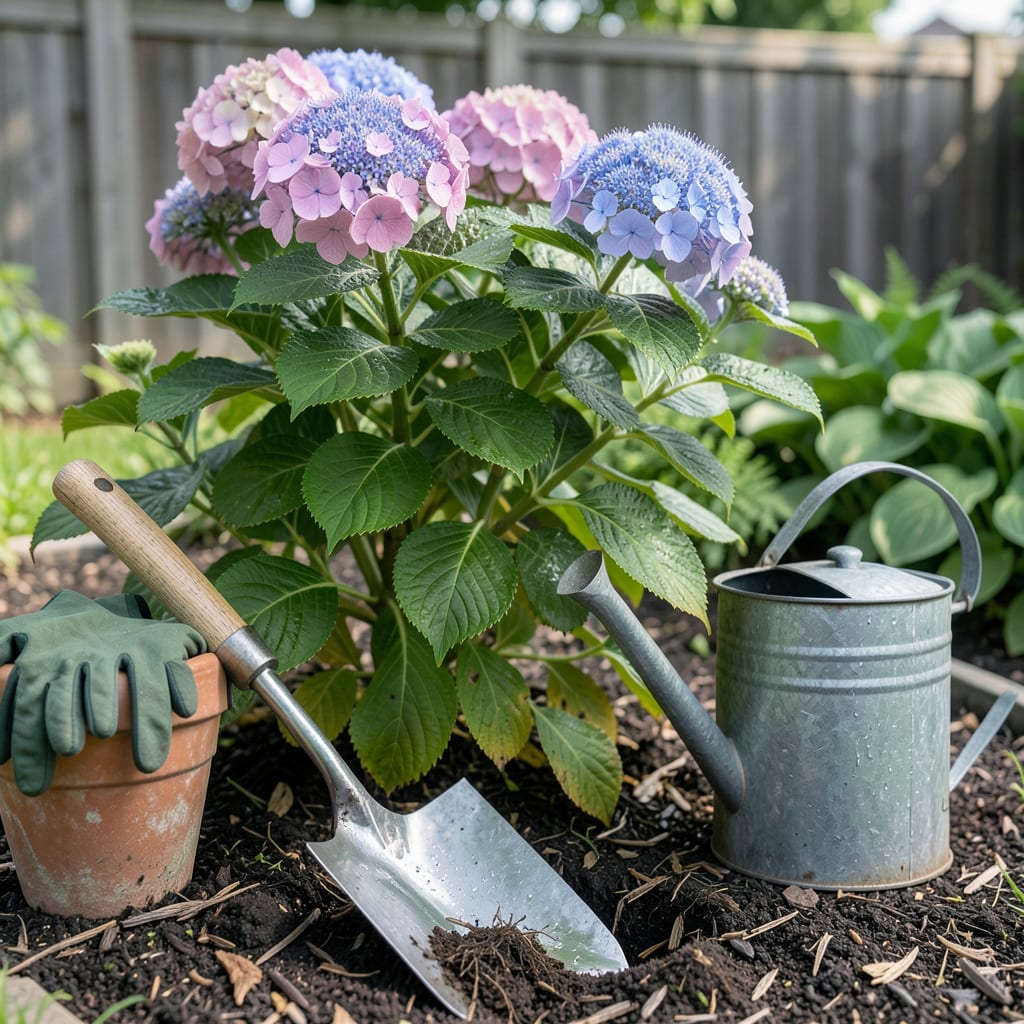
Picture this: lush 🌸 hydrangeas bursting with color all summer long, right in your Connecticut garden. But here’s the catch—plant them at the wrong time, and you might end up with sad, struggling shrubs instead of vibrant blooms.
After years of testing what works in our Zone 6a-7b climate, I’ve nailed down the perfect planting windows. Whether you’re a first-time gardener or a seasoned pro, I’ll show you exactly when to get those hydrangeas in the ground for maximum impact. Let’s make this your most beautiful summer yet!
If you’re dreaming of lush hydrangea blooms in your Connecticut garden, timing your planting is absolutely key. Our Zone 6 climate gives us two prime windows: early spring (April-May) and early fall (September-October). I always recommend spring planting for beginners.
Connecticut’s last frost date typically falls between April 15-May 15, so aim to plant after this danger has passed. The soil should be workable (not too wet or frozen) and warmed to at least 50°F for best root development.
Pro Tip: For fall planting, aim to get hydrangeas in the ground by October 1 to ensure root establishment before winter.
I’ve found that morning planting works best in Connecticut. The cooler temperatures and higher humidity reduce transplant shock. If you’re planting multiple hydrangeas, space them 3-5 feet apart depending on the mature size of your chosen variety.
Our New England soil often leans acidic, which is perfect for bigleaf hydrangeas (Hydrangea macrophylla) that thrive in pH 5.2-5.5. For panicle hydrangeas (H. paniculata), a slightly less acidic soil (pH 5.5-6.5) works better.
Remember that spring-planted hydrangeas will need extra attention during their first summer. I recommend a 2-3 inch layer of mulch to retain moisture and protect roots. Organic mulches like pine bark or shredded leaves work particularly well in CT gardens.
For fall planting, the secret is giving your hydrangeas enough time to establish roots before winter. Our first frost usually arrives between October 5-25, so I stop planting by early October to be safe. This gives roots about 6 weeks to settle in.
If you’re tempted to plant in summer, resist the urge! Our July-August heatwaves can be brutal on new hydrangea plants. The stress of transplanting combined with potential drought conditions makes summer the worst time to plant in Connecticut.
One final tip: always water deeply after planting, giving each shrub about 1-1.5 gallons of water. This helps settle the soil and eliminates air pockets around the roots. In our climate, consistent moisture is key during that first growing season.
Whether you choose spring or fall planting, remember that proper timing sets the foundation for years of beautiful blooms. Our Connecticut climate offers two great opportunities – just avoid the extremes of winter cold and summer heat when putting your hydrangeas in the ground! 🌸
Getting hydrangeas established in Connecticut’s clay-heavy soil requires some preparation. I’ve learned through trial and error that soil amendment is absolutely crucial for success. Our native soil often drains poorly and can be too alkaline for optimal hydrangea growth.
Start by testing your soil’s pH – you can pick up an inexpensive test kit at any garden center. For blue hydrangeas, aim for a pH of 5.2-5.5. If your soil is too alkaline (pH above 6.5), work in elemental sulfur or peat moss to lower it gradually.
Common CT Planting Mistake
Many gardeners plant hydrangeas too deep in our heavy soil. The root ball should sit 1-2 inches above ground level to prevent rot. Always plant at the same depth as the nursery container!
For the planting hole, dig it twice as wide as the root ball but no deeper. This gives roots room to spread in our compacted soil. Mix the excavated soil with compost or pine bark fines at a 50/50 ratio for better drainage.
When placing your hydrangea, position it so the top of the root ball is slightly above ground level. This prevents water from pooling around the stem. For container-grown plants, gently loosen the roots before planting to encourage outward growth.
After planting, create a watering basin around the plant by mounding soil in a 3-inch high ring. This helps direct water to the roots in our sometimes-dry summers. Mulch immediately with 2-3 inches of organic mulch, keeping it 2 inches away from the stem.
Water thoroughly after planting – I use about 1.5 gallons per shrub. The first week is critical, so check soil moisture daily. In Connecticut’s climate, morning watering is best to prevent fungal issues that our humid summers can encourage.
For ongoing care, remember that first-year hydrangeas need consistent moisture. I set up a simple drip irrigation system for my new plantings to maintain even moisture during our unpredictable New England weather patterns. 🌧️
Not all hydrangeas are created equal when it comes to Connecticut’s Zone 6 climate. After testing dozens of varieties in my own garden, I’ve found three that consistently outperform the rest. These beauties handle our cold winters, humid summers, and sometimes-finicky soil like champs.
The Endless Summer series (Hydrangea macrophylla) tops my list for CT gardeners. These re-blooming hydrangeas produce flowers on both old and new wood, meaning you’ll get blooms even after harsh winters. They thrive in our partial shade conditions and can handle the occasional late frost.
The Annabelle hydrangea (Hydrangea arborescens) is another CT favorite, especially for gardeners who want reliable white blooms. This variety handles our clay soil better than most and can tolerate more sun. Just be prepared to stake the stems if we get heavy summer rains – those giant flower heads can get top-heavy!
For something different, consider the Oakleaf hydrangea (Hydrangea quercifolia). Its unique oak-shaped leaves turn brilliant red in fall, extending your garden’s color season. This variety is more drought-tolerant once established, which comes in handy during our occasional summer dry spells.
When choosing your hydrangea, consider your garden’s sun exposure. Most varieties prefer morning sun with afternoon shade in Connecticut. The panicle hydrangeas (like ‘Limelight’) can handle more sun, making them great for south-facing gardens.
Remember that soil pH affects bloom color in bigleaf hydrangeas. In our naturally acidic CT soil, you’ll likely get blue flowers. For pink blooms, you’ll need to add lime to raise the pH. I recommend testing your soil before planting to plan your color scheme! 🌸
Both seasons work well, but spring planting (April-May) is ideal for beginners. It gives roots time to establish before summer heat. Fall planting (September-October) works too, but stop by October 1 to avoid winter damage.
Cover young plants with frost cloth or a lightweight blanket if temps drop below 32°F. For potted hydrangeas, move them to a sheltered spot. Always remove covers during the day to prevent overheating.
Planting too deep in our clay-heavy soil! The root ball should sit 1-2 inches above ground level. Also, many forget to amend soil with compost – critical for drainage in New England gardens.
Avoid summer planting in CT – our heatwaves and potential drought stress new plants. If you must, plant in early morning, water daily, and provide afternoon shade. Even then, survival rates drop significantly.
Water 2-3 times weekly (about 1.5 gallons per plant) for the first month. Our unpredictable weather means checking soil moisture daily – it should stay moist but not soggy. Morning watering works best.
