
Beautiful Plants For Your Interior
Beautiful Plants For Your Interior
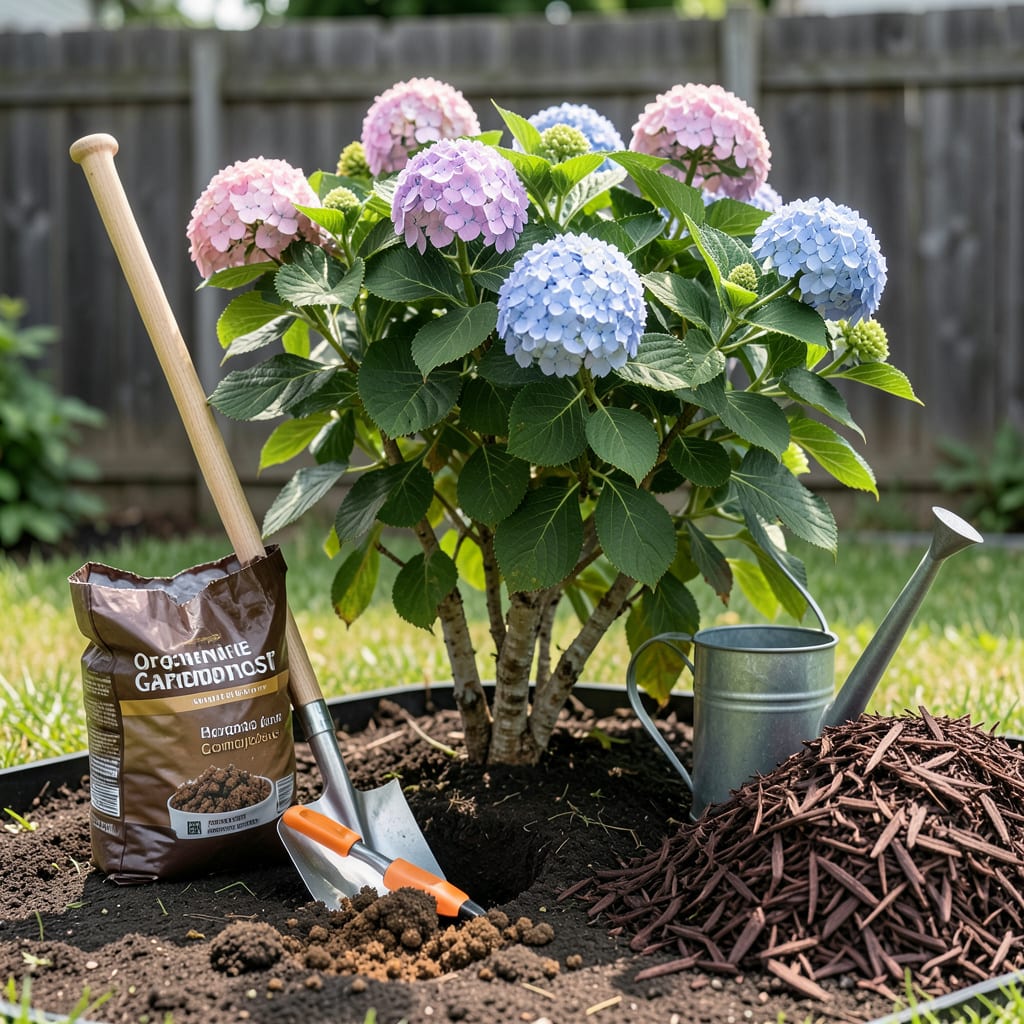
Timing can make or break your 🌸 Hydrangeas in Colorado’s finicky Zone 5 climate. Plant too soon, and late frosts might sabotage your efforts. Wait too long, and summer’s scorching heat could stress those delicate roots before they even settle in.
I’ve seen gardeners struggle with this exact dilemma—until they learned the two perfect windows for success. Whether you’re in Denver or the mountains, I’ll show you how to align with Colorado’s unique seasons and set your shrubs up for those lush summer blooms you’re dreaming of.
Getting hydrangeas established in Colorado’s Zone 5 climate requires precise timing. Our state’s late spring frosts and intense summer heat create a narrow window for success. I’ve found that April through May and September through early October work best—if you align with soil temps and frost dates.
Colorado’s elevation variations mean Denver gardeners plant earlier than those in mountain towns like Breckenridge. Always check your local last frost date (typically May 1–30 along the Front Range). Soil should be 50°F+ at planting depth for root development.
| City | Last Frost Date | Spring Planting Window | Fall Planting Window |
|---|---|---|---|
| Denver | May 10 | April 15–May 20 | Sept 1–Oct 10 |
| Colorado Springs | May 15 | April 20–May 25 | Sept 5–Oct 5 |
| Fort Collins | May 5 | April 10–May 15 | Aug 25–Sept 25 |
| Boulder | May 12 | April 18–May 22 | Sept 3–Oct 8 |
| Mountain Towns (8,000+ ft) | June 1 | May 15–June 10 | Aug 15–Sept 15 |
Data Source: Colorado State University Extension (2023)
For spring planting, I recommend waiting until after your last frost but before summer heat arrives. This gives roots time to establish without stress. In Denver, that’s typically mid-April to mid-May. Mountain gardeners should wait until late May when soil warms.
Fall planting often produces stronger plants because cooler temps and autumn rains reduce transplant shock. Aim for September through early October—at least 6 weeks before first frost. This allows roots to grow before winter dormancy. I’ve had best success with fall-planted hydrangeas in my Colorado garden.
Soil prep is critical in our clay-heavy, alkaline soils. Before planting, I always amend with 2–3 inches of compost and peat moss to improve drainage and acidity. Hydrangeas prefer slightly acidic soil (pH 5.5–6.5) for best bloom color. Test your soil—many Colorado gardens need sulfur amendments.
Watering is another key factor. New hydrangeas need deep watering 3 times weekly for the first month. In Colorado’s dry climate, I use soaker hoses to deliver water directly to roots and prevent evaporation. Mulch with 3–4 inches of shredded bark to retain moisture and regulate soil temperature.
For high-altitude gardens (above 7,000 ft), adjust timing by 2–3 weeks later in spring and 2–3 weeks earlier in fall. The shorter growing season means you’ll want to choose fast-establishing varieties like Hydrangea paniculata ‘Little Lime’ or H. arborescens ‘Annabelle’.
After planting, protect new shrubs from Colorado’s intense afternoon sun and drying winds. I use shade cloth for the first summer and windbreaks in exposed areas. Remember, hydrangeas in our climate need morning sun and afternoon shade to thrive.
If you’re planting in containers, you can start a bit earlier—just be ready to move pots indoors if late frosts threaten. Container-grown hydrangeas dry out faster in our climate, so check soil moisture daily during the first month. I’ve found they need daily watering in summer heat waves.
For the most reliable results, I follow Colorado State University Extension’s recommendation to plant in early morning when temperatures are coolest. This reduces transplant shock. Avoid planting during heat waves or when winds exceed 15 mph, which is common in our spring months.
Colorado’s unique climate presents some special challenges for hydrangea success. I’ve seen many gardeners unknowingly sabotage their shrubs by making these common mistakes. The good news? They’re all easily avoidable once you know what to watch for in our high-altitude environment.
Our intense sunlight and drying winds can quickly stress new plants. Many Colorado gardeners assume hydrangeas need full sun, but in our climate, that’s a recipe for scorched leaves and wilted blooms. The key is understanding how our conditions differ from other regions.
Colorado’s high-altitude sun is more intense than at sea level. Planting hydrangeas in west-facing locations leads to sunburned leaves and premature bloom fade. Always choose east or north exposures for afternoon shade.
Our clay-heavy, alkaline soils suffocate hydrangea roots. I always mix in 30% compost and peat moss to improve drainage and lower pH. Without this, plants struggle with nutrient uptake and stunted growth.
Colorado’s Chinook winds desiccate new plants. Mountain gardeners especially need windbreaks or burlap wraps for the first year. I’ve lost count of how many hydrangeas I’ve seen wither from windburn before they could establish.
Another frequent issue I see is improper planting depth. Hydrangeas should be planted at the same depth as their nursery container—never deeper. Burying the stem leads to root rot, while planting too shallow causes drying out in our arid climate.
Watering mistakes rank high on the problem list too. Many gardeners either overwater (leading to root rot) or underwater (causing stress). In Colorado, I recommend deep watering 3x weekly for new plants, then tapering to 2x weekly once established. Always water at the base of the plant—never overhead.
Don’t overlook our rapid temperature swings. A 70°F day can drop to 30°F overnight in spring/fall. I protect new plantings with frost blankets when temps dip below 35°F. This simple step prevents bud damage that could ruin next year’s blooms.
Finally, many Colorado gardeners choose the wrong varieties. Not all hydrangeas thrive here. I stick with cold-hardy types like H. paniculata ‘Limelight’ or H. arborescens ‘Annabelle’. These handle our -20°F winters and 90°F summers without missing a beat.
By avoiding these common pitfalls, you’ll give your hydrangeas the best chance to flourish in Colorado’s challenging but rewarding climate. Trust me—your blooms will thank you! 🌸
Not all hydrangeas can handle Colorado’s wild temperature swings—from -20°F winters to 90°F summers. After years of testing, I’ve found the top cold-hardy varieties that thrive in our unique climate. These cultivars withstand our alkaline soils, dry air, and intense sunlight while delivering stunning blooms.
For Colorado gardens, focus on three main types: Hydrangea paniculata, H. arborescens, and select cold-hardy H. macrophylla varieties. Each offers different benefits for our high-altitude conditions. I’ll break down the best performers and why they succeed where others fail.
| Variety | Cold Hardiness | Bloom Time | Sun Tolerance | Drought Resistance | Best For |
|---|---|---|---|---|---|
| H. paniculata ‘Limelight’ | Zone 3-8 | Mid-Late Summer | Full Sun to Part Shade | High | Urban gardens, heat-prone areas |
| H. paniculata ‘Little Lime’ | Zone 3-8 | Mid-Summer | Full Sun to Part Shade | High | Small spaces, containers |
| H. arborescens ‘Annabelle’ | Zone 3-9 | Early-Mid Summer | Part Shade | Medium | Mountain gardens, shaded areas |
| H. macrophylla ‘Endless Summer’ | Zone 4-9 | Summer-Fall | Part Shade | Low | Protected urban microclimates |
| H. quercifolia ‘Snow Queen’ | Zone 5-9 | Early-Mid Summer | Part Shade | Medium | Woodland gardens, acidic soils |
Note: Varieties marked in green are my top recommendations for Colorado’s challenging climate.
Hydrangea paniculata varieties like ‘Limelight’ and ‘Little Lime’ are my top picks for Colorado. They handle our heat waves and drought conditions better than most. Their cone-shaped blooms start white and age to pink, providing months of color. I’ve seen them thrive in Denver’s clay soils with proper amendments.
For mountain gardens above 7,000 feet, H. arborescens ‘Annabelle’ is unbeatable. This native hydrangea tolerates cold snaps and late frosts that would kill other varieties. Its white snowball blooms brighten shady spots. Just be sure to mulch heavily to protect roots from freeze-thaw cycles.
Hydrangea macrophylla ‘Endless Summer’ can work in protected urban areas but requires more care. It needs consistent moisture and acidic soil amendments to thrive in Colorado. I recommend it only for gardeners willing to monitor soil pH and water regularly. The payoff? Reblooming flowers from summer to fall.
No matter which variety you choose, remember that proper siting is crucial in Colorado. All hydrangeas need afternoon shade here—our UV intensity at altitude can scorch leaves. I position mine where they get morning sun but are shielded by buildings or trees after noon. This simple step prevents heat stress and premature bloom fade.
Fall planting often yields stronger results in Colorado. The cooler temperatures and autumn rains reduce transplant shock, giving roots time to establish before winter. Aim for September through early October—at least 6 weeks before first frost—for best success.
Above 7,000 feet, shift your window 2–3 weeks later in spring and 2–3 weeks earlier in fall. Mountain towns like Breckenridge have shorter seasons, so plant May 15–June 10 or August 15–September 15. Always check local frost dates.
Ignoring our intense afternoon sun is the top error. At high altitude, west-facing locations scorch leaves and fade blooms. Always plant where hydrangeas get morning sun but afternoon shade—east or north exposures work best.
Yes! Containers can go out 2–3 weeks earlier in spring, but be ready to move them indoors if late frosts threaten. Just monitor soil moisture daily—potted hydrangeas dry out faster in Colorado’s arid climate and may need daily watering during heat waves.
