
Beautiful Plants For Your Interior
Beautiful Plants For Your Interior
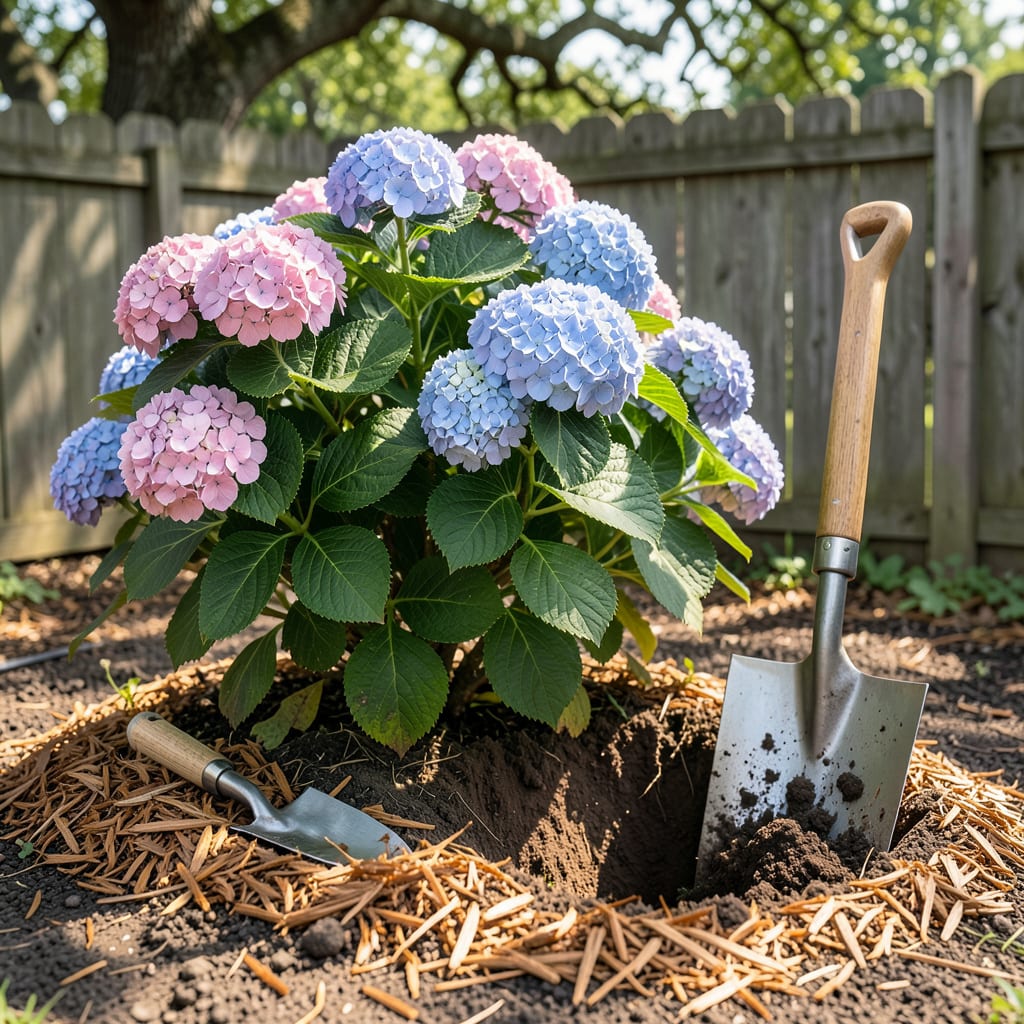
If you’ve ever admired those stunning 🌸 hydrangea blooms across Alabama neighborhoods and wondered why yours aren’t thriving, timing might be your missing piece. Our state’s unique climate—with its humid summers and mild winters—demands a strategic approach to planting.
I’ve helped countless gardeners transform their yards by mastering the ideal planting windows for Alabama’s USDA Zone 7b. Whether you’re in Birmingham or Mobile, I’ll show you exactly when to get those roots in the ground for show-stopping results year after year.
Alabama’s humid subtropical climate creates perfect conditions for hydrangeas—but only if you plant them at the right time. I’ve found that fall planting gives roots a head start before summer heat arrives, while spring planting works as a backup option with extra care.
The key is working with Alabama’s USDA Zones 7a-9a, where first frost typically hits around November 15. This timing allows roots to establish before winter dormancy. Let me break down exactly when to plant for your specific region.
For Birmingham gardeners in Zone 7b, I recommend planting between October 1-30 for best results. The soil stays warm enough for root growth while cooler air temperatures reduce stress on new plants.
Down in Mobile’s Zone 8b, you can push planting into early December thanks to milder winters. But don’t wait too long—roots need 4-6 weeks to establish before the first hard freeze.
Spring planting works if you missed fall, but you’ll need to be vigilant about watering. Alabama’s spring can be unpredictable—late frosts in March followed by sudden heat waves in April can shock new plants.
If you must plant in summer, choose heat-tolerant varieties like Hydrangea macrophylla ‘Endless Summer’ and plant in partial shade. You’ll need to water daily for the first month and mulch heavily.
I always tell my clients: Fall is king for hydrangeas in Alabama. The combination of warm soil and cool air creates perfect conditions for root development without the stress of blooming.
Remember that soil temperature matters more than air temperature. Aim for soil temps between 50-60°F—this is when roots grow most actively. A simple soil thermometer can take the guesswork out of planting time.
For container-grown hydrangeas, you have more flexibility. These can be planted year-round if you’re careful about watering. Just avoid planting during freezing spells or heat waves above 90°F.
No matter when you plant, prepare your soil first. Alabama’s clay-heavy soil needs amending with compost or pine bark fines. I’ll cover soil prep in detail in the next section—it’s just as important as timing for those gorgeous blooms! 🌸
Now that you know when to plant hydrangeas in Alabama, let’s dive into the how. I’ve developed this season-specific guide after years of working with Alabama’s clay-rich soil and unpredictable weather patterns. The key is tailoring your approach to each planting window.
For fall planting (my top recommendation), you’ll want to focus on root establishment before winter. This means deeper holes, extra compost, and careful watering. Spring planting requires more attention to moisture management as temperatures rise quickly in Alabama.
Amend clay soil with 3 inches of compost or pine bark fines. Test pH—hydrangeas prefer 5.5-6.5 (blue blooms) or 6.5+ (pink blooms).
Make it 2x wider than the root ball but no deeper. In Alabama’s heat, wider holes help roots spread faster in our dense soil.
Position so the root flare sits 1-2 inches above soil level. This prevents rot in Alabama’s humid climate and encourages strong root growth.
Give 1-2 inches weekly, but adjust for Alabama’s seasons: daily in summer, weekly in fall/spring. Use drip irrigation to avoid fungal issues.
Apply 3-4 inches of pine straw or shredded bark. This keeps roots cool in Alabama summers and protects against winter temperature swings.
For fall planting, I recommend adding a root stimulator to help establishment before winter. Mix it with your first watering—this gives roots a 20% growth boost in our mild Alabama winters. Come spring, you’ll see explosive new growth.
Spring-planted hydrangeas need extra TLC in Alabama. Our springs can jump from 50°F to 85°F in weeks! Use shade cloth for afternoon sun and water every 2-3 days until established. I’ve saved countless plants with this simple trick.
If you’re planting in containers, choose pots at least 18 inches wide with drainage holes. Alabama’s summer rains can waterlog pots quickly. Elevate containers on bricks and check drainage weekly during our wet season.
Remember that oakleaf hydrangeas (Hydrangea quercifolia), native to Alabama, need less pampering than macrophylla types. They thrive in our partial shade and handle drought better once established. Perfect for busy gardeners!
After planting, mark your calendar for 3 months later—that’s when to check soil moisture depth. Stick your finger 2-3 inches deep. If dry, it’s time to water. This simple test prevents both underwatering and root rot in our humid climate. 🌿
Even experienced Alabama gardeners sometimes struggle with hydrangeas, and I’ve found it’s usually due to three preventable mistakes. Our state’s unique combination of clay soil, high humidity, and temperature swings creates perfect conditions for these errors to sabotage your plants.
The most common issue I see is ignoring soil pH, which directly affects both plant health and bloom color. Alabama’s naturally acidic soil can turn your pink hydrangeas blue overnight—or worse, cause nutrient lockout that stunts growth entirely.
Alabama’s afternoon sun (especially June-August) will scorch hydrangea leaves. Always plant where they get morning sun and afternoon shade, or use 30% shade cloth for new plants.
Our dense Alabama clay suffocates roots. Mix in 30% compost and 20% pine bark fines to improve drainage. For containers, use a mix with perolite or vermiculite to prevent waterlogging.
Alabama’s humidity fools gardeners into overwatering. Check soil 2 inches deep—if moist, wait. Use drip irrigation on timers to maintain consistent moisture without soggy roots that invite fungal diseases.
The soil pH mistake is particularly sneaky in Alabama. Our native soil often tests below 5.0, which is too acidic for most hydrangeas. I recommend testing with a $10 soil test kit from your local extension office before planting.
For blue blooms, maintain pH 5.0-5.5 with aluminum sulfate. For pink blooms, raise to 6.0-6.5 with lime. In Birmingham’s limestone-rich areas, you might need to acidify regularly to keep those blues vibrant.
Another critical error is planting too deep. The root flare (where roots meet trunk) should sit 1-2 inches above soil level. I’ve seen gardeners bury this flare trying to stabilize plants in our loose topsoil, but this causes stem rot in our humid climate.
Finally, don’t forget about winter protection in North Alabama. While Mobile gardeners rarely worry, those in Zone 7a (like Huntsville) should mulch with 4-6 inches of pine straw after the first frost. This prevents root heaving during our occasional hard freezes. 🌱
October through early November is ideal for Alabama’s climate. The warm soil encourages root growth while cooler air reduces transplant shock. This gives plants time to establish before summer heat arrives.
Fall planting also means less watering stress compared to spring. The natural rainfall pattern in Alabama during autumn perfectly matches what new hydrangeas need to thrive.
Yes, but you’ll need to be more attentive. March through early April works, but Alabama’s spring heat arrives quickly. New plants will require consistent watering and possibly shade cloth for afternoon sun protection.
Spring-planted hydrangeas often need extra mulching (4-5 inches) to retain moisture during our unpredictable spring temperature swings.
Ignoring our clay soil is the #1 error. Many plant directly into unamended ground, which suffocates roots. Always mix in 30% compost and 20% pine bark fines to improve drainage and aeration.
Another common issue is planting too deep—keep the root flare 1-2 inches above soil level to prevent rot in our humid climate.
Yes! In North Alabama (Zone 7a), aim for early October planting. Central Alabama (Zone 7b-8a) can plant through late October. Coastal areas (Zone 8b-9a) can plant into early December thanks to milder winters.
Always check your local first frost date—roots need 4-6 weeks to establish before freezing temperatures arrive.
