
Beautiful Plants For Your Interior
Beautiful Plants For Your Interior
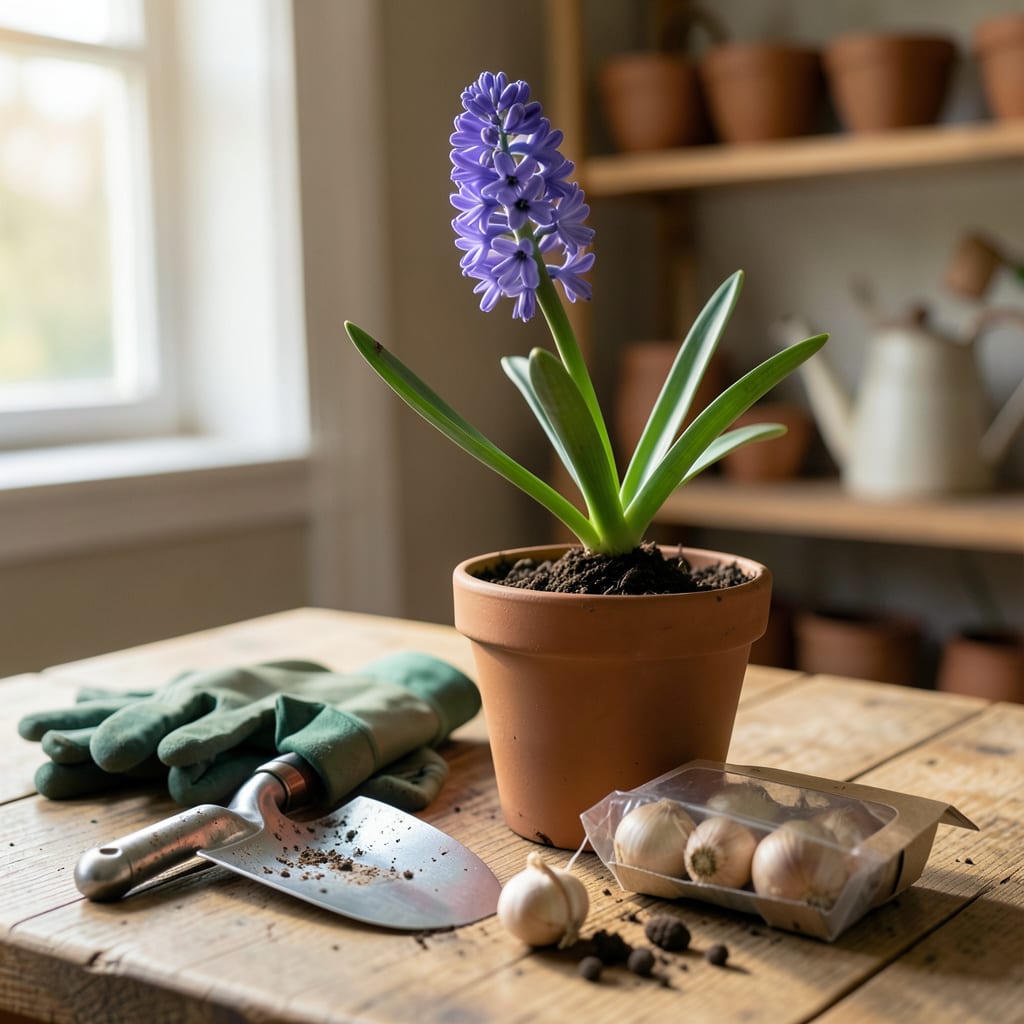
Imagine stepping outside in early spring to find your patio bursting with vibrant hyacinths 🌷, their sweet fragrance filling the air. That dream starts now—not in spring, but in fall, when timing makes all the difference.
Plant those bulbs too late, and you’ll get weak blooms. Too early? They might rot before winter. I’ll show you the exact window for potted hyacinths, whether you’re in zone 6 or battling milder winters. Let’s get it right the first time.
If you want potted hyacinths bursting with color and fragrance next spring, timing your planting is crucial. These bulbs need 6-8 weeks of cool soil to develop strong roots before winter. Plant too early, and they may sprout prematurely; plant too late, and roots won’t establish properly.
I’ve found that soil temperature (not just air temperature) is the real secret. Aim for 60°F or cooler at planting depth. This usually aligns with fall’s first crisp days, but exact timing varies by your USDA zone and local climate patterns.
| USDA Zone | Ideal Planting Months | Soil Prep Tip |
|---|---|---|
| Zones 3-4 | Mid-Sept to early Oct | Add 2″ mulch after planting |
| Zones 5-6 | Late Sept to mid-Oct | Use well-draining pots to prevent rot |
| Zones 7-8 | Oct to early Nov | Pre-chill bulbs for 6 weeks if needed |
| Zone 9 | Late Nov to Dec | Store pots in cool garage until Jan |
*Adjust for microclimates—urban areas may need 1-2 weeks later planting.
In colder zones (3-6), I recommend planting by mid-October to ensure roots develop before the ground freezes. If you’re in warmer zones (7-9), you’ll need to pre-chill bulbs for 6-8 weeks in the fridge before planting. This mimics winter and triggers spring blooming.
For unseasonably warm falls, keep bulbs in a cool, dark place until soil temps drop. A soil thermometer (just $10!) takes the guesswork out. I check mine weekly starting in September. When the thermometer reads 60°F at 6″ depth, it’s go time.
If you’re in Zone 9 or 10, you might wonder if hyacinths will work at all. The trick is artificial chilling. Pop bulbs in a paper bag in your fridge’s crisper drawer for 8-10 weeks, then plant in December. They’ll bloom beautifully by February!
Don’t forget to factor in your local frost dates. Hyacinth bulbs need 4-6 weeks in the ground before the first hard freeze. I use the Old Farmer’s Almanac frost calculator to pinpoint my exact window—it’s saved me from many timing mistakes.
For container-specific tips, remember that pots freeze faster than ground soil. In zones 5 and colder, move pots to a protected spot (like against a south-facing wall) or wrap them in bubble wrap for insulation. I lost a few bulbs my first year before learning this lesson!
If you’re planting multiple varieties, stagger your planting dates by 1-2 weeks. This extends your bloom season. I love pairing early-blooming ‘Blue Jacket’ with later ‘Pink Pearl’ for a month of continuous color and fragrance.
Finally, keep a gardening journal to track your planting dates and results. Note when bulbs sprout, bloom, and fade. Over time, you’ll refine the perfect schedule for your exact microclimate. My journal helped me discover that my urban balcony stays 5°F warmer than the local weather reports!
Now that you know when to plant, let’s focus on the how. Potted hyacinths need extra care compared to in-ground bulbs because containers dry out faster and freeze more easily. I’ve learned through trial and error that pot selection and soil prep make or break your success.
Start with a 6-8 inch deep pot with drainage holes—hyacinths despise soggy roots. Terracotta works well, but I prefer plastic or fiberglass in cold climates since they insulate better. For soil, skip garden dirt and opt for a well-draining mix of 60% potting soil and 40% perlite or coarse sand.
Overcrowding bulbs leads to weak stems and poor blooms. Space bulbs 2-3 inches apart in pots—yes, it feels sparse, but they’ll fill in beautifully. I once packed a pot too tightly and ended up with floppy, pale flowers that barely opened.
No drainage? Drill holes or add a 1-inch layer of gravel at the bottom. Hyacinths rot fast in wet soil!
Plant bulbs pointy-side up, about 4-6 inches deep—measure from the bulb’s base to the soil surface. In pots, I err on the shallow side (4 inches) since containers have less insulation than ground soil. After planting, water thoroughly until moisture drains from the bottom, then stop watering until spring growth appears.
For overwintering potted bulbs, move containers to a protected spot like a garage or against a house wall after the first hard frost. In zones 3-5, wrap pots in bubble wrap or bury them in the ground temporarily. I lost bulbs my first year by leaving pots exposed on my balcony—lesson learned!
If you’re in zones 7-9, you’ll need to pre-chill bulbs for 6-8 weeks in the fridge before planting. Place them in a paper bag (no plastic!) in the crisper drawer. Skip this step, and you’ll get leafy growth but no flowers. Trust me, I’ve tested this the hard way.
Come spring, resume watering when green shoots appear, and feed with a balanced fertilizer (10-10-10) once leaves reach 4-6 inches tall. For longer blooms, keep pots in morning sun and move to afternoon shade when flowers open. This simple trick extends my hyacinth displays by 7-10 days!
Finally, don’t toss bulbs after blooming! Let foliage yellow naturally, then store dry bulbs in a cool, dark place until next fall. While they may not rebloom as vigorously, I’ve had success getting second-year flowers by replanting with fresh compost and a sprinkle of bone meal.
Want to enjoy hyacinth fragrance in the dead of winter? Forcing bulbs indoors lets you create a spring preview when it’s still snowing outside. The secret is chilling—these bulbs need 10-12 weeks of cold treatment to trigger blooming. Here’s how I bring spring inside by February.
First, select firm, healthy bulbs labeled “good for forcing.” Larger bulbs (18+ cm circumference) produce the best blooms. I always check for mold or soft spots before buying—those are red flags. Store bulbs in a cool, dark place (like a basement) until you’re ready to start the forcing process.
*All methods require consistent moisture and cool temps during chilling.
For soil forcing, I use 4-inch pots with a mix of potting soil and perlite. Plant bulbs shoulder-to-shoulder (they won’t need space to multiply). Water once, then place pots in a paper bag in the fridge for 10-12 weeks. Check weekly for mold—if you see any, move pots to a cooler garage instead.
With water forcing, I love using hyacinth glasses—they’re designed to hold bulbs just above water. Fill the glass so water touches the bulb base, then store in a dark, 40°F spot (like a fridge) for 8-10 weeks. Once roots grow 2-3 inches, move to bright, indirect light. The blooms will follow in 2-3 weeks!
After chilling, transition bulbs gradually to light and warmth. I start with low light for 3 days, then move to a bright windowsill. Keep soil or water consistently moist—dry bulbs won’t bloom. For longer-lasting flowers, keep forced hyacinths in cool rooms (60-65°F) and out of direct sun.
Once blooms fade, you can plant bulbs outdoors—though they may not rebloom well the next year. I treat forced bulbs as one-season wonders and compost them after flowering. For a continuous display, stagger your forcing dates by 2 weeks. That’s how I keep hyacinths blooming from January through March!
Planting after the ideal window risks weak root development before winter. Bulbs may still sprout in spring, but you’ll likely get fewer blooms or smaller flowers. In cold zones, late planting can even lead to bulb rot if soil freezes before roots establish.
Yes! In zones 7-9, bulbs need 6-8 weeks of chilling (below 45°F) to bloom properly. Place them in a paper bag in your fridge’s crisper drawer—just avoid storing near fruits, as ethylene gas can damage the bulbs.
Reusing pots is fine, but always refresh the soil. Hyacinths deplete nutrients, so mix in 20% compost or use fresh potting mix. Sterilize pots with a 1:10 bleach-water solution to prevent disease buildup from previous plants.
Common culprits include insufficient chilling, overcrowding, or poor drainage. If bulbs produced leaves but no flowers, they likely didn’t get enough cold exposure. Next season, chill them longer or plant earlier in fall.
In zones 5 and colder, wrap pots in bubble wrap or move them to a protected spot (like a garage). Add a 2-inch mulch layer on top of the soil for extra insulation. Avoid watering after the first frost to prevent ice damage.
