
Beautiful Plants For Your Interior
Beautiful Plants For Your Interior
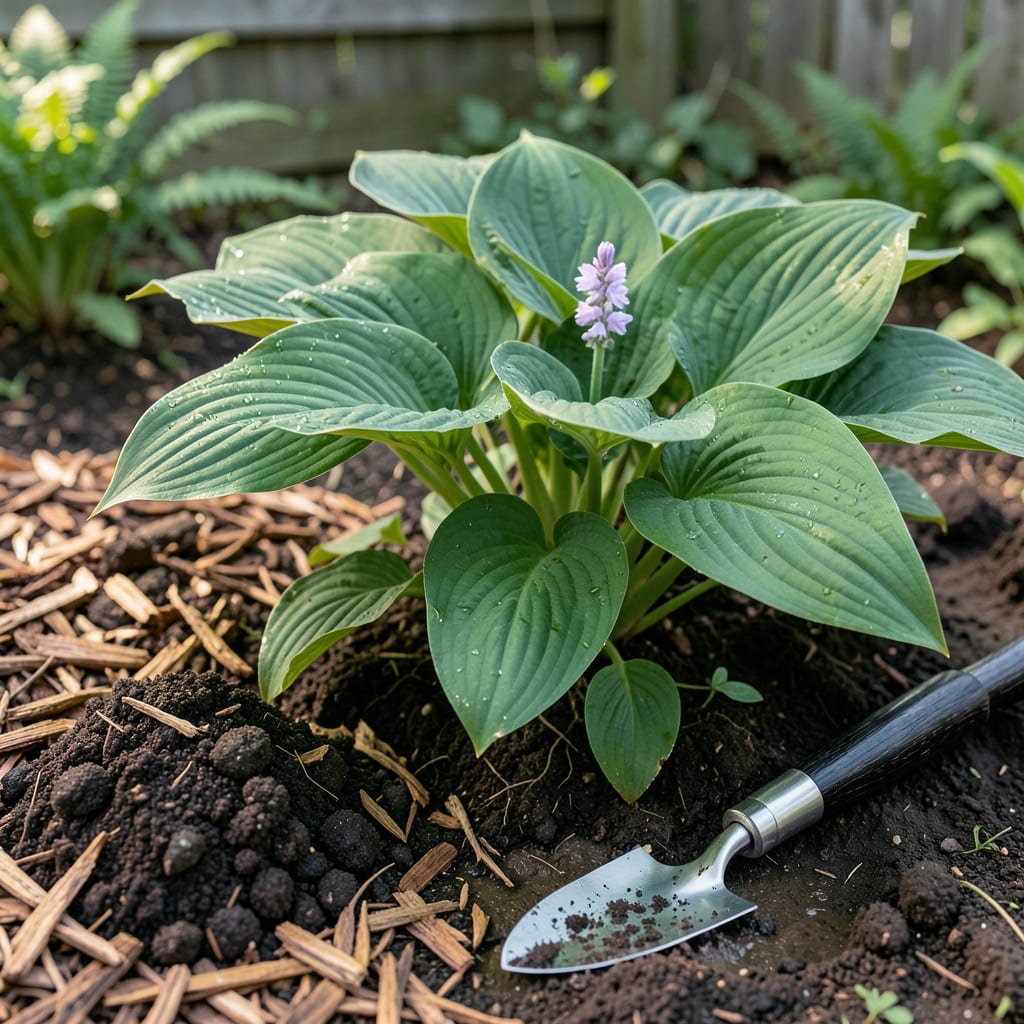
If you’ve ever watched your hostas struggle through North Carolina’s unpredictable swings—sweltering summers or surprise late frosts—you know timing isn’t just important, it’s everything. That lush, vibrant foliage you dream of? It starts with planting at the right moment for your exact corner of NC.
Whether you’re in the Piedmont’s clay-heavy soil or the Coastal Plain’s sandy stretches, I’ll break down the ideal windows (hint: spring and fall aren’t equal here) and how to dodge the mistakes that leave hostas gasping. No more guessing—just a foolproof plan tailored to your zone.
If you’re planting hostas in NC’s Piedmont, timing is your secret weapon. This region’s USDA zones 7a-8a give us two golden windows: early spring (March to April) and early fall (September to October). I’ve found spring planting lets hostas establish roots before summer heat hits.
The key is soil temperature—aim for 50°F or warmer. In Raleigh or Charlotte, our last frost date hovers around April 15, so I start planting bare-root hostas in late March if the ground isn’t frozen. Fall planting? Get them in the ground 6 weeks before first frost (usually by mid-October).
| Season | Ideal Months | Soil Temp | Key Tip |
|---|---|---|---|
| Spring | March–April | 50°F+ | Plant after last frost; mulch to retain moisture. |
| Fall | September–October | 55°F+ | Water deeply until ground freezes; avoid late-November planting. |
💡 Pro Tip: In urban heat islands (like downtown Raleigh), plant in partial shade to avoid leaf scorch. Test soil moisture weekly—hostas hate soggy roots!
I always avoid summer planting in the Piedmont. Why? Our July-August heat stresses new hostas, and they’ll struggle to establish roots. If you must plant in summer, choose shaded spots and water daily for the first month. Trust me, it’s not worth the risk.
For soil prep, I mix 2–3 inches of compost into the top 6 inches of soil. Hostas thrive in well-draining, organic-rich soil with a pH of 6.0–7.5. If your soil is clay-heavy (common in Piedmont), add pine bark fines to improve drainage. A quick soil test from the NC Cooperative Extension can save you headaches later.
Here’s a trick I swear by: Plant hostas in the evening or on a cloudy day to reduce transplant shock. Water them immediately after planting and add a 2–3 inch layer of mulch (shredded bark works great). This keeps roots cool and retains moisture—critical for Piedmont’s humid but drought-prone summers.
If you’re in the western Piedmont (near Winston-Salem), watch for cooler microclimates. Your planting window might shift a week later than Raleigh. I’ve seen hostas planted too early in Zone 7a get zapped by a late frost. When in doubt, check your local frost dates and wait until soil is workable.
For container-grown hostas, you’ve got more flexibility. I start them in pots in early March and transplant to the ground by mid-April. This gives them a head start. Just harden them off for a week first—Piedmont springs can be unpredictable with those late cold snaps!
Remember, fall-planted hostas need extra TLC. I water them weekly until the ground freezes, even if it rains. This encourages root growth before winter. A thick mulch layer (3–4 inches) protects roots from temperature swings. Come spring, they’ll reward you with bigger, healthier leaves.
Lastly, don’t overlook variety selection. In the Piedmont, I recommend ‘Halcyon’ (slug-resistant), ‘Francee’ (heat-tolerant), or ‘Patriot’ (great for partial sun). These thrive in our climate and bounce back from summer stress better than finicky varieties. Happy planting! 🌿
Planting hostas in Coastal NC (zones 8a-9a) means battling sandy soil and relentless humidity. The rules change here compared to the Piedmont—your planting windows shift earlier in spring and demand extra care in fall. I’ve learned the hard way that timing is everything when dealing with our coastal climate.
In Wilmington or the Outer Banks, I plant hostas as early as February to March—well before Piedmont gardeners dare to dig. Our mild winters and earlier last frost (around March 15) give us a head start. But don’t get cocky: a surprise late freeze can still happen, so keep frost cloth handy for new plantings.
| Factor | Coastal NC (Zone 8a-9a) | Piedmont (Zone 7a-8a) |
|---|---|---|
| Spring Planting | Feb–March | March–April |
| Fall Planting | Oct–Nov | Sept–Oct |
| Soil Challenge | Sandy, drains fast | Clay-heavy, drains slow |
| Mulch Need | 3–4″ (extra for moisture) | 2–3″ (standard) |
💡 Coastal Tip: Our salt spray near shorelines means rinsing leaves monthly with fresh water to prevent burn.
Fall planting here stretches into November—our first frost doesn’t hit until November 15 in Zone 8b. But don’t push it: I stop planting by early November to give roots time to establish. The key? Double the mulch (4 inches of pine straw) to insulate roots from our wild temperature swings.
Our sandy soil drains too fast for hostas’ liking, so I amend planting holes with 50% compost and peat moss. For containers, I use a mix of potting soil, perlite, and worm castings—it holds moisture without waterlogging. Watering is critical: daily for the first week, then taper to 3x weekly unless rain helps.
Coastal hostas face two big threats: slugs (thanks, humidity!) and leaf scorch from reflected sunlight. I combat slugs with beer traps or iron phosphate bait. For scorch, I plant hostas where they get morning sun only—our afternoon UV index can fry leaves by July.
Variety matters here. I swear by ‘Blue Angel’ (handles heat), ‘Guacamole’ (slug-resistant), and ‘Paradise Island’ (salt-tolerant for near-coast gardens). Avoid varieties with thin leaves—they crisp up in our summer heat waves. Stick to thick-leaved, blue-green hostas for best results.
One final trick: Raise your hostas in coastal areas. Planting on a slight mound (6–8 inches high) improves drainage in our flat, wet terrain. Pair this with drip irrigation to keep water off leaves—our humidity makes fungal diseases a constant risk. Do this right, and you’ll have hostas that thrive where others wilt! 🌿
Even experienced gardeners can sabotage their hostas in NC by making these common blunders. I’ve seen firsthand how poor timing or ignoring soil prep turns a promising hosta bed into a sad, wilted mess. Let’s tackle the top five mistakes so your hostas thrive, not just survive.
The biggest error? Planting too late in spring. In NC, waiting until May or June means your hostas will struggle to establish roots before our brutal summer heat hits. I always aim for March–April in the Piedmont or February–March on the coast to give roots time to settle in.
💡 Pro Tip: In humid zones, elevate hostas on a slight mound to improve drainage and reduce fungal risks.
Another costly mistake is ignoring soil pH. Hostas perform best in slightly acidic to neutral soil (6.0–7.5 pH). I’ve tested soil in my Raleigh garden and found spots as low as 5.2 pH—way too acidic! A simple $10 soil test from your local extension office saves guesswork.
If your soil is off, amend it before planting. For acidic soil, add garden lime; for alkaline soil, mix in elemental sulfur. In coastal areas, our sandy soil often lacks nutrients, so I work in 50% compost to give hostas a fighting chance. Don’t skip this step—poor soil = weak hostas!
Skipping mulch is another error I see often. Mulch isn’t just for looks—it’s your hostas’ lifeline in NC’s climate. In the Piedmont, I use 2–3 inches of shredded bark to retain moisture and regulate soil temp. On the coast, I bump it to 4 inches because sandy soil dries out faster. Mulch also suppresses weeds that compete for nutrients.
Finally, overcrowding hostas is a recipe for disaster. I’ve seen gardeners pack hostas too closely, thinking they’ll fill in fast. Wrong! Crowded hostas have poor airflow, which invites fungal diseases in our humid climate. Follow spacing guidelines: 18 inches for small varieties, up to 36 inches for giants like ‘Empress Wu.’
By avoiding these mistakes, you’ll set your hostas up for success. Remember, the key to lush, vibrant hostas in NC is timing, soil prep, and smart planting practices. Now get out there and plant with confidence! 🌿
Both seasons work, but fall planting often gives hostas a head start. In NC’s Piedmont, I prefer September–October because cooler temps reduce transplant shock. Coastal gardeners can plant through November—just mulch heavily before winter.
Test soil temperature first—it should be at least 50°F. Then check moisture: squeeze a handful. If it crumbles but holds shape briefly, it’s perfect. In clay-heavy Piedmont soil, work in 2–3 inches of compost before planting.
It’s risky in NC’s heat, but possible with extra care. Choose shaded spots and water daily for the first month. Coastal gardeners have slightly more flexibility—just avoid July’s peak heat and use mulch to retain moisture.
Planting too late in spring! Waiting until May or June means roots won’t establish before summer stress. I’ve seen entire beds struggle from this timing error. Always aim for March–April in Piedmont or February–March on the coast.
Coastal hostas need extra mulch (4 inches) and salt-tolerant varieties like ‘Paradise Island’. Piedmont gardeners should focus on improving clay soil drainage. Both regions benefit from morning-only sun to prevent leaf scorch.
