
Beautiful Plants For Your Interior
Beautiful Plants For Your Interior
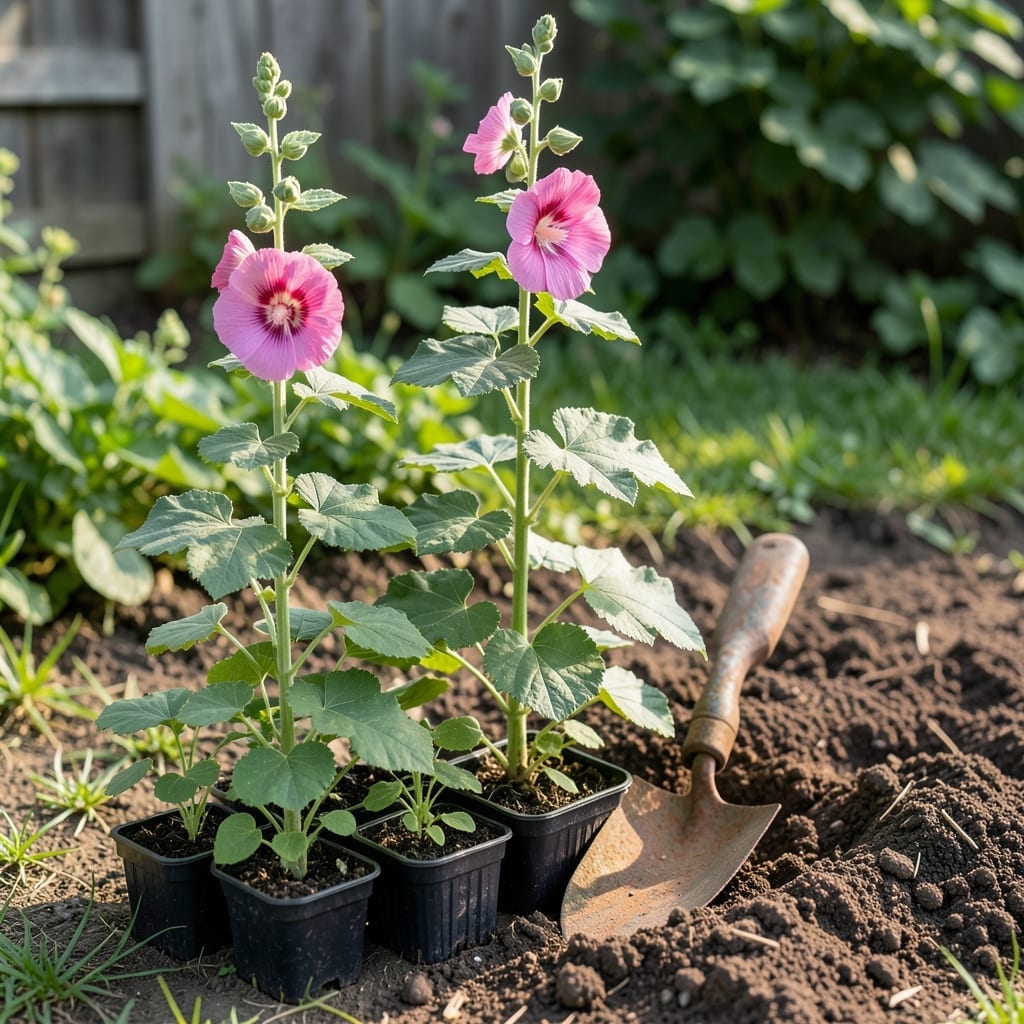
Timing is everything when planting Hollyhock seedlings—get it right, and you’ll be rewarded with towering, vibrant 🌸 blooms that become the star of your garden.
Plant too early or too late, and you risk stunted growth or no flowers at all. The good news? With the right timing, your garden can flourish like never before.
Discover the best seasonal windows and simple tips to ensure your seedlings thrive from the start.
I’ve found that Hollyhock seedlings thrive best when planted at the right time, and timing depends heavily on your USDA zone and local climate. These tall, majestic flowers prefer warmer soil and can’t handle frost, so waiting until the danger of frost has passed is key.
For most gardeners in zones 5-9, the ideal window is April to May for spring planting, or August to September for a fall start. This ensures your seedlings have enough time to establish strong roots before extreme temperatures hit.
| Stage | Action |
|---|---|
| Spring Planting | Plant after last frost date |
| Fall Planting | Plant 6-8 weeks before first frost |
| Soil Temp | Minimum 60°F for germination |
| USDA Zones | Best in 5-9, adjust for microclimates |
In cooler climates, I recommend starting seeds indoors 6-8 weeks before the last frost date. This gives your Hollyhocks a head start. Transplant the seedlings outdoors only after the soil has warmed to at least 60°F.
If you’re in a warmer region, you can direct sow seeds in early spring or late summer. Just remember that Hollyhocks need full sun and well-draining soil to prevent root rot, so choose your planting spot wisely.
For fall planting, aim to get seedlings in the ground 6-8 weeks before the first frost. This allows them to develop a strong root system before winter dormancy. Mulch heavily to protect them from early cold snaps.
I always check my local frost dates to fine-tune planting times. In my experience, Hollyhocks planted too early in cold soil often struggle, while those planted too late may not establish well before winter.
Once planted, keep the soil consistently moist but not soggy. Overwatering is a common mistake that can lead to fungal diseases. A deep watering once a week is usually sufficient once established.
Don’t forget that Hollyhocks are biennials, meaning they often bloom in their second year. If you plant in spring, you may see flowers by late summer, but fall-planted seedlings will typically bloom the following year.
Finally, consider your garden’s microclimates. South-facing walls or raised beds warm up faster in spring, which can give your seedlings an extra boost. I’ve seen Hollyhocks thrive in these spots even when planted slightly earlier than recommended. ☀️
I always start by preparing the soil thoroughly before planting my Hollyhock seedlings. These beauties need well-draining soil enriched with compost to support their tall growth. Loosen the soil to 12-18 inches deep for best results.
When it comes to spacing, I give each seedling 2-3 feet of room. Hollyhocks grow tall, and proper spacing ensures good air circulation, reducing the risk of fungal diseases. Plant them at the same depth they were in their nursery containers.
🌱 Pro Tip: Water seedlings deeply after planting, then add a 2-inch mulch layer to retain moisture and suppress weeds. This gives your hollyhocks the best start!
For watering, I follow a simple rule: deep watering once a week is better than frequent shallow watering. This encourages deep root growth. In hotter climates, you might need to water twice weekly during peak summer.
Hollyhocks thrive in full sun, so choose a spot that gets at least 6-8 hours of direct sunlight daily. If you’re in a particularly hot region, some afternoon shade can help prevent scorching of the leaves.
After planting, I monitor my seedlings closely for the first 2-3 weeks. This is when they’re most vulnerable. If I notice any wilting, I check the soil moisture and adjust my watering schedule accordingly.
☀️