
Beautiful Plants For Your Interior
Beautiful Plants For Your Interior
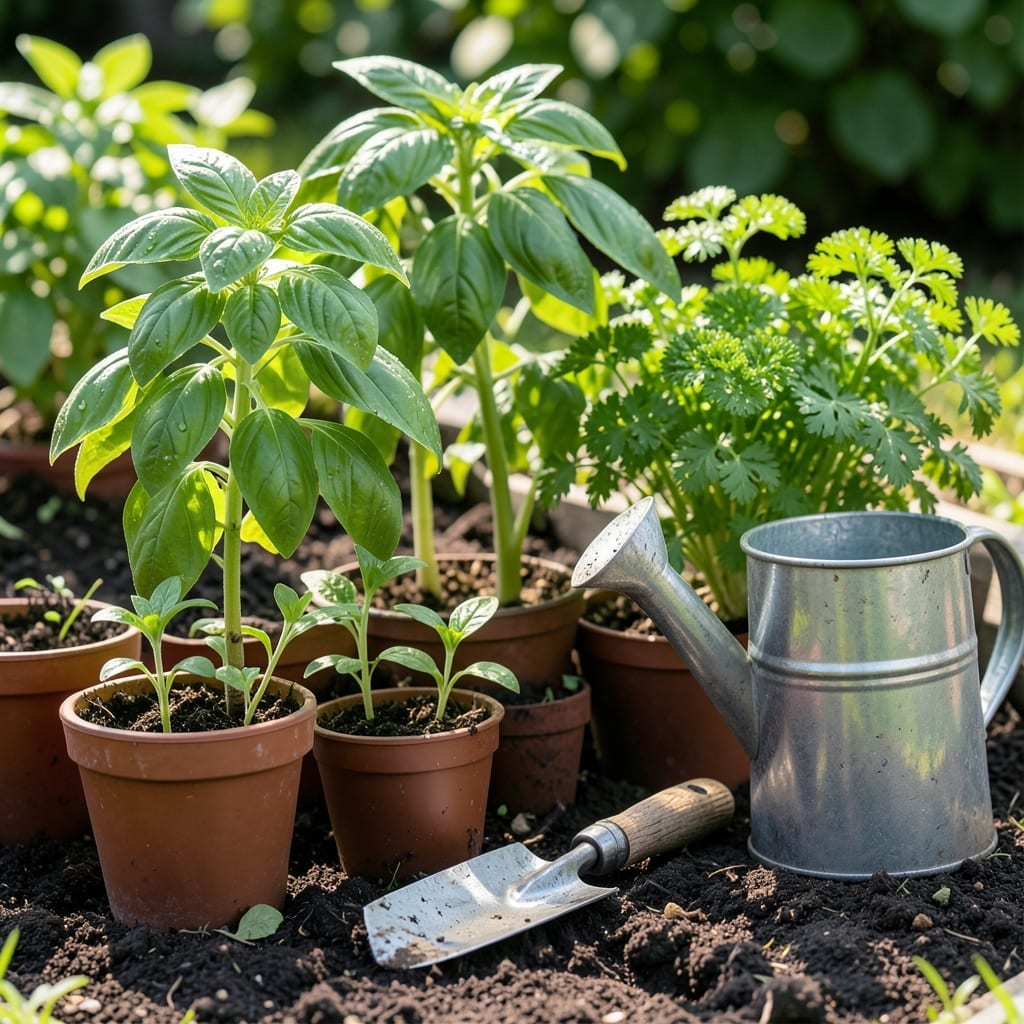
Timing is everything when planting Herbs in Pennsylvania. Plant too early, and frost can kill your seedlings. Too late, and you’ll miss the peak growing season.
I’ve learned the hard way that spring here in zones 6a-7b demands precision. The 🌿 Herbs you love need the right conditions to thrive, and that starts with knowing your local climate.
This guide breaks down the exact schedule for PA’s unique weather patterns. Whether you’re a beginner or a seasoned gardener, these insights will help you avoid common pitfalls.
Let me show you how to get it right the first time. With the right timing, you’ll be harvesting fresh Herbs from June through October.
Pennsylvania spans USDA zones 5-7, each with unique frost dates that impact herb planting. In zone 5, the last frost typically hits around May 15, while zone 7 sees it earlier, near April 10. These dates are your starting line for tender herbs.
For perennial herbs like thyme or oregano, you can plant as soon as the soil is workable in early spring. But annual herbs like basil need warmer soil, so wait until after the last frost.
| Herb Type | Zone 5 Planting | Zone 6 Planting | Zone 7 Planting |
|---|---|---|---|
| Perennial Herbs | Early April | Late March | Mid-March |
| Annual Herbs | Mid-May | Early May | Late April |
| Biennial Herbs | Late April | Early April | Late March |
In zone 5, I recommend starting basil and cilantro indoors 6-8 weeks before the last frost. This gives them a head start for Pennsylvania’s shorter growing season. Transplant them outdoors after the soil warms to 60°F.
For zone 6, rosemary and sage can go in the ground in early May. These woody herbs tolerate cooler nights better than tender varieties. Always check the 10-day forecast for late frosts.
Zone 7 gardeners get a longer season. I plant dill and parsley in late March for early harvests. These cool-season herbs thrive in Pennsylvania’s mild springs and can handle light frosts.
Soil temperature is critical for germination. Use a soil thermometer to confirm it’s at least 50°F for most herbs. Lavender and thyme prefer even warmer soil, around 60°F, for best results.
Don’t forget succession planting for continuous harvests. I sow cilantro every 3-4 weeks until late summer. This ensures a steady supply as Pennsylvania’s seasons change.
Microclimates matter in PA. South-facing slopes warm up faster, while low-lying areas stay cooler. Adjust your planting dates based on your garden’s specific conditions.
Finally, always harden off seedlings before transplanting. I set mine outside for a few hours each day, increasing exposure over a week. This prevents shock and ensures strong growth in Pennsylvania’s variable spring weather. 🌱
Pennsylvania’s climate is perfect for growing a diverse herb garden. I’ve found that basil, thyme, rosemary, and cilantro thrive here with the right care. Each has unique needs for sunlight, water, and soil conditions.
For example, basil loves full sun and moist soil, while rosemary prefers drier conditions and can tolerate partial shade. Matching herbs to their ideal environment ensures a healthy harvest. 🌿
I always start basil and cilantro indoors in early spring to protect them from late frosts. These tender herbs need warm soil to germinate, so transplant them after the last frost date.
Thyme and oregano are my go-to perennial herbs for Pennsylvania. They’re hardy, drought-resistant, and come back year after year with minimal care. Just ensure they have well-draining soil.
For rosemary, I recommend planting in containers in colder zones. This allows you to move it indoors during winter. It thrives in full sun and needs infrequent watering once established.
Mint is another favorite, but it can be invasive. I plant it in pots to control its spread. It grows well in partial shade and prefers consistently moist soil.
By selecting the right herbs for your garden’s conditions, you’ll enjoy a bountiful harvest all season long. 🌱