
Beautiful Plants For Your Interior
Beautiful Plants For Your Interior
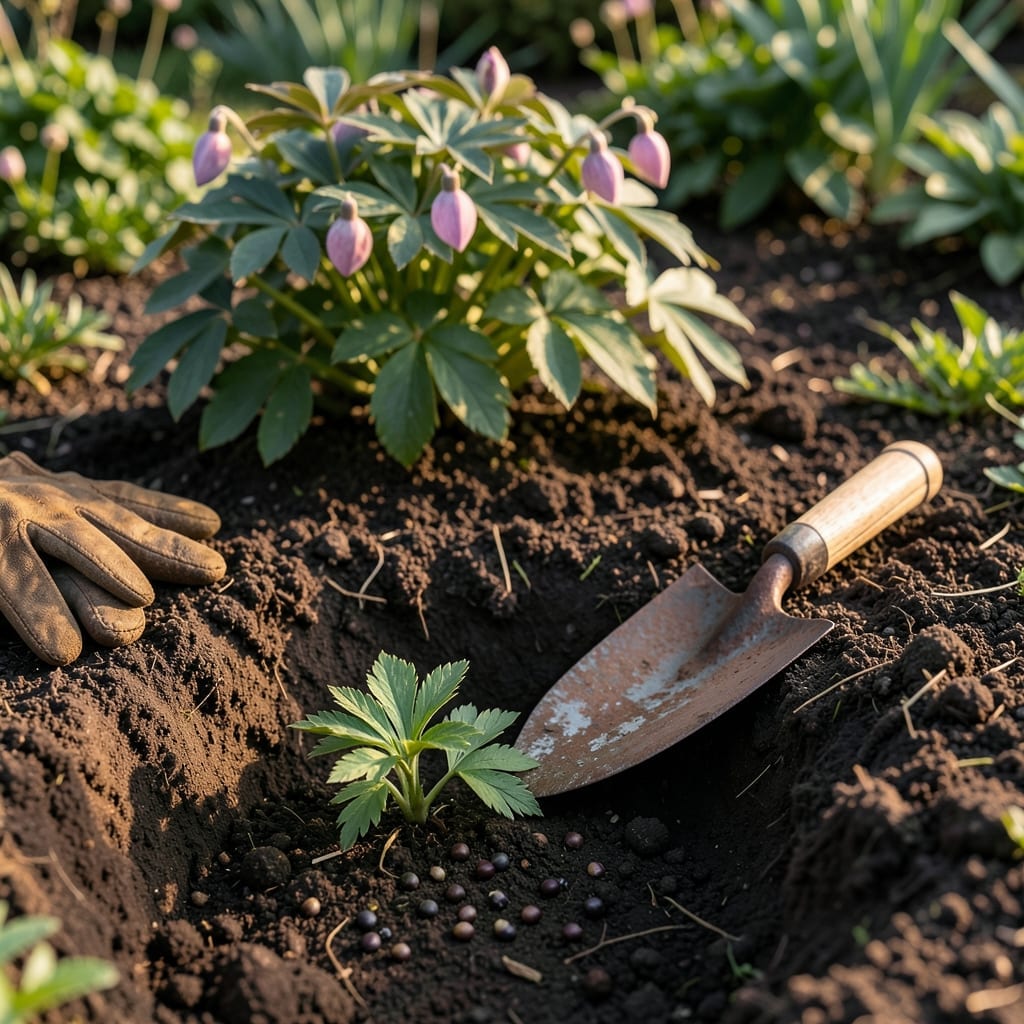
Timing is everything when it comes to planting Hellebore 🌸. These shade-loving perennials reward patience with stunning winter blooms.
Plant them at the right moment, and you’ll enjoy their elegant flowers year after year with minimal effort. The key is working with nature’s rhythm, not against it.
Discover the most important windows for planting in your zone, and watch your garden transform with easier care and more beautiful results.
I’ve found that fall planting gives helleborus niger the best start. The cool soil encourages root establishment before winter dormancy. This timing allows plants to settle in and prepare for their famous winter blooms.
For most gardeners in USDA zones 6-9, September through October is ideal. The soil remains warm enough for root growth while the air temperature cools, reducing stress on new plantings.
| header-cell” style=”background-color: #6fd544;”>Ideal Conditions | Early Fall (September) | 60-70°F soil, moist conditions | Zones 6-9 | |
| Late Fall (October) | 50-60°F soil, before first frost | Zones 4-8 | ||
| Early Spring (March-April) | 50°F+ soil, after last frost | Zones 3-7 |
In colder climates like zone 5, I recommend planting 4-6 weeks before the first hard frost. This gives roots time to establish before the ground freezes. mulch heavily after planting for winter protection.
Spring planting works but requires more attention. I wait until soil is workable and temperatures consistently stay above 40°F at night. The plants may need extra watering during their first summer.
For container-grown hellebores, you can plant anytime the ground isn’t frozen. I’ve had success with February plantings in mild winters, but fall remains my preferred time for most reliable results.
The soil temperature is more important than air temperature. I use a soil thermometer to check – 50-60°F is perfect for fall planting. This ensures active root growth without heat stress.
In warmer zones like 9-10, November planting can work well. The key is avoiding periods of extreme heat or drought. I always amend the soil with compost for better moisture retention.
Remember that Lenten roses prefer partial shade. I choose spots with morning sun and afternoon shade, especially in warmer climates. This protects the plants from harsh afternoon heat.
After planting, I water deeply and add a 2-3 inch mulch layer. This conserves moisture and insulates roots. The plants reward this care with blooms that often appear in late winter.
🌸I always start by preparing the soil before planting hellebores. These perennials thrive in well-draining soil enriched with organic compost. I work the amendments into the top 12-18 inches of soil for best results.
For fall planting, I dig holes twice as wide as the root ball but no deeper. This gives roots room to spread while keeping the crown slightly above soil level to prevent rot.
When spring planting, I adjust my approach slightly. I wait until soil temperatures reach at least 50°F and all danger of frost has passed. The planting depth remains the same, but I’m more vigilant about watering.
For container planting, I choose pots with drainage holes and use a high-quality potting mix. Hellebores in containers need more frequent watering, especially during dry spells.
After planting, I always monitor soil moisture for the first few weeks. Hellebores prefer consistently moist but not waterlogged soil. I check by sticking my finger 1 inch into the soil.
In warmer climates, I plant hellebores in full shade to protect them from afternoon sun. In cooler areas, they can handle morning sun with afternoon shade, which often produces more blooms.
🌸